South Dakota Stores Wind in Carbon Blocks to Power Ethanol
A groundbreaking thermal energy storage system in Big Stone City, South Dakota, is turning wasted wind power into heat stored in carbon blocks, powering an ethanol plant and pioneering a new way to capture renewable energy. This first-of-its-kind commercial facility proves clean energy can be stored cheaply and used when needed most.
Excess wind energy that used to disappear into thin air is now being captured and stored as heat in a small South Dakota city, proving that renewable power doesn't have to be wasted.
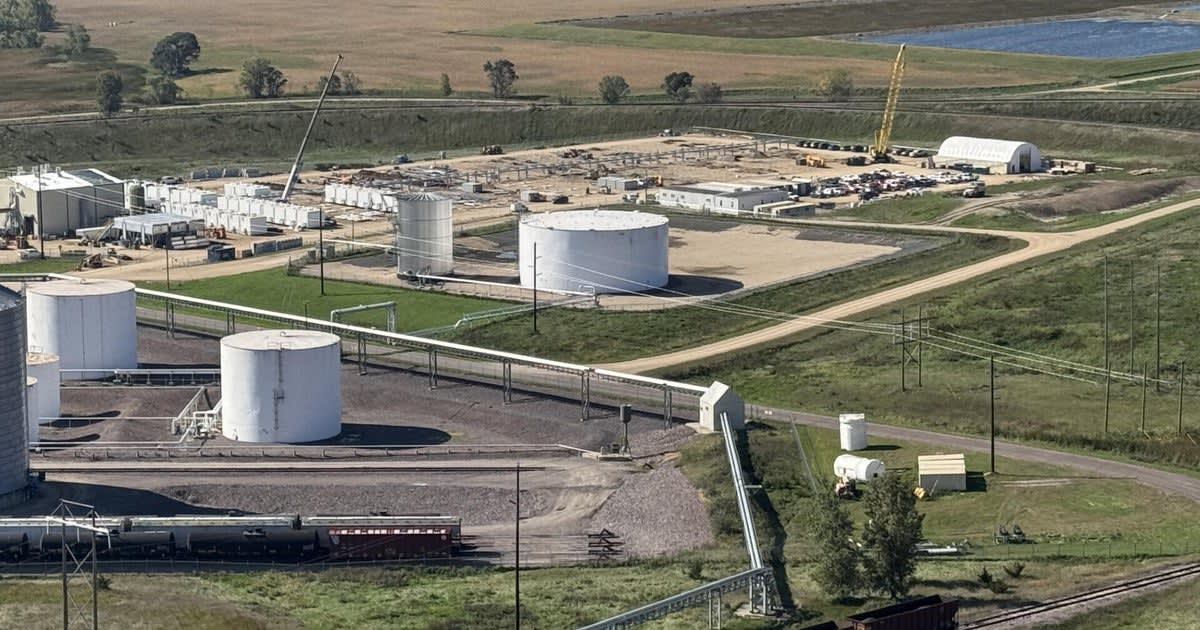
POET, the world's largest ethanol producer, partnered with California-based Antora Energy to build a 5 gigawatt-hour thermal storage facility next to their Big Stone City plant. The system captures surplus wind energy from nearby turbines and stores it in solid carbon blocks heated to 4,000 degrees Fahrenheit.
Think of it like a giant toaster. Wind turbines send electricity to heat up carbon blocks, which hold that energy as heat until the ethanol plant needs it. The stored heat transfers into oil, which creates steam to power the machinery that produces 92 million gallons of ethanol every year.
Construction took less than a year and created 300 jobs across South Dakota and California. The facility is already powering POET's operations and will be fully online by October.
Jeff Lautt, POET's president and chief operating officer, explains the beauty of the system. "They're taking excess wind energy that doesn't have a home on the grid and otherwise would be wasted, and they're capturing that," he said. The wind blows whenever it wants, but this technology means that power can be saved for when people actually need it.
Unlike lithium batteries that store electricity for just a few hours, thermal storage holds energy as heat for much longer periods. The facility uses very little water and produces no substantial emissions.
The Ripple Effect
South Dakota corn farmers will see expanded markets as the ethanol plant increases efficiency and output. Consumers might eventually pay less at the gas pump as production costs drop. The region reduces its reliance on fossil fuels while keeping the power grid stable during peak demand.
Andrew Ponec, Antora's CEO, said Big Stone City was chosen because it sits at a major hub on the regional power grid, with both the POET plant and Otter Trail Power Co. already on site. "We're an energy technology company, so we're going to go to wherever there are big concentrations of energy users," he explained.
The project received bipartisan support from South Dakota's congressional delegation, who celebrated the economic boost and job creation. Senator Mike Rounds noted that capturing homegrown energy strengthens domestic production while meeting America's rising energy needs.
This is Antora's first large-scale commercial thermal storage system, funded mostly through private investment. If it succeeds, the technology could spread across the country and the world, giving renewable energy a practical way to compete with fossil fuels around the clock.
Wind doesn't blow on command, but now it doesn't have to.
Based on reporting by Google News - Wind Energy
This story was written by BrightWire based on verified news reports.
Spread the positivity!
Share this good news with someone who needs it