Bengaluru Mom Breaks Mental Health Stigma for Her Son
When academic pressure triggered severe anxiety in her teenage son, a Bengaluru mother chose professional help over silence. Seven years later, her decision shows why mental health deserves the same care as physical illness. ##
A mother in Bengaluru watched her bright student son unravel during exam preparation. Sleepless nights turned into irritability, and small setbacks felt catastrophic.
She knew something was wrong, but like many Indian parents, she faced an invisible barrier. Nearly 150 million Indians need mental health support, yet stigma keeps families from seeking help.
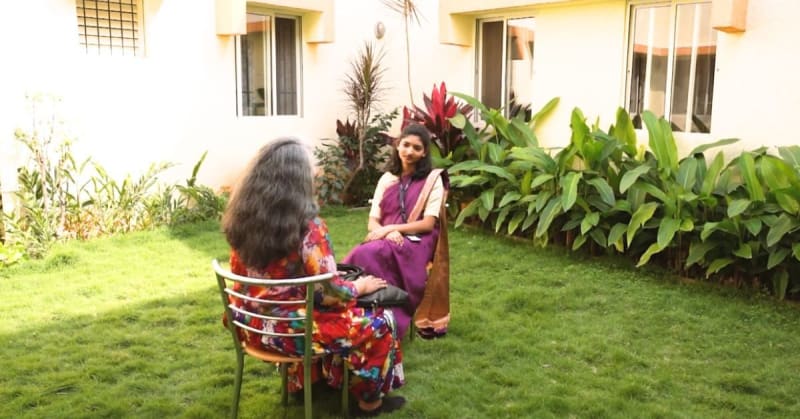
"I didn't come from a background where reaching out was a stigma," the 46-year-old mother says. "But as a non-professional, there was only so much I could do."
The night they finally sought care at Cadabams, a Bengaluru mental health organization, she arrived exhausted and afraid. Would her son be judged? Would this define his future?
Instead, she found calm. Her son began structured therapy, clinical evaluation, and consistent follow-ups. The healing was gradual, not dramatic.
"This isn't like a fever that passes overnight," she explains. "It's a condition, and healing takes patience and time."
Seven years later, her son is stable and rebuilding his life. Her message to other parents is simple: why suffer when solutions exist?
Sandesh Cadabam, Managing Director of Cadabams Group, understands this struggle deeply. "The biggest crisis isn't just the illness; it's the stigma," he says. "People don't know how to seek help or even how to name what they're going through."
Over three decades, Cadabams has built specialized services spanning psychiatric care, addiction recovery, and dementia support. Their philosophy remains straightforward: mental health is an illness, not a moral failing.
The organization also saw another family's struggle when a 77-year-old caregiver developed sudden memory issues and stopped sleeping while caring for her husband with Parkinson's disease. Living far from her children, she needed immediate support.
Both families discovered what many Indians still fear acknowledging: seeking psychiatric care is not weakness. It is survival.
Why This Inspires
These stories challenge deep cultural beliefs about mental health. In homes across India, emotional distress is dismissed as a phase or personal weakness. Parents blame themselves. Individuals hide their pain.
But this mother's courage created a ripple effect. By choosing treatment over silence, she gave her son seven years of stability and growth. Her openness now helps other families see that recovery is possible.
"If you are okay, everyone around you will be okay too," she says. Recovery isn't just individual; it transforms entire families.
Her question echoes beyond Bengaluru: In a country where millions suffer silently, how many lives could change with one brave decision?
##
More Images
%2Fenglish-betterindia%2Fmedia%2Fmedia_files%2F2026%2F03%2F02%2Fcadabams-hospital-2026-03-02-10-24-57.jpg)
%2Ffilters%3Aformat(webp)%2Fenglish-betterindia%2Fmedia%2Fmedia_files%2F2026%2F03%2F02%2Fcadabams-hospital-2026-03-02-10-26-23.jpg)
%2Ffilters%3Aformat(webp)%2Fenglish-betterindia%2Fmedia%2Fmedia_files%2F2026%2F03%2F02%2Fcadabams-hospital-2026-03-02-10-27-48.jpg)
Based on reporting by The Better India
This story was written by BrightWire based on verified news reports.
Spread the positivity!
Share this good news with someone who needs it