Kansas Volunteers Map Bumble Bees to Save At-Risk Species
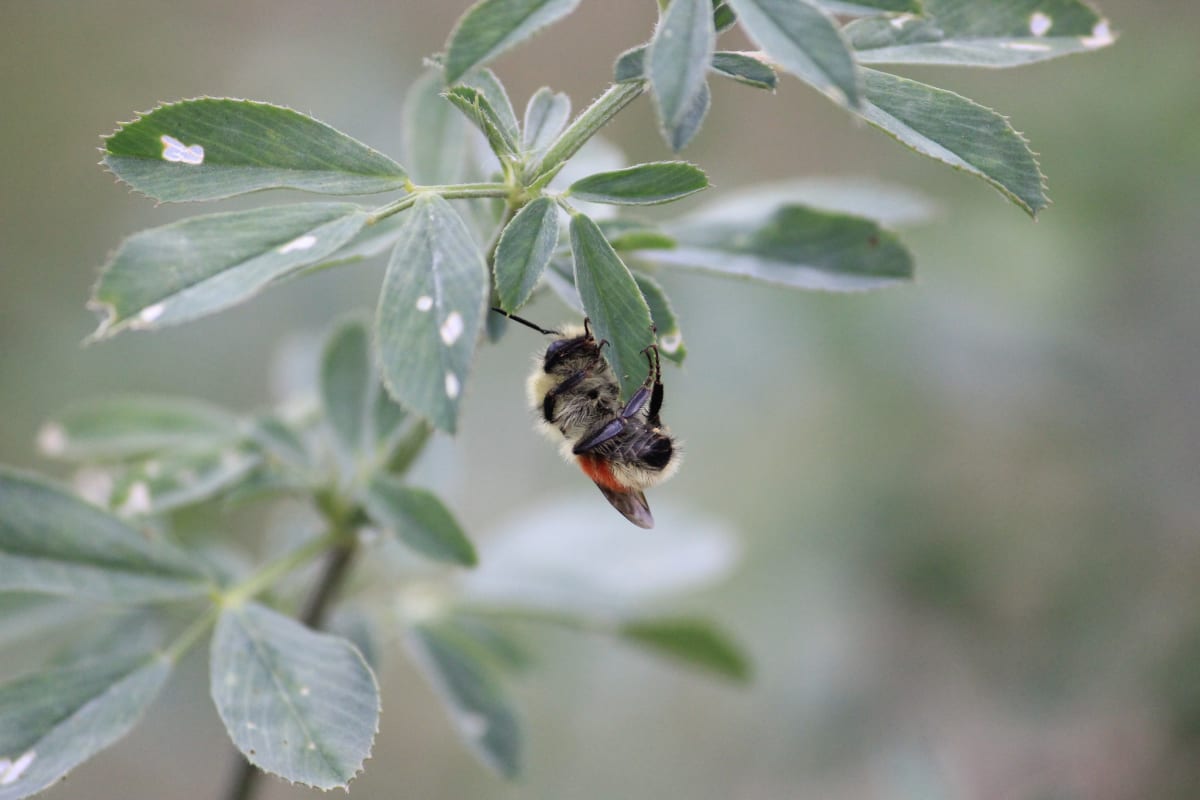
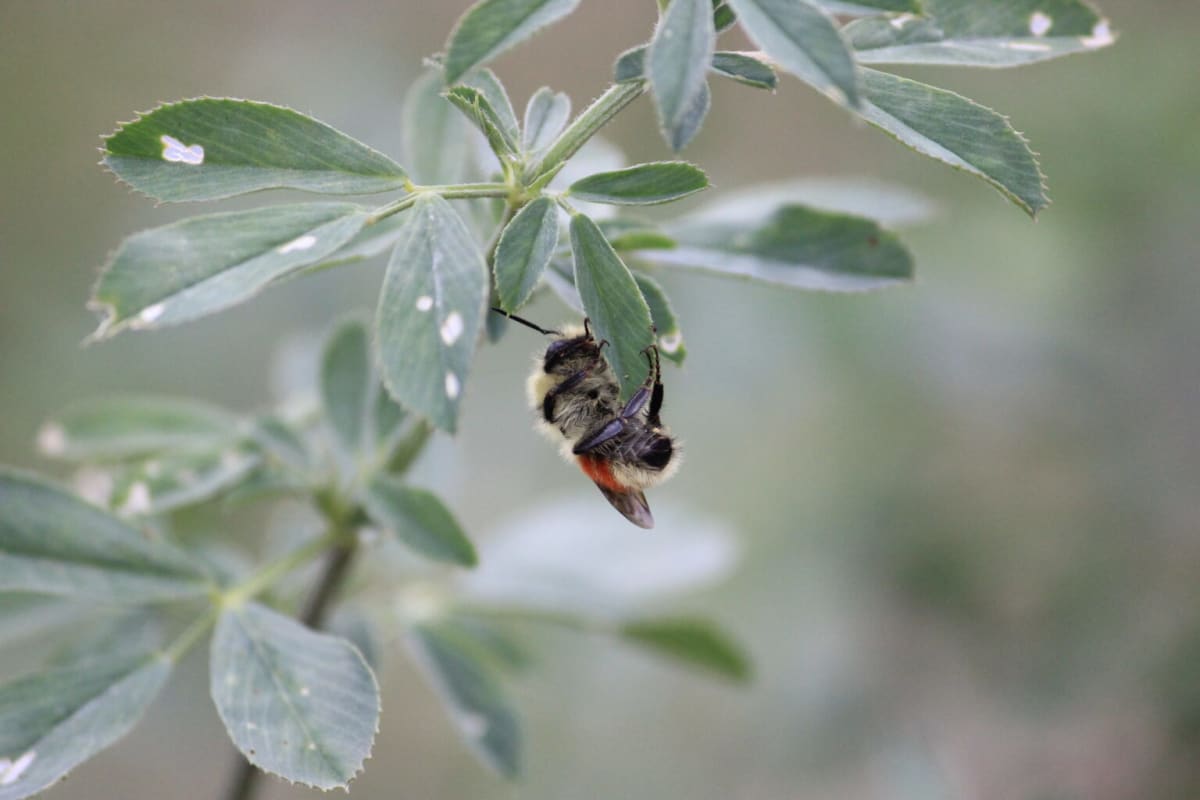
Everyday Kansans are helping scientists track six bumble bee species across the Great Plains, including two facing extinction. Since 2022, volunteers have logged over 2,300 bees and are now expanding efforts to remote western prairies.
Volunteers across Kansas are rolling up their sleeves this summer to help save bumble bees, and the only requirements are a free weekend and curiosity about pollinators.
The Great Plains Bumble Bee Atlas needs citizen scientists to survey prairie land, especially in remote western Kansas where data is sparse. The community science project maps bumble bee habitats, food sources, and populations across Kansas, North Dakota, and South Dakota to guide conservation efforts.
Since launching in 2022, Kansas volunteers have already made remarkable progress. They've identified six bumble bee species (two at risk of extinction), recorded 2,300 individual bees, and completed 263 surveys across the state.
This year's mission focuses on filling gaps in the data. Kansas is divided into a grid, and volunteers are prioritizing areas surveyed fewer than three times in the past three summers to build a complete picture of where these essential pollinators live and what they need to thrive.
"All you need to become a volunteer is an interest in pollinators and the ability to spare a couple of weekends between June and September," said Katie Lamke, a conservation biologist for the Xerces Society. The nonprofit partners with the Kansas Department of Wildlife and Parks to run the project.
Free training sessions happen this month both online and in person. In-person workshops take place June 6 at Tallgrass Prairie National Preserve in Strong City and June 7 at Sandsage Bison Range Wildlife Area in Garden City.
The Ripple Effect
This grassroots mapping effort connects to a larger national movement. The Bumble Bee Atlas now spans 21 states, creating the most comprehensive database of bumble bee populations ever assembled.
The information volunteers gather helps scientists understand which habitats and plants bumble bees depend on throughout the region. That knowledge directly informs conservation strategies to protect species sliding toward extinction.
Diedre Kramer, wildlife diversity coordinator for the Kansas Department of Wildlife and Parks, sees the project as a win-win. Volunteers get to explore Kansas' wild spaces while contributing real scientific value to conservation efforts.
The atlas will continue in Kansas for at least two more years, giving more people the chance to make a difference. Registration for training sessions is open now at BumbleBeeAtlas.org/pages/events.
Sometimes saving a species starts with ordinary people spending a few summer weekends counting bees.
More Images

Based on reporting by Google: volunteers help
This story was written by BrightWire based on verified news reports.
Spread the positivity!
Share this good news with someone who needs it