Bengaluru Startup Solves Drone's Biggest Problem
Drones can fly for miles on their own, but they still need humans to swap batteries between flights. A Bengaluru company just made that final human step obsolete. #
Drones can navigate obstacles, survey farmland, and inspect pipelines without human help. But when the battery dies, someone still has to walk over and plug it in. That gap between flights is the last barrier to truly autonomous drone operations.
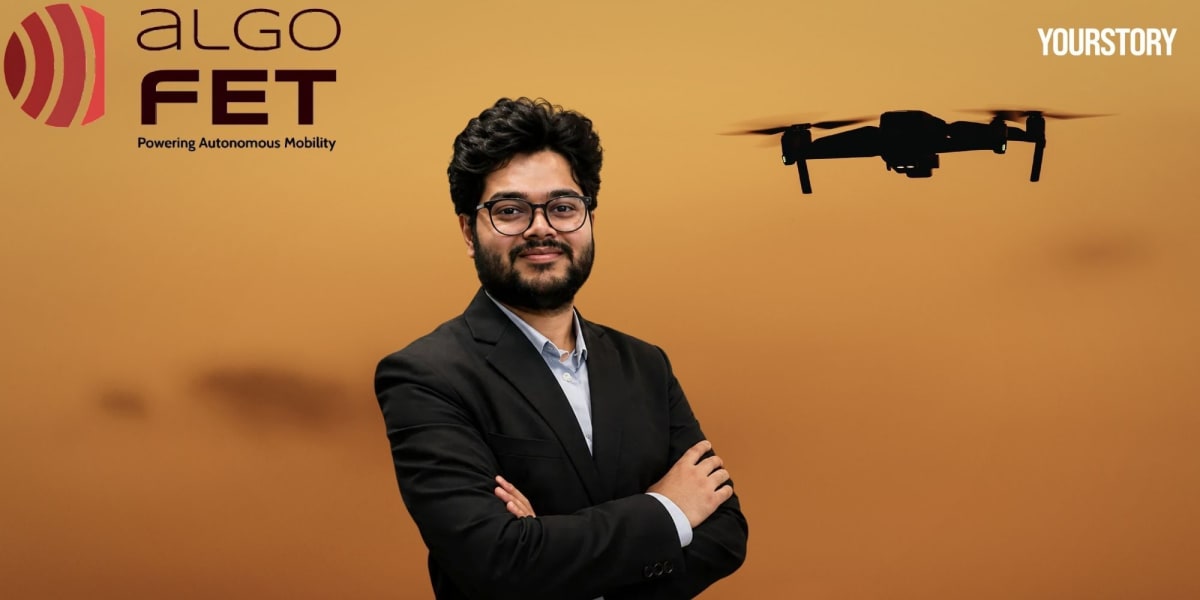
AlgoFET in Bengaluru builds the charging stations that close that gap. Founded by IIT Guwahati graduate Ankit Mishra in December 2023, the company creates docking pads that let drones land, recharge, and take off again without any human touching them.
The technology sounds simple but involves precision engineering at every step. The drone has to land within centimeters of the charging port. The battery has to charge fast without overheating or degrading. The station has to protect the drone from rain and dust while reporting its status to fleet managers miles away.
AlgoFET builds all of it: the landing pad electronics, the battery management software, the charging hardware, and the cloud platform that tracks entire fleets. The company operates from a 12,000-square-foot manufacturing facility in Bengaluru and works with ARTPARK, the robotics research park at the Indian Institute of Science.
The timing matters. India banned finished drone imports in 2022, creating a domestic manufacturing boom almost overnight. Most startups focused on building the aircraft themselves. AlgoFET spotted the gap in ground infrastructure that those drones would need.
The customers are organizations running continuous operations, not one-off flights. The Indian Army uses their stations. So do drone manufacturers who need charging systems to bundle with their aircraft. Agriculture companies monitoring crops and logistics firms tracking deliveries need drones that can run all day without human babysitting.
In August 2024, the company raised 15 crore rupees from Piper Serica to expand manufacturing and develop next-generation products. AlgoFET claims to have deployed more than 2,000 units with an order pipeline exceeding 4,000 more and an order book worth around 100 crore rupees.
Those numbers come from the company itself and have not been independently verified. Company records show ten employees as of April 2024, which would make a 100-crore order book remarkable for a team that size.
The Ripple Effect
Autonomous charging stations do more than save labor. They unlock entirely new ways to use drones. A single operator can now manage dozens of aircraft patrolling borders, inspecting power lines, or watching crops across thousands of acres. What used to require teams of people swapping batteries becomes a fleet you monitor from a screen.
The shift from flying robots to truly autonomous systems happens on the ground, at the moment a drone touches down and powers itself back up without waiting for human hands.
#
More Images




Based on reporting by YourStory India
This story was written by BrightWire based on verified news reports.
Spread the positivity!
Share this good news with someone who needs it