Bengaluru Startup Turns Fruit Waste Into Clean Ingredients
A Bengaluru biotech company is converting agricultural waste into biodegradable alternatives to the petroleum-based plastics hiding in your shampoo and toothpaste. Their breakthrough could help India shift from importing specialty ingredients to exporting them worldwide.
The shampoo in your shower and the floor cleaner under your sink share an invisible problem. Both contain synthetic polymers made from petrochemicals that end up in water systems as microplastics, the tiny particles now found everywhere from ocean floors to human bloodstreams.
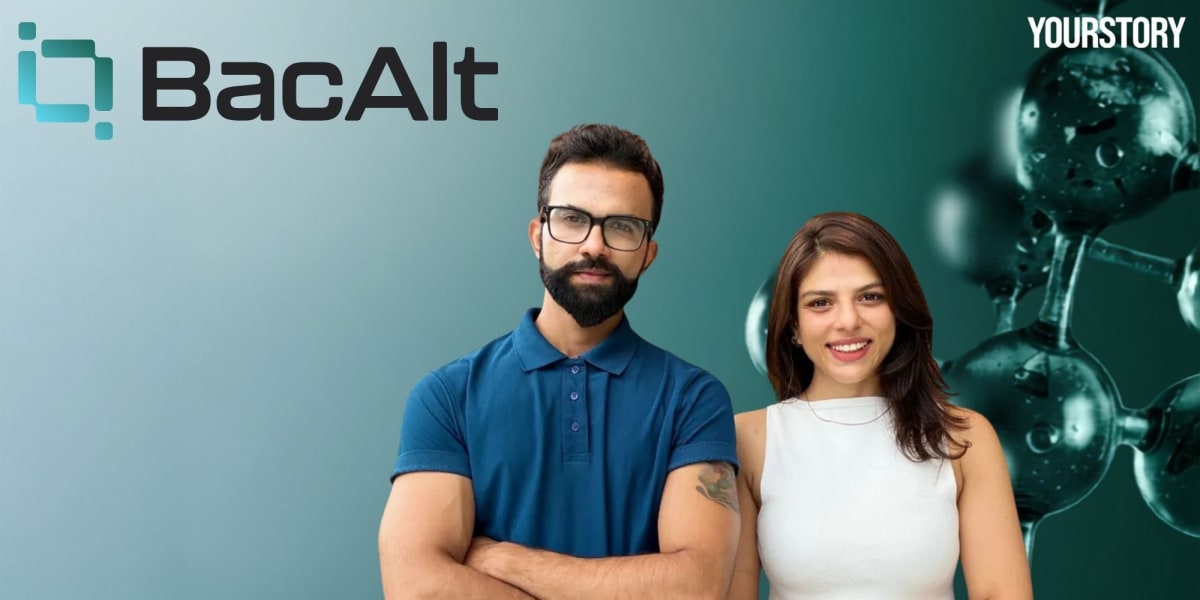
BacAlt Biosciences thinks they've cracked the code on replacing them. The Bengaluru startup, founded in 2023 by biotechnologists Shruti Kutmutia and Pranav Nair, transforms fruit waste and crop residue into clean alternatives that work just as well at similar prices.
The company ferments agricultural waste into two biopolymers: bacterial cellulose and poly-gamma glutamic acid. These natural thickeners and binders can replace up to five synthetic additives with a single biodegradable ingredient called ReRaw.
Here's where it gets clever. Traditional industrial fermentation requires sterilized tanks, which gobble energy and add complexity. BacAlt runs their process non-sterile alongside waste feedstock, slashing costs while giving crop residue a purpose beyond being burned in fields.
The approach caught serious attention. In September 2025, the company raised $2 million from Avaana Capital and Lubrizol InnoVentures, the investment arm of American specialty chemicals giant Lubrizol. That second investor signals something important: people who buy ingredients professionally think this technology works.
The funding targets research, pilot production facilities, and expansion into new markets. BacAlt initially focused on personal care, oral care, and home cleaning products, with plans to move into agrochemicals, pharmaceuticals, textiles, and wound care.
The Ripple Effect
Kutmutia argues that recyclable bottles solve only half the problem. The real microplastic crisis lives in the formulations inside those containers, washing down drains with every use and persisting in ecosystems for decades.
If BacAlt scales successfully, the impact reaches beyond cleaner waterways. India currently imports most specialty chemical ingredients, but waste-to-value biotechnology could flip that equation. The company showcased ReRaw at Bharat Innovates in France this June, seeking international partnerships.
The path forward remains unfinished. BacAlt announced plans for a June 2026 commercial launch that hasn't materialized yet, and no customer orders or revenue figures are public. Early-stage biotech often hits delays between lab success and market reality.
But the fundamentals hold promise: abundant waste feedstock, regulatory pressure on petrochemical additives, corporate investors with distribution networks, and a process designed for cost competitiveness from day one.
Every bottle of shampoo represents a choice about what we wash into the world, and that choice just got a little clearer.
More Images




Based on reporting by YourStory India
This story was written by BrightWire based on verified news reports.
Spread the positivity!
Share this good news with someone who needs it