Berlin Apartments Become Memorials for Holocaust Victims
A grassroots initiative in Germany invites people into the very apartments where Holocaust victims once lived, creating powerful moments of remembrance. Young descendants are discovering their family histories just in time, as the last eyewitnesses pass away.
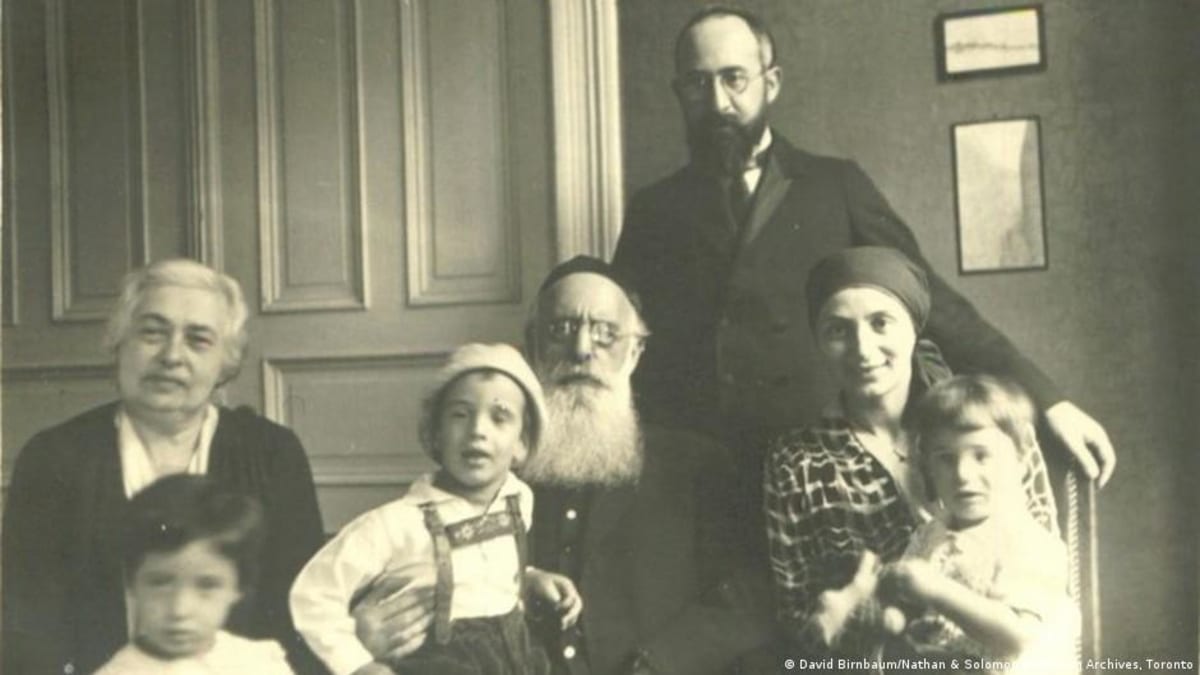
When Marie Rolshoven crosses the threshold of her Berlin apartment, she thinks about the Jewish families who lived there before her and never returned. Since 2007, she's called Rosenheimer Straße 40 home, but she knows nine Jewish residents were forcibly crowded into this space before being deported in 1941.
Rather than let that history fade, Rolshoven turned her apartment into a living memorial. In 2016, she cofounded Denk Mal Am Ort (Memorial at the Site), inviting descendants and community members to remember Holocaust victims in the exact places they once lived.
The initiative has created extraordinary moments of connection. Two floors below Rolshoven's apartment, they tracked down 92-year-old Joel Ludwig Katzenellenbogen, who had escaped Germany as a child in 1939. When he returned in 2018 to visit his childhood home, he pointed to a spot and said, "My brother's bed used to be right here. He was 10 when we had to leave the country."
Claudia Samter traveled from Argentina to visit the apartment where her aunt lived before being murdered by the Nazis. Without a grave to visit, Samter found solace sitting at Rolshoven's kitchen table, talking about her aunt's life. "We laughed a lot and cried, too," Rolshoven says. "It felt good to give this space a new purpose once again."
Why This Inspires
As the last Holocaust survivors pass away, young people are stepping forward to carry their stories. The initiative shows that remembrance doesn't have to happen only in museums or memorial sites. Sometimes the most powerful connections occur in ordinary kitchens and living rooms where families once gathered.
Nineteen-year-old Adam Ethan Klein from Switzerland recently opened a forgotten suitcase in his grandmother's attic. Inside, he found dozens of documents belonging to his great-grandfather, attorney Max Haas, including a 1933 letter removing him from legal practice under Nazi rule. Klein says rising antisemitism today motivated him to finally investigate his family's escape story.
Denk Mal Am Ort has organized 90 commemorative events across eight German cities this year. Many young descendants attend, finding comfort in touching the same doorknobs and standing in the same stairwells their ancestors once knew.
For these families separated by oceans and decades, standing in those spaces helps them understand where they came from and why remembering matters now more than ever.
More Images
Based on reporting by DW News
This story was written by BrightWire based on verified news reports.
Spread the positivity!
Share this good news with someone who needs it