Berlin Summit Rethinks Who Controls the Internet
Developers and activists gathered in Berlin to explore whether decentralized technology can return control of the internet to everyday users. The conversation has moved beyond cryptocurrency speculation to tackle who truly owns our digital lives.
Over 162,000 dollars worth of your personal data will flow to tech companies during your digital lifetime, often without you realizing it.
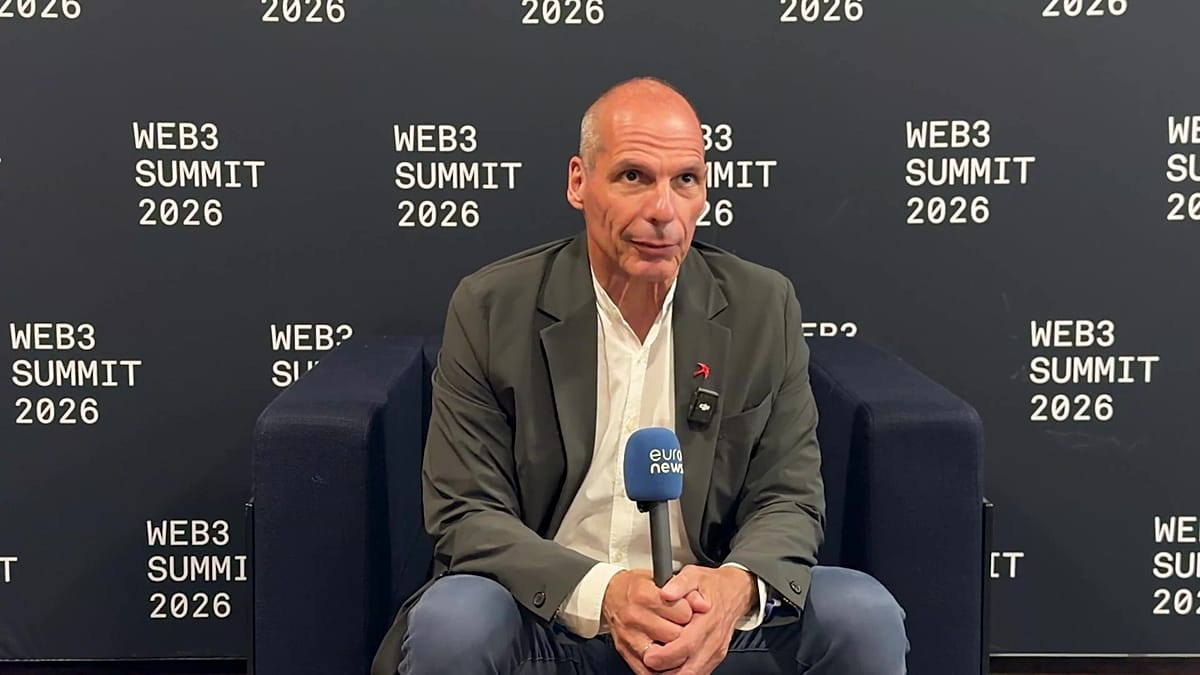
At the Web3 Summit in Berlin, developers, economists, and activists gathered to debate a crucial question: can decentralized technology break the grip that Big Tech has on our data, our AI, and our digital future? The fifth annual event brought together thinkers who believe the internet can be reclaimed by the people who use it.
Bill Laboon from the Web3 Foundation points out that artificial intelligence has made data ownership more urgent than ever. "The danger in AI often is the data that it gets from you," he explained. The concern isn't just about privacy but about who profits from the digital trail we leave behind every day.
Former Greek finance minister Yanis Varoufakis sees the challenge as fundamentally about power. He argues that technology giants have built what he calls "technofeudalism," where a few companies control the infrastructure that shapes modern society. While he acknowledges decentralized systems have useful applications, he remains skeptical that technology alone can solve the problem without democratic action.
But others at the summit remain optimistic about building alternatives. Joshua Davila, founder of The Blockchain Socialist, is working on decentralized systems inspired by cooperative banks and credit unions. His vision is simple: your money should generate interest that supports what you believe in, not just corporate profits.
The Ripple Effect
The movement gathering momentum in Berlin represents more than just technical innovation. It's about reimagining how communities can own and control their digital resources together. From local currencies to cooperative platforms, developers are building tools that put collective benefit ahead of individual profit.
The summit's theme of "less trust, but more truth" reflects a growing recognition that while people may doubt institutions, they still want verifiable systems they can rely on. Blockchain technology, stripped of its speculative hype, offers one pathway toward that goal.
As AI accelerates the race to control digital infrastructure, these conversations matter more than ever. The question isn't just who builds the future internet, but who it serves.
Communities worldwide are watching to see if decentralized technology can deliver on its promise of genuine digital ownership and control.
More Images



Based on reporting by Euronews
This story was written by BrightWire based on verified news reports.
Spread the positivity!
Share this good news with someone who needs it