Nigeria Unites Crypto Regulators Under New National Council
Nigeria just created a unified council to coordinate cryptocurrency regulation across all government agencies, ending years of fragmented oversight. The move could bring clarity to one of Africa's most active crypto markets while protecting consumers from fraud.
Nigeria is bringing order to its booming cryptocurrency industry with a breakthrough solution to years of regulatory confusion.
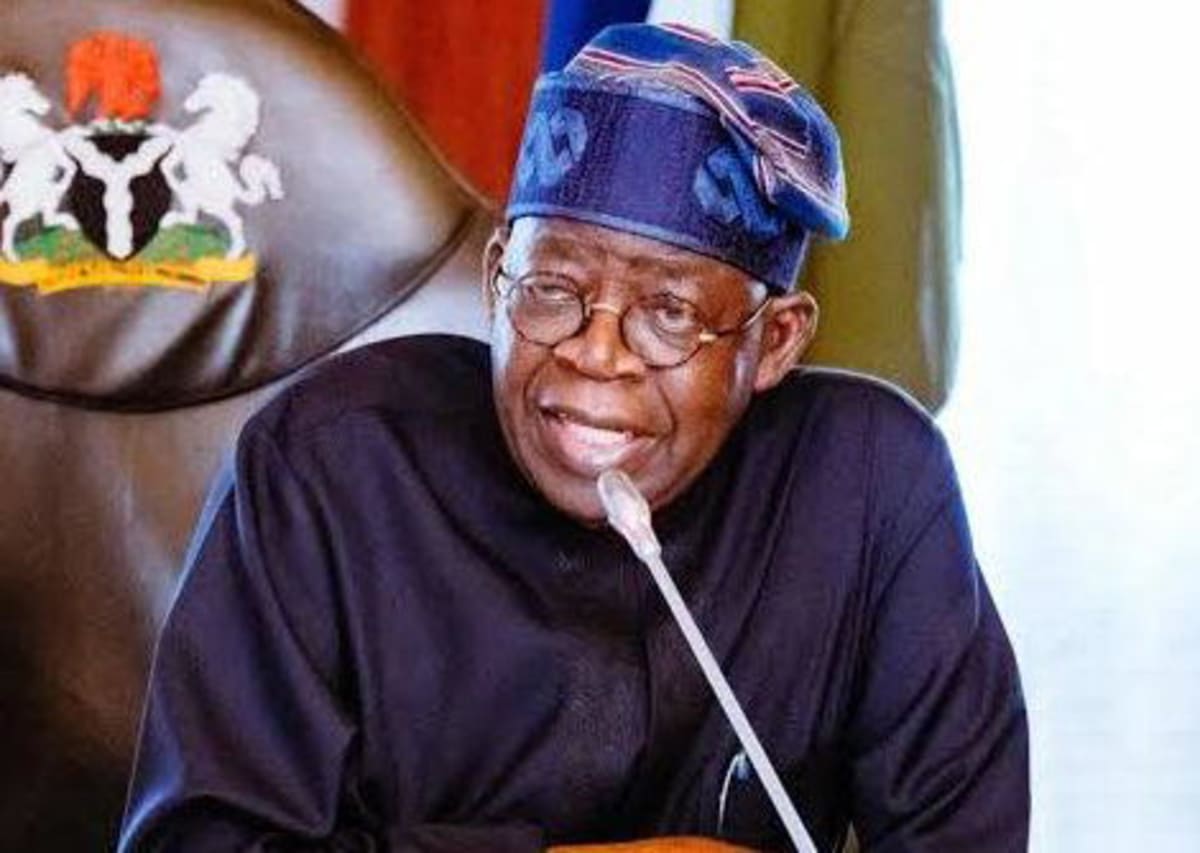
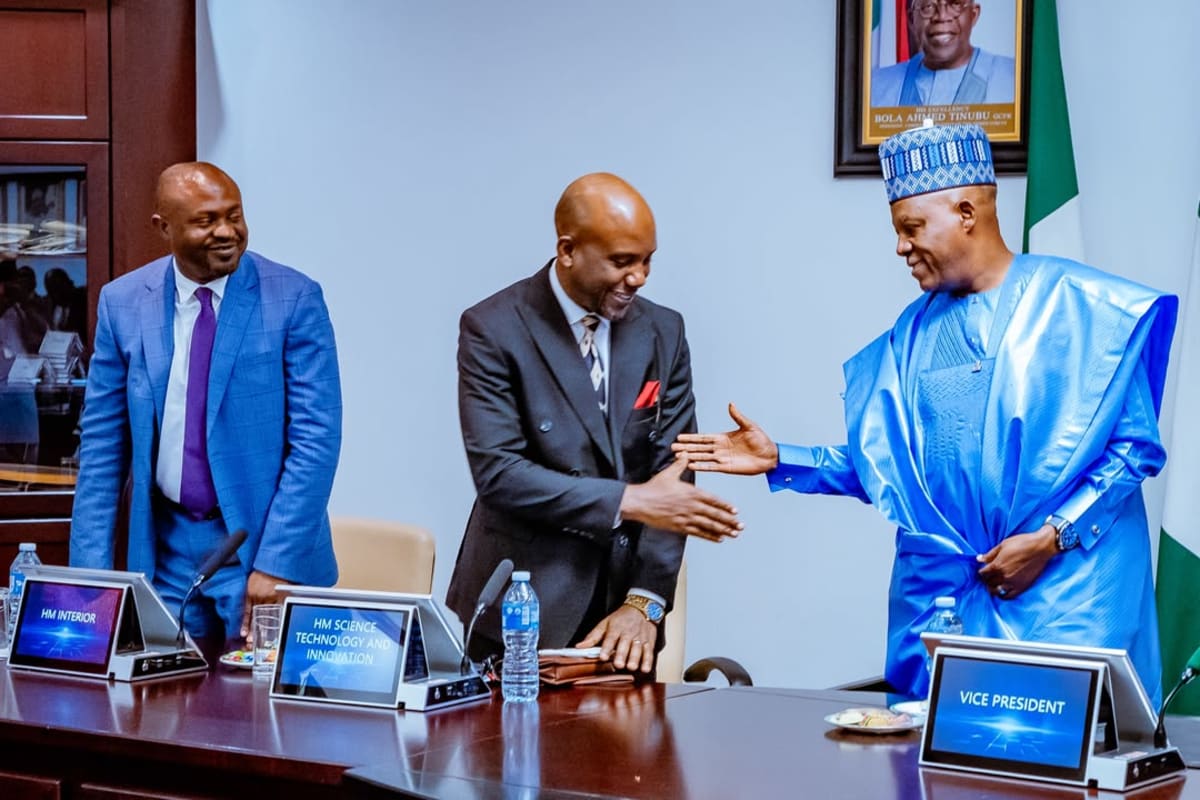
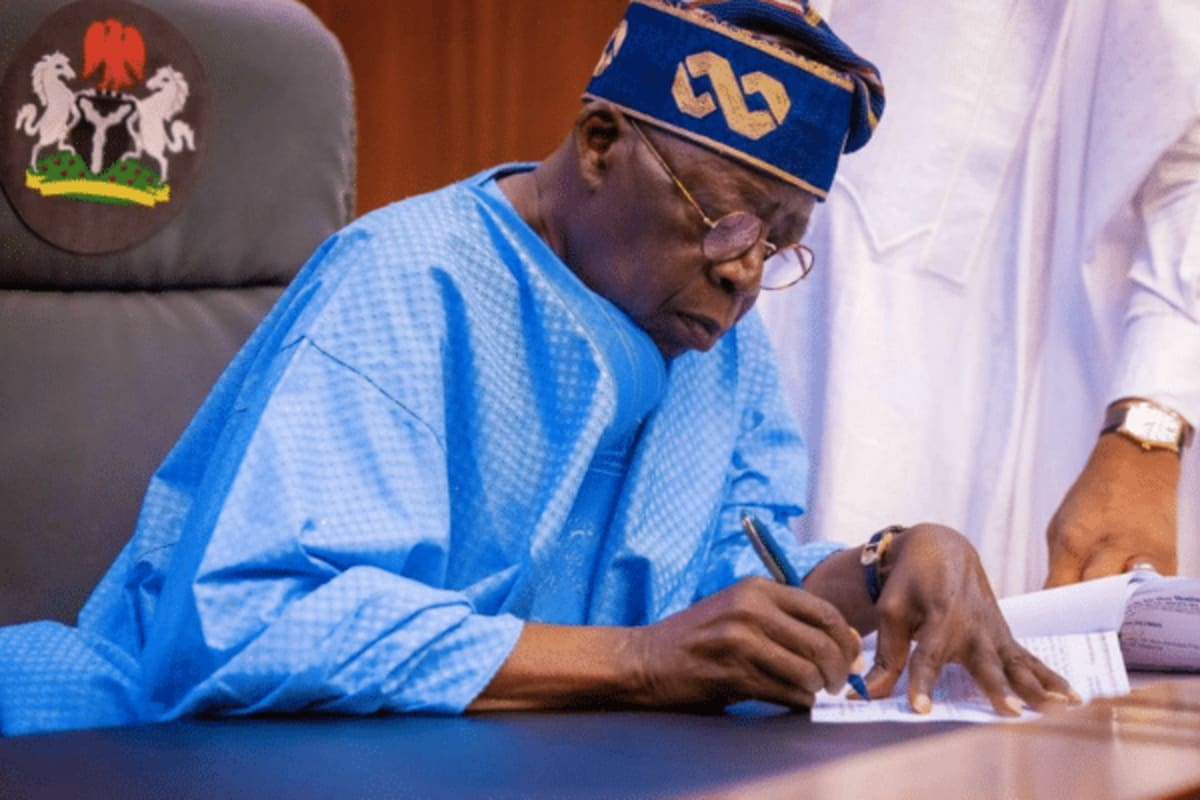
President Bola Tinubu signed the Presidential Executive Order on Virtual Assets Coordination in 2026, establishing a Virtual Asset Council to harmonize how different government agencies oversee digital money. The council brings together the Central Bank of Nigeria, Securities and Exchange Commission, tax authorities, financial intelligence units, and law enforcement under one coordinating body.
For years, these agencies worked separately, sometimes overlapping and sometimes leaving dangerous gaps. Criminals exploited these weaknesses to run scams that cost Nigerian families their life savings, while legitimate businesses struggled to figure out which regulator to answer to.
The new council, chaired by the Central Bank, won't replace existing agencies or create new layers of bureaucracy. Instead, it creates a single table where regulators can coordinate their efforts, share information, and provide consistent guidance to businesses.
This matters because cryptocurrency doesn't fit neatly into old regulatory boxes. Digital assets work like currencies, securities, commodities, and payment systems all at once, which meant startups often had to navigate multiple regulators with conflicting requirements.
The Ripple Effect
Nigeria has one of the world's highest rates of cryptocurrency adoption, making regulatory clarity crucial for millions of users. The coordinated approach could speed up policy decisions, strengthen consumer protections, and make Nigeria more attractive to legitimate blockchain companies looking to build in Africa.
The framework also addresses serious risks like money laundering, terrorism financing, and tax evasion that have grown alongside crypto adoption. By working together, agencies can close loopholes faster and catch bad actors before they hurt people.
This represents a major shift from Nigeria's approach just a few years ago, when the Central Bank restricted banks from working with crypto businesses. The government has since moved toward structured regulation, with the SEC launching programs to bring crypto companies into formal oversight.
For entrepreneurs building payment systems, blockchain infrastructure, and cryptocurrency services, the council could mean less uncertainty and more confidence to innovate. Licensed operators will finally have clear rules and a coordinated government response instead of contradictory signals from different agencies.
The success will depend on how well the council functions in practice, bringing together agencies that have historically guarded their independence. But the framework shows Nigeria recognizing that modern financial innovation requires modern regulatory cooperation, a lesson that could inspire other nations wrestling with the same challenges.
More Images


Based on reporting by Techpoint Africa
This story was written by BrightWire based on verified news reports.
Spread the positivity!
Share this good news with someone who needs it