Berlin Teen Finds First Ancient Greek Coin in City History
A 13-year-old playing in his Berlin neighborhood stumbled upon a 2,300-year-old coin from legendary Troy, marking the first ancient Greek artifact ever found in Germany's capital. The tiny bronze treasure is rewriting what historians thought they knew about ancient trade connections.
A teenage boy playing in his usual spot in Berlin just made history without even realizing it.
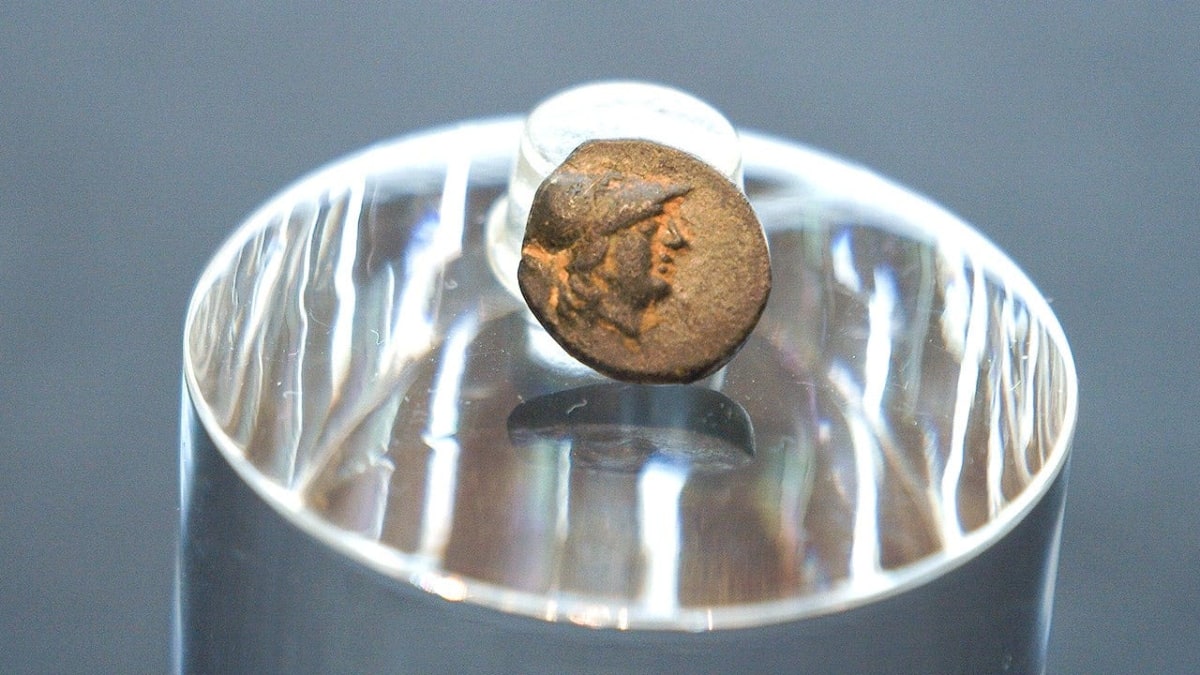
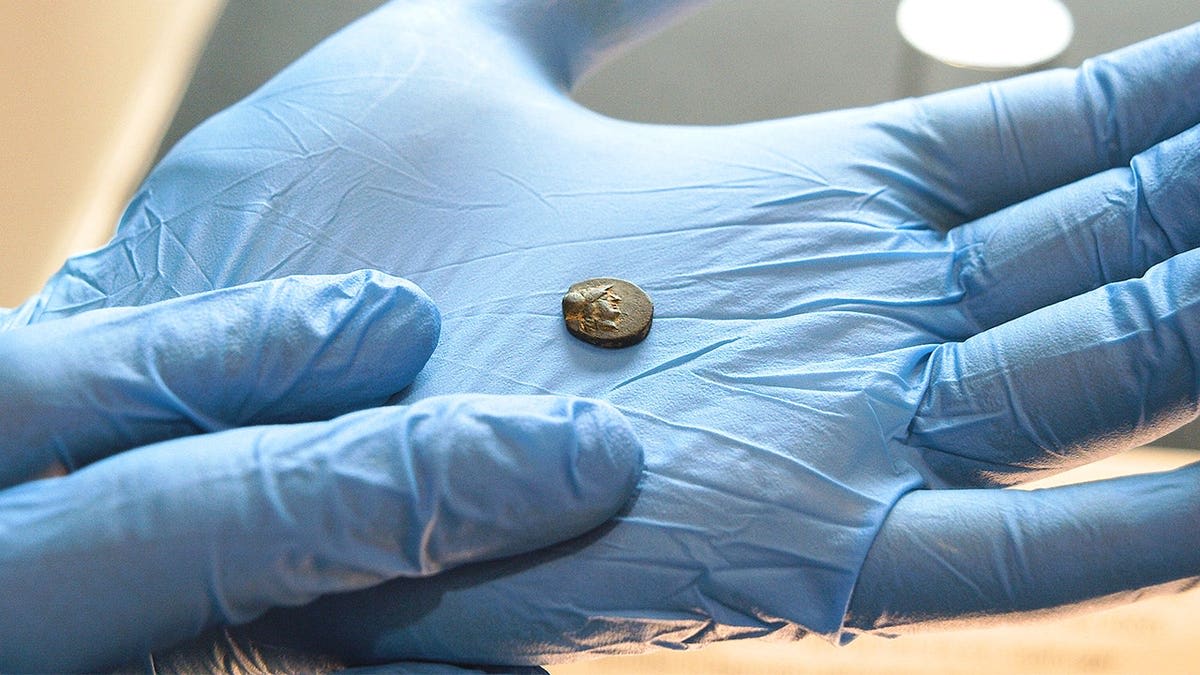
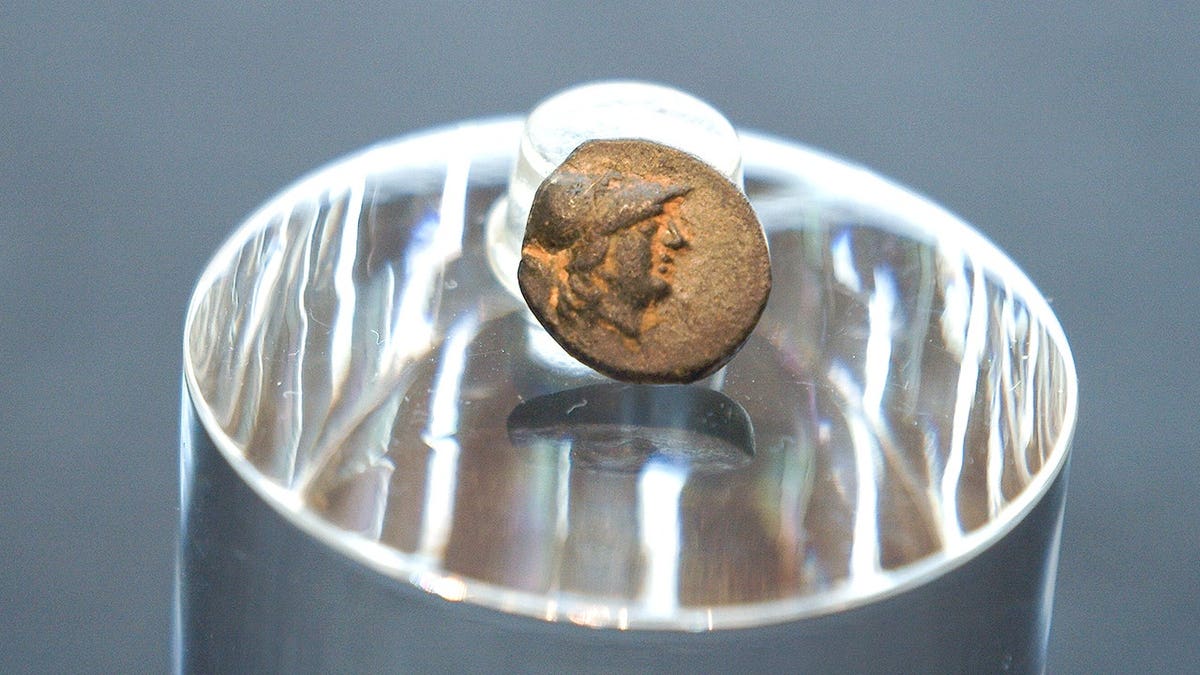
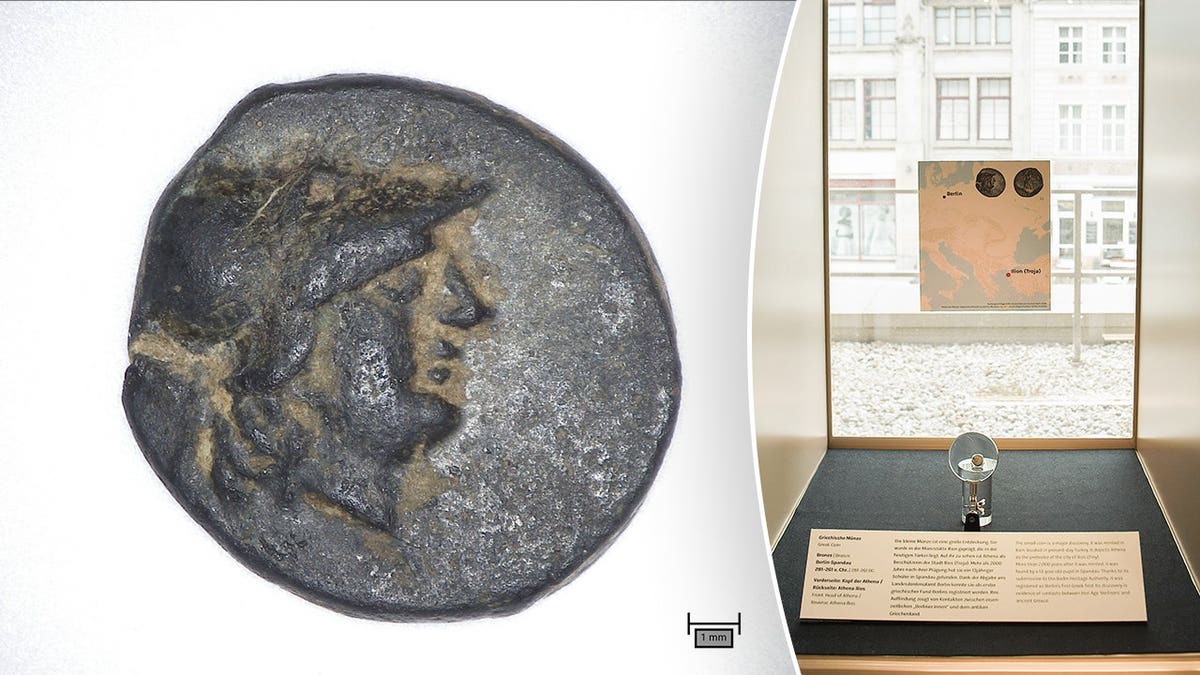
The 13-year-old found a small bronze coin in the Spandau district that turned out to be from ancient Troy, minted sometime between 281 and 261 B.C. It's the first ancient Greek coin ever discovered in Berlin, leaving archaeologists both thrilled and puzzled about how it traveled over 1,200 miles from the Mediterranean to northern Europe.
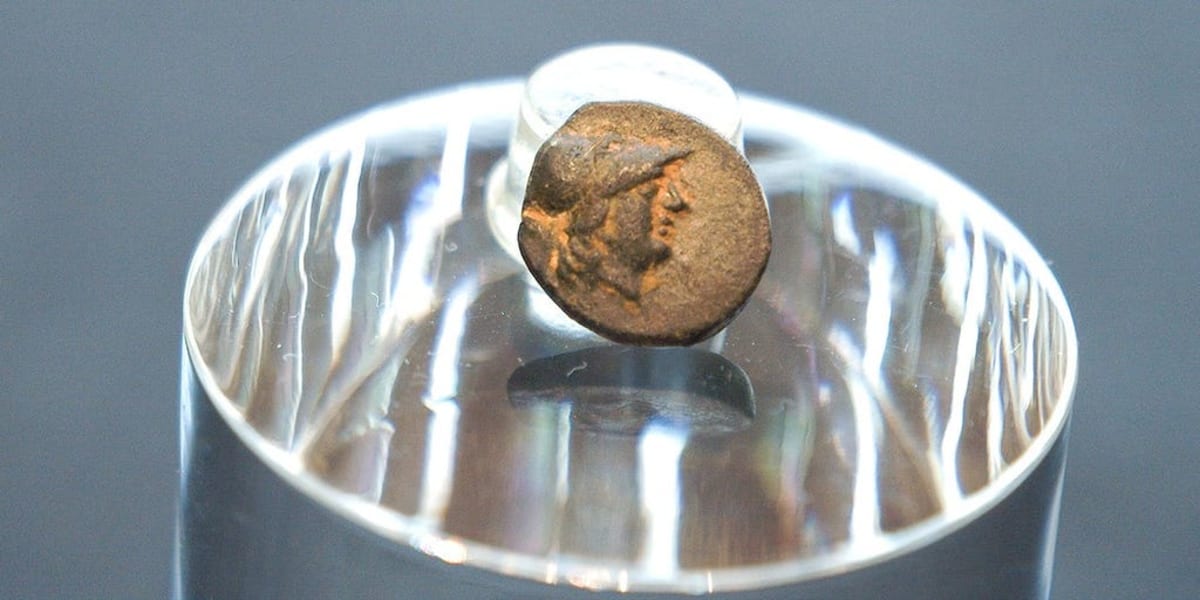
The coin is tiny, just 12 millimeters across and weighing only 7 grams. One side shows the goddess Athena wearing a Corinthian helmet, while the other depicts a local Trojan version of Athena with a woven basket called a kalathos.
Jens Henker, an archaeological heritage officer with the Berlin State Monuments Office, said the boy "was simply out playing in his usual area" when he spotted the coin. Because the teen was interested in old coins, he picked it up and took it home, completely unaware he'd found something that would stump experts.
When specialists examined the discovery site, they found evidence of a Bronze Age or early Iron Age cemetery. Ceramic fragments, cremated remains, and a bronze double button suggested the coin was likely left as a grave offering thousands of years ago.
The Ripple Effect
The find is opening new questions about how connected the ancient world really was. While historians knew Greeks and Germanic tribes had some contact, physical evidence has been extremely rare in the Berlin area.
"There were connections between these ancient peoples, perhaps more than we can imagine today," Henker told reporters. Baltic amber has been found in ancient Greece, proving Bronze Age trade routes existed, but the exact paths remain mysterious.
The coin could have traveled directly through trade networks, or it might have arrived through connections with Celtic tribes in southwestern Germany. Roman objects turn up regularly in Berlin because Germanic tribes often served as auxiliary troops for Rome, but Greek finds are virtually unheard of.
Only one other ancient Greek coin has been found in the broader Brandenburg region around Berlin. A farmer discovered a coin from the island of Thasos back in 1584, dating to after 146 B.C.
Henker said his team "was never expecting such a find, although we wished it!" The discovery proves that even in heavily studied areas, the ground still holds secrets about how our ancestors connected across vast distances in ways we're only beginning to understand.
More Images
Based on reporting by Fox News Travel
This story was written by BrightWire based on verified news reports.
Spread the positivity!
Share this good news with someone who needs it