Bhutan Secures $160M to Triple Solar Power Capacity
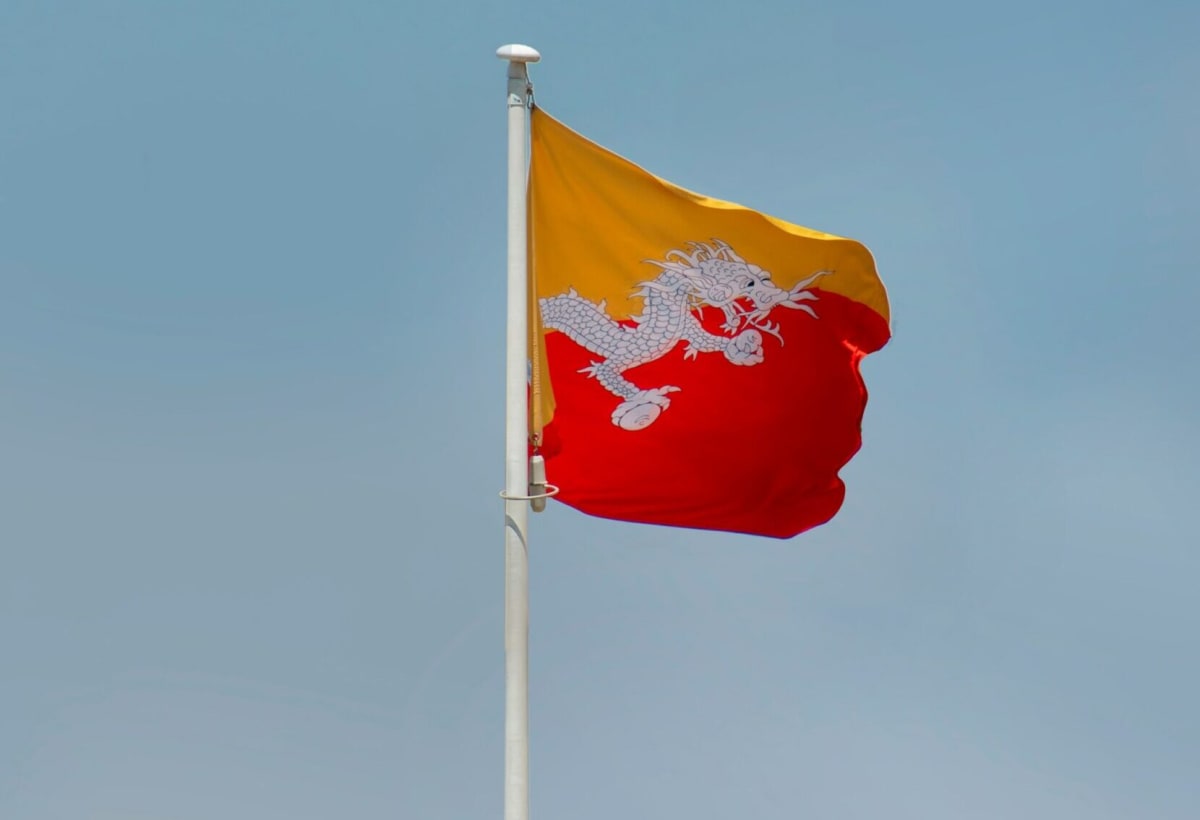
A tiny Himalayan nation is making a giant leap toward energy independence with three new solar farms that will transform how it powers homes during harsh winters. Bhutan just secured major funding for a renewable energy project that will create hundreds of green jobs while slashing costly electricity imports.
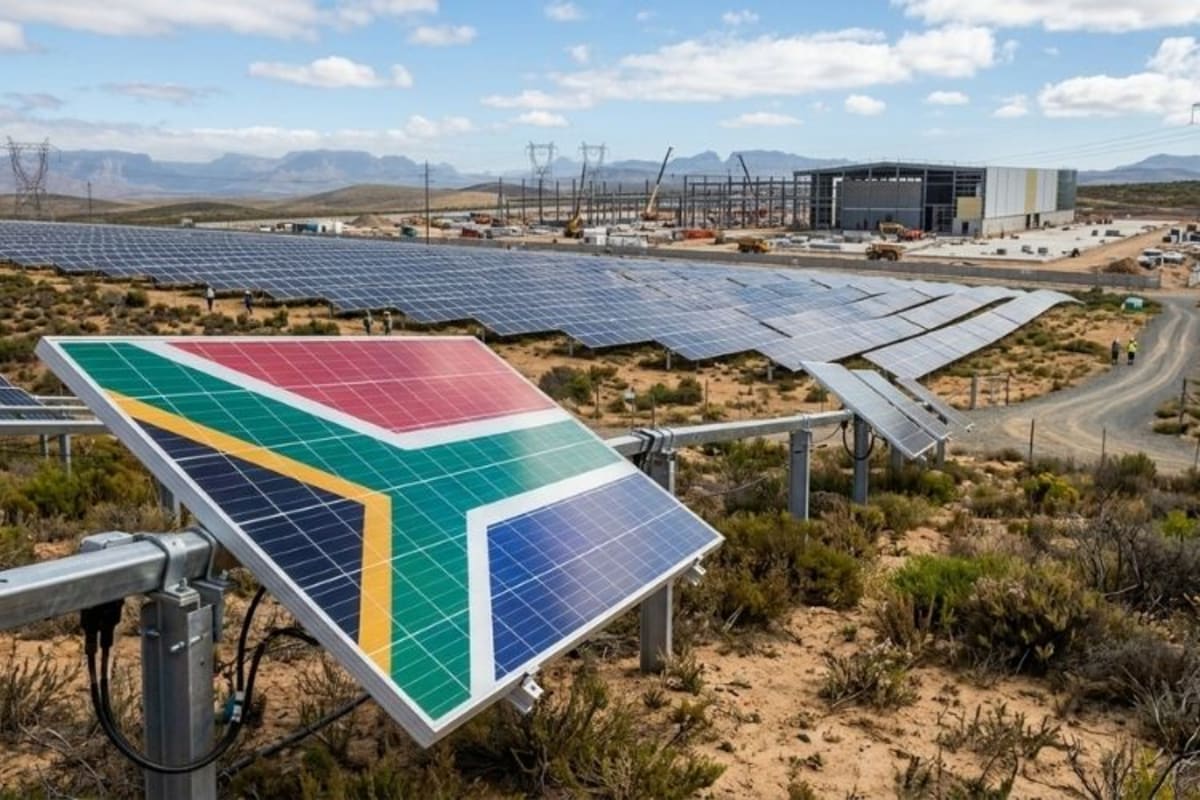
Bhutan is about to multiply its solar power capacity fifteenfold thanks to a $160 million loan from the Asian Development Bank. The funding will build three solar farms across the country's northern regions, generating 310 megawatts of clean electricity.
This marks a turning point for the small Himalayan kingdom, which has relied almost entirely on hydropower for decades. During dry winter months, the rivers slow and Bhutan has been forced to import expensive electricity from neighboring countries.
The problem has grown urgent. Peak winter electricity demand nearly tripled between 2021 and 2025, and experts predict the country will face a deficit exceeding 1,000 megawatts by 2030 without new energy sources.
The largest project, a 150 megawatt solar farm in Lhuentse, will be developed through Bhutan's first private-majority public-private partnership in the energy sector. Local developer Druk Green Power Corporation is teaming up with India's Tata Power Renewable Energy to make it happen.
Two additional farms in Bumthang will add 120 megawatts and 40 megawatts respectively. The Bhutan Power Corporation will connect all three sites to the national grid with 46 kilometers of new transmission lines.
The project will pull in another $68.7 million in private investment and commercial financing beyond the ADB loan. A $500,000 grant from Japan will fund training programs specifically designed to prepare women and young people for new green energy careers.
Bhutan had just 21 megawatts of solar capacity at the end of 2025, up from only 3 megawatts the year before. The country commissioned its first utility-scale solar plant in mid-2025, a 17 megawatt array that proved solar could work in the mountainous terrain.
Several other large projects are already underway, including a 120 megawatt solar farm being developed by local and Indian companies.
The Ripple Effect
Bhutan's solar expansion shows how small nations can tackle big energy challenges without sacrificing their environmental values. The country is already carbon negative, absorbing more carbon dioxide than it produces, and these new solar farms will strengthen that commitment.
By pairing solar power with existing hydropower, Bhutan is building resilience against climate change while cutting dependence on imports. The public-private partnership model being tested here could unlock similar projects across the country as it works toward an ambitious goal of 5,000 megawatts of solar by 2040.
The green jobs created through this project will provide new opportunities in a country where employment options have traditionally been limited. Training programs funded by the Japanese grant will ensure local workers have the skills to maintain and operate these high-tech facilities for decades to come.
Bhutan is proving that even the smallest nations can make outsized contributions to the clean energy future.
More Images


Based on reporting by PV Magazine
This story was written by BrightWire based on verified news reports.
Spread the positivity!
Share this good news with someone who needs it