Bihar Man Trains 1,700 Women After Losing 42-Store Brand
After COVID shut down his 42-store fashion empire, Nagmani Roy returned to his Bihar village and discovered untapped talent. He's now turned traditional crafts into sustainable income for 1,700 rural women.
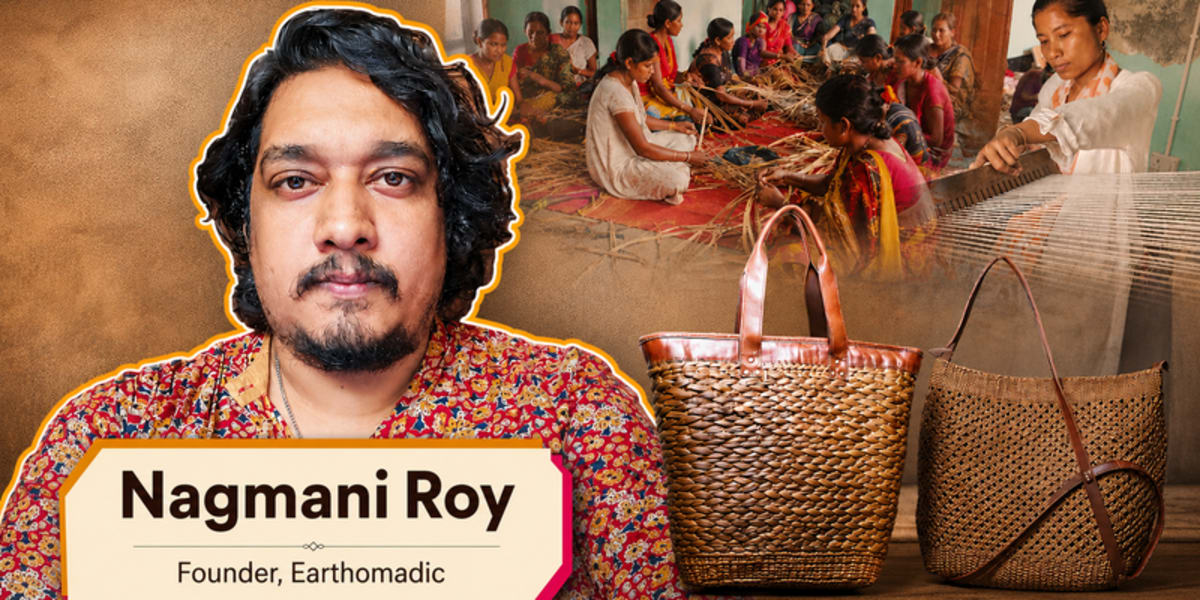
When Nagmani Roy's 42-store fashion brand collapsed during COVID, most would see only loss. He saw 1,700 reasons to start over.
Roy grew up in a small Bihar village, worked his way to the National Institute of Fashion Technology in Hyderabad, and spent 11 years building Kazari, a women's clothing retail brand. Then the pandemic hit, and everything disappeared.
Returning to his ancestral region of Vaishali in 2020, Roy noticed something that changed everything. Women in his village possessed incredible traditional skills in bamboo weaving, embroidery, and other crafts, but had zero access to markets or steady income.
He founded the Earthomadic Foundation with a simple but powerful idea: connect ancient crafts to modern customers. Unlike typical training programs that stop at teaching skills, Roy's model takes artisans from learning to earning.
The approach is practical and thorough. Before working with a community, Roy's team studies existing skills, available raw materials, and local needs. Then they focus on design development, quality control, production systems, and most importantly, market access.
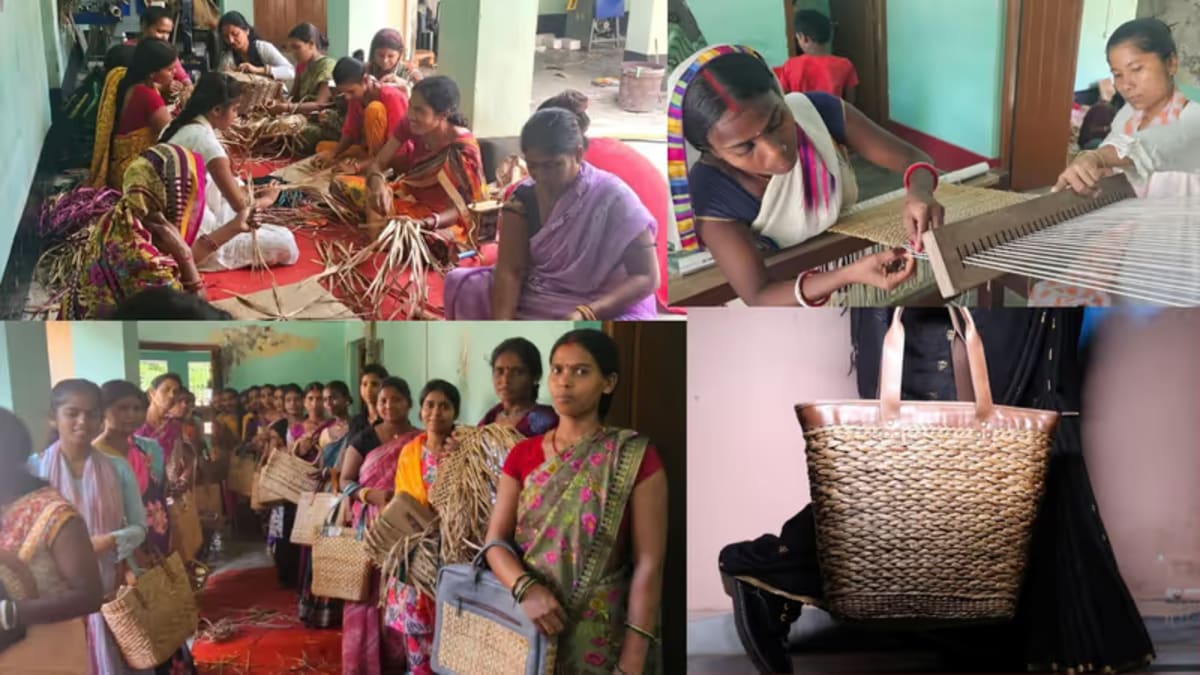
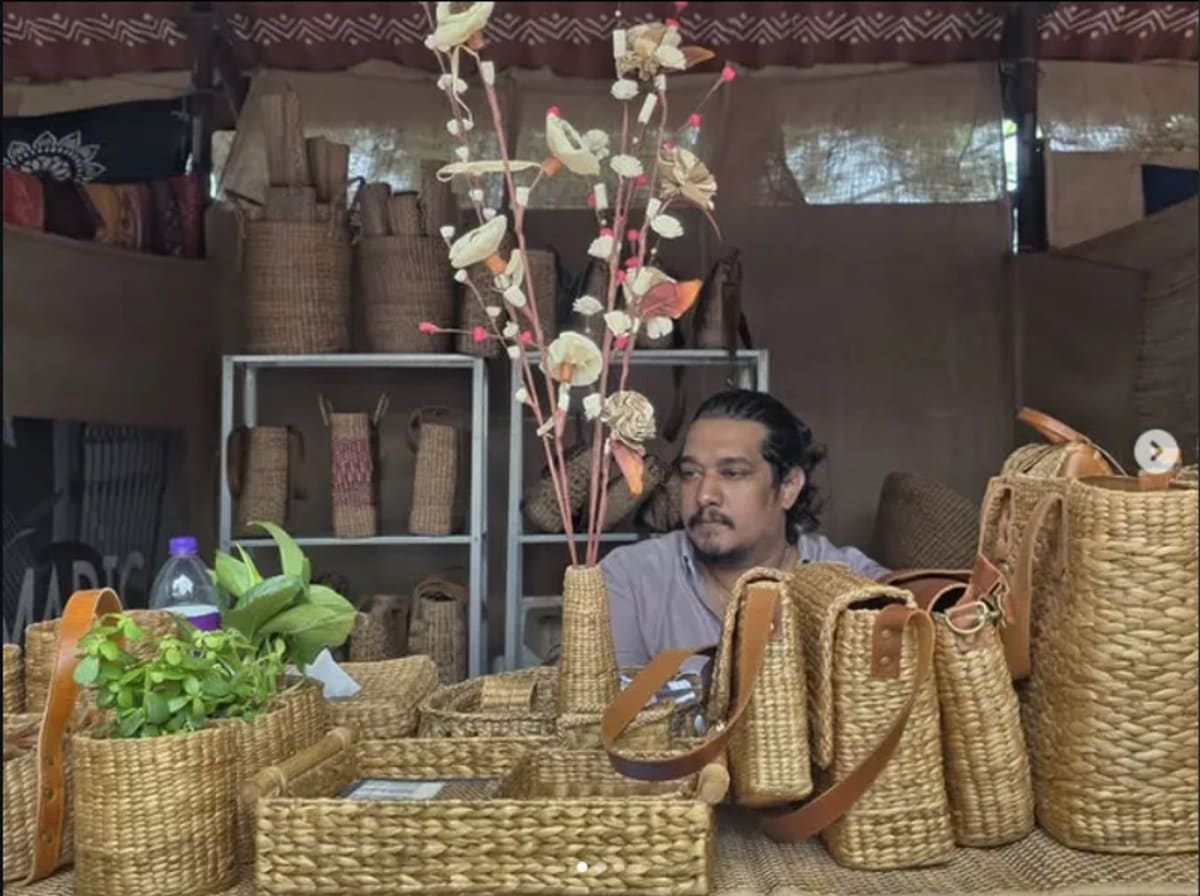
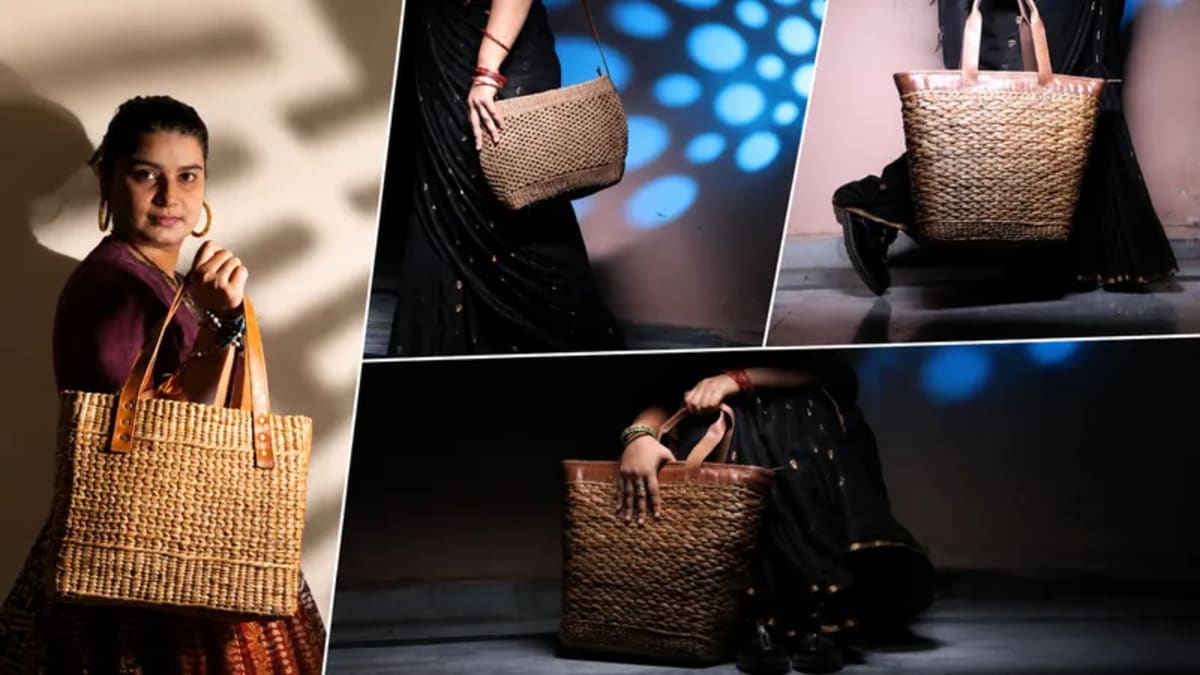
Water hyacinth became an unexpected success story. This fast-growing aquatic plant normally clogs waterways and causes environmental problems. Roy taught women to transform it into sellable products, turning an ecological headache into paychecks.
The Satpura cluster in Vaishali now has 130 water hyacinth artisans working regularly. Another 30 sikki artisans operate in Rajapakar, 30 leather artisans in Belsar, and growing clusters work with crochet and jute in Kishanganj.
Roy is clear about what success means. "The real question is how many are working continuously, how many have got an income opportunity, and how many are connected to the market," he explains.
Of the 1,700 women trained so far, about 300 artisans now earn steady income through their crafts. Over four years, women-led units have generated Rs 1.5 crore (roughly $180,000) in business through product sales and training services.
The Ripple Effect
Roy's model solves multiple problems at once. Rural women gain financial independence and purpose. Traditional crafts that might have disappeared get preserved and modernized. Environmental nuisances like water hyacinth become valuable resources. And customers get unique, handmade products with real stories behind them.
The Bihar government has taken notice. The state's RAMP program now flags water hyacinth and banana fiber clusters as growth opportunities worth expanding across the region.
From village classrooms to fashion school to retail empire to social entrepreneur, Roy's journey proves that sometimes losing everything helps you find what really matters. One woman's steady income at a time, he's rewriting what success looks like.
More Images

Based on reporting by YourStory India
This story was written by BrightWire based on verified news reports.
Spread the positivity!
Share this good news with someone who needs it