Biodegradable Plastics Could Cut Toxic Waste 34% by 2050
A Yale study reveals biodegradable plastics could slash toxic pollution by over a third and reduce global waste up to 65% by mid-century, but only with proper disposal systems. Without the right infrastructure, these eco-friendly alternatives could actually double greenhouse gas emissions.
Scientists just confirmed what could be a major breakthrough in the fight against plastic pollution, but there's an important catch that cities need to act on now.
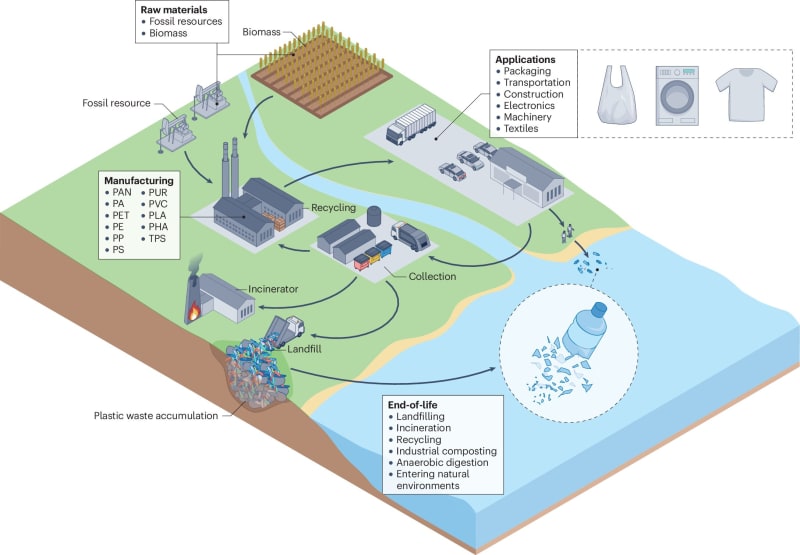
Researchers at Yale School of the Environment found that switching to biodegradable plastics could reduce toxic pollution by 34% and cut global waste accumulation by up to 65% by 2050. The study, published in Nature Reviews Clean Technology, is the first to track biodegradable plastics through their entire lifecycle on a global scale.
The findings offer real hope for our plastic problem. If we replace as much conventional plastic as possible with biodegradable alternatives, we could dramatically reduce the harmful chemicals building up in our environment while using roughly the same amount of energy we do today.
But here's where it gets critical. These benefits only happen if biodegradable plastics go to industrial composting facilities or anaerobic digesters at the end of their life. If they end up in landfills instead, greenhouse gas emissions could actually double.
"Biodegradable plastics can definitely help with plastic waste accumulation and ecotoxicity, but the benefits may not hold if their end-of-life isn't managed properly," said Yuan Yao, associate professor of industrial ecology and the study's senior author. Cities and waste management companies need to build the right infrastructure to handle these materials.
The Bright Side
The research team identified several practical steps that could maximize the benefits. Better labeling would help consumers know which bin to use for different types of biodegradable plastics. Investment in composting facilities and anaerobic digesters would ensure these materials break down properly instead of releasing methane in landfills.
The study did uncover one trade-off worth noting. Producing bio-based plastics requires growing crops, which would more than double the plastics industry's water footprint. Researchers are already working on developing more water-efficient raw materials to address this challenge.
Lead author Zhengyin Piao emphasized that biodegradable plastics work best as part of a bigger solution. "Conventional plastics will still dominate the future plastic market, and if we do not address conventional plastics, we cannot effectively reduce waste accumulation," he said. Combining better recycling for traditional plastics with increased use of biodegradable alternatives creates the most powerful impact.
The researchers built on their 2024 work studying biodegradable microplastics in waterways, giving them the tools to forecast environmental impacts across multiple dimensions. This comprehensive approach reveals not just one solution, but a roadmap for communities ready to tackle plastic waste from every angle.
With the biodegradable plastics market already growing, this research gives cities and companies the evidence they need to invest wisely in infrastructure that turns promise into real environmental progress.
More Images
Based on reporting by Phys.org - Earth
This story was written by BrightWire based on verified news reports.
Spread the positivity!
Share this good news with someone who needs it