Indian Startup Turns Crop Waste Into Clean Battery Parts
A team in India is solving two problems at once by converting farm stubble into battery components, creating a cleaner alternative to toxic lead-acid batteries. Their approach could replace pollution with power storage across the country.
Every October, smoke from burning crop stubble blankets Delhi for weeks, but four engineers from IIT Roorkee saw something else in those fields: the raw material for India's energy future.
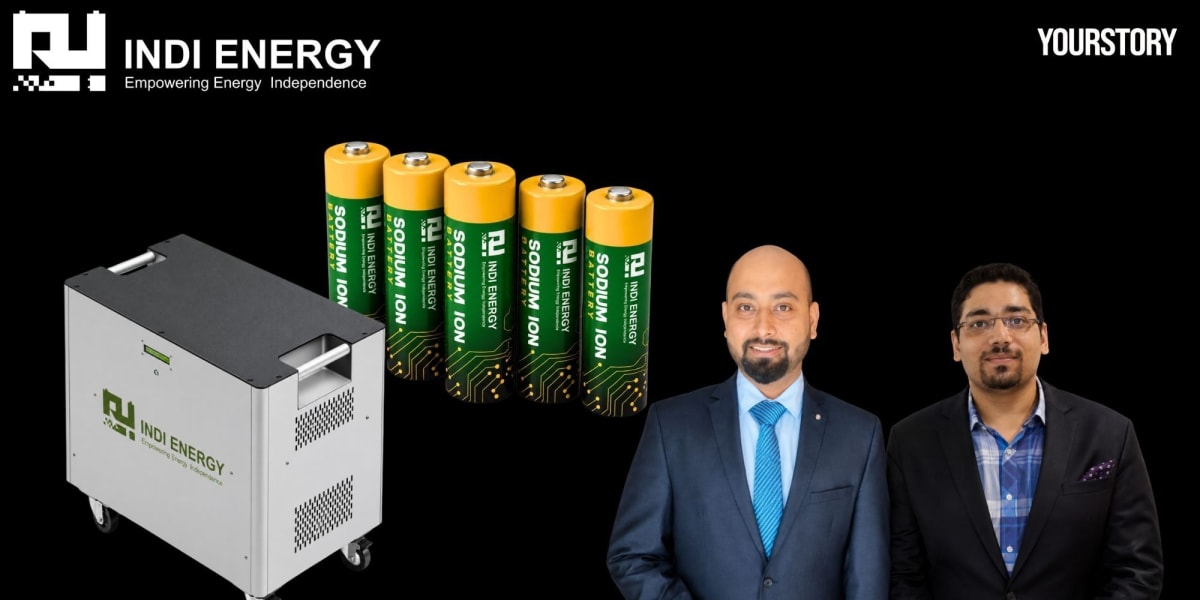
Indi Energy, founded in 2019, transforms agricultural waste into hard carbon, a critical component in sodium-ion batteries. The same stubble farmers burn because they have no better option becomes the anode that stores and releases energy as batteries charge and discharge.
The startup doesn't just assemble batteries from imported parts like most Indian manufacturers. They produce their own hard carbon (branded BioBlack), cathode materials, and electrolytes, then combine them into complete battery cells at their facility in Roorkee.
Founders Akash Soni, Yogesh Kumar Sharma, Asit Sahoo, and Nagesh Kumar aren't chasing the electric car market. Sodium-ion batteries store less energy per kilogram than lithium, which matters in vehicles but not in solar installations, street lights, or backup power systems.
Their real target is lead-acid batteries, which still dominate Indian applications from e-rickshaws to home inverters. Lead-acid batteries are cheap upfront but heavy, short-lived, and toxic when recycled improperly, making them vulnerable to a cleaner alternative.
The company's cells achieve 90 to 95% energy efficiency with over 2,000 charge cycles and handle fast charging without overheating. That performance earned them the National Startup Award 2022 and backing from DRDO's innovation challenge, putting them among government-supported battery ventures.
They've raised about $1.59 million from investors including Mumbai Angels and BIG Capital. The company has built a pilot production plant and says they're moving toward mass manufacturing, though no commercial customers or revenue figures have been announced publicly.
The Ripple Effect
Making battery components locally rather than importing them gives India more control over its energy storage supply chain. If Indi Energy reaches commercial scale, their approach could reduce dependence on foreign suppliers while creating a market for crop waste that currently chokes the air.
The window is narrowing as sodium-ion technology moves from labs to factories worldwide, but the core advantage remains: owning the full production process from farm waste to finished battery means India doesn't have to wait for someone else to solve its energy storage puzzle.
One company is turning the smoke over Delhi into the power underneath it.
More Images

Based on reporting by YourStory India
This story was written by BrightWire based on verified news reports.
Spread the positivity!
Share this good news with someone who needs it