Biologist George Schaller Changed How We See Wild Animals
A new biography reveals how field biologist George Schaller transformed conservation by spending decades living quietly among gorillas, lions, and pandas, proving animals deserved empathy and protection. His patient approach created wildlife sanctuaries across six continents and reshaped how science understands animal behavior.
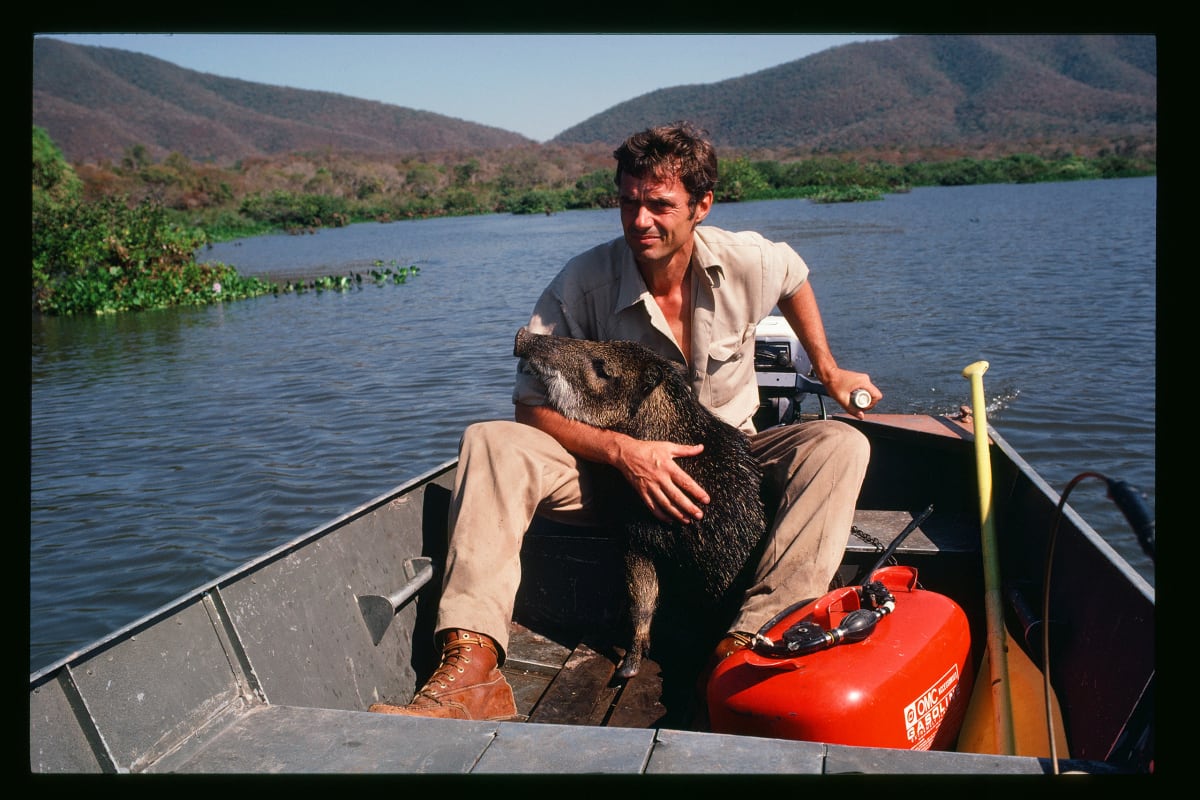
When George Schaller first traveled to the Belgian Congo in the late 1950s, most people saw mountain gorillas as monsters worth shooting. He did something quietly revolutionary: he sat down, unarmed, and watched.
What Schaller discovered changed everything. Gorillas weren't violent brutes but social, gentle creatures with complex family lives and individual personalities.
That simple act of patient observation became the foundation for seven decades of groundbreaking work. Schaller went on to study lions in the Serengeti, snow leopards in the Himalayas, tigers in India, pandas in China, and antelope across the Tibetan Plateau.
His method stood against scientific convention of the time. While mid-century zoology favored controlled lab experiments and emotional distance, Schaller insisted that truly understanding animals required empathy and long stretches of quiet presence in their world.
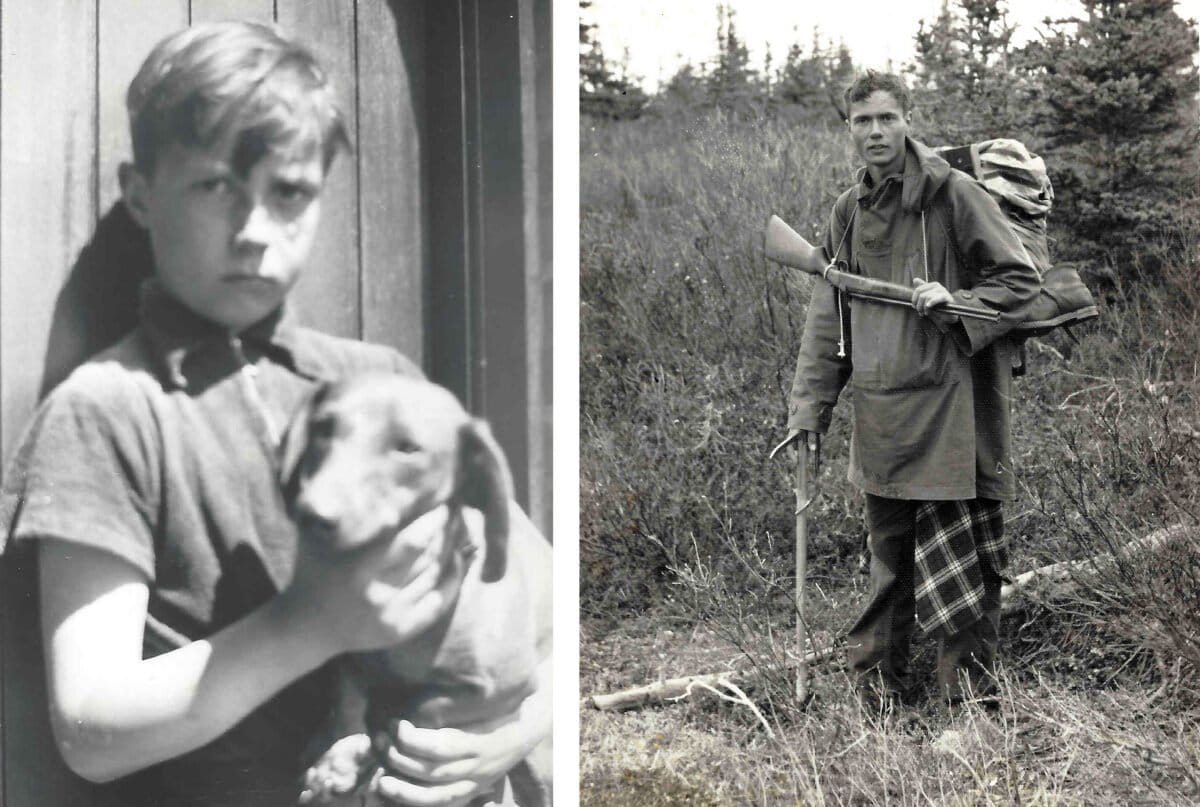
Born in Berlin in 1933, Schaller's childhood was marked by war and displacement across Nazi Germany and occupied Europe before reaching America. Those early years of watchful isolation shaped habits that became professional gifts: patience, attentiveness, and comfort in unfamiliar places.
Miriam Horn's new biography, "Homesick for a World Unknown," traces how Schaller's research did more than advance science. His detailed field observations directly informed the creation of protected wildlife areas around the globe, gradually incorporating local communities into conservation efforts.
Schaller avoided publicity and rarely discussed his own emotions, even when facing extreme danger. Horn honors that reticence by focusing outward, just as her subject did, on the animals and landscapes he devoted his life to protecting.
The Ripple Effect
Schaller's influence extends far beyond his own fieldwork. His approach pioneered modern conservation biology and inspired generations of researchers to study animals in their natural habitats rather than cages.
The protected areas his work helped establish continue safeguarding endangered species today. His insistence that animals possess inner lives and deserve description in plain, honest language shifted how both scientists and the public understand wildlife.
By choosing patience over dominance and observation over control, Schaller demonstrated that protecting animals begins with truly seeing them. His legacy lives on in every wildlife sanctuary and every researcher who chooses to wait quietly and watch.
More Images

Based on reporting by Mongabay
This story was written by BrightWire based on verified news reports.
Spread the positivity!
Share this good news with someone who needs it