Biologist Spent 46 Years Saving Central African Parks
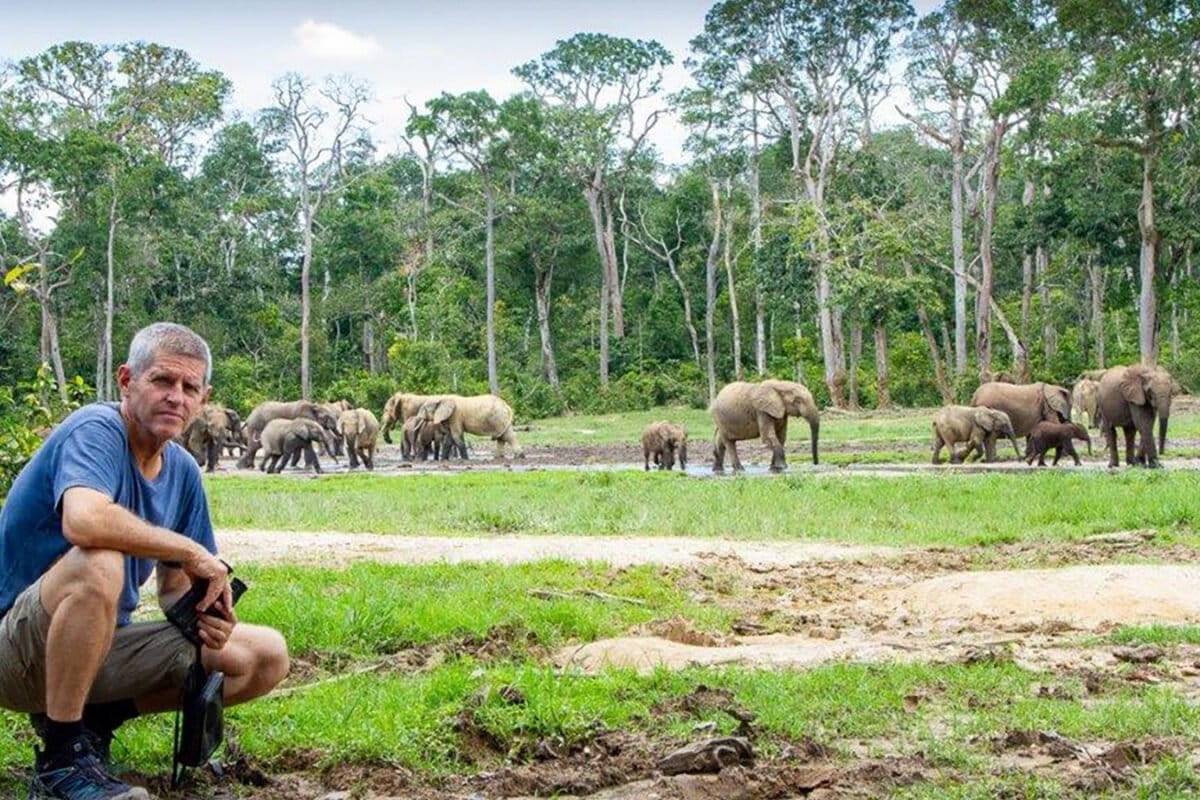
In 1980, a young Spanish biologist drove a tiny Citroën across the Sahara with a dream. Four decades later, Luis Arranz has become one of Central Africa's most experienced conservation leaders, proving that protecting wildlife requires patience, community trust, and staying power.
Luis Arranz arrived in Africa in 1980 with just a biology degree and determination. He drove south from Spain in a small Citroën 2CV, spending nearly two months crossing the Sahara and fixing his car as it broke down along the way.
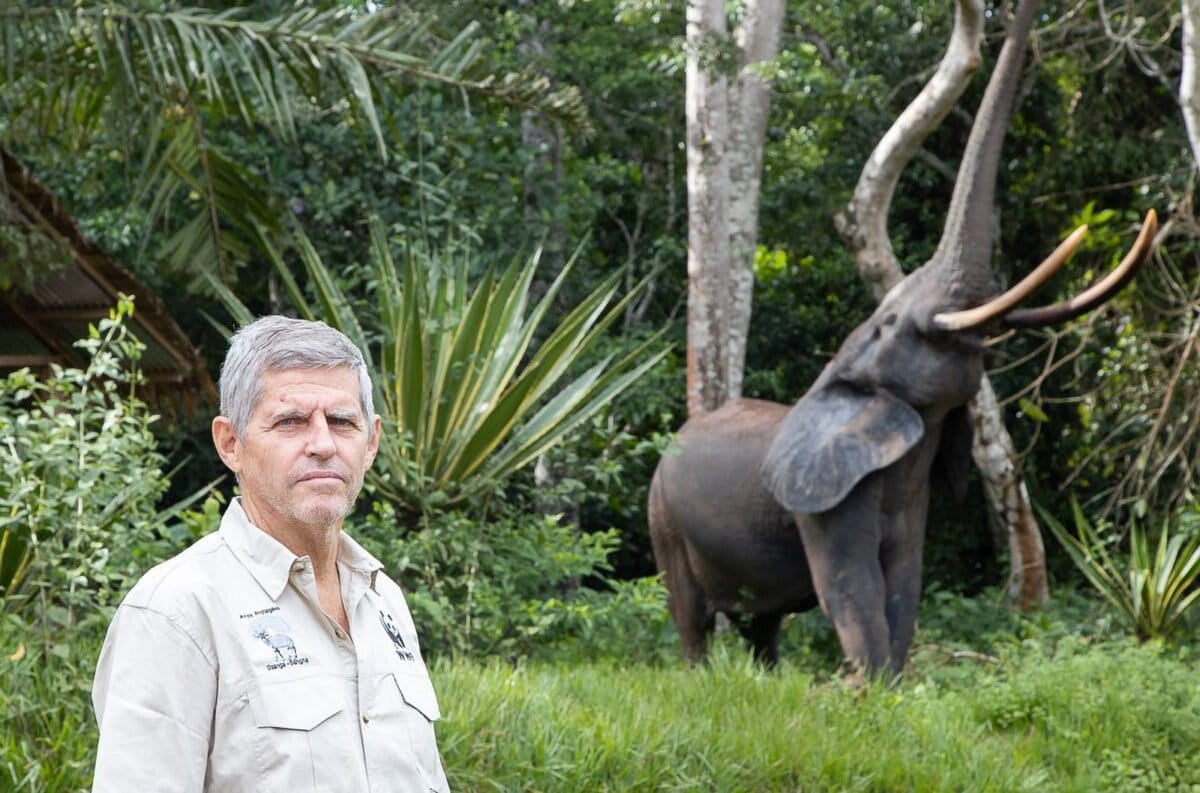
That journey marked the beginning of an extraordinary 46-year career managing some of Central Africa's most important protected areas. Arranz has led parks including Monte Alén, Zakouma, Garamba, Dzanga-Sangha, and now Salonga, often staying for years at each location.
His approach is refreshingly practical. "We know what we have to do," Arranz says, describing conservation less as a planning exercise and more as daily execution across difficult terrain where basic coordination can take days.
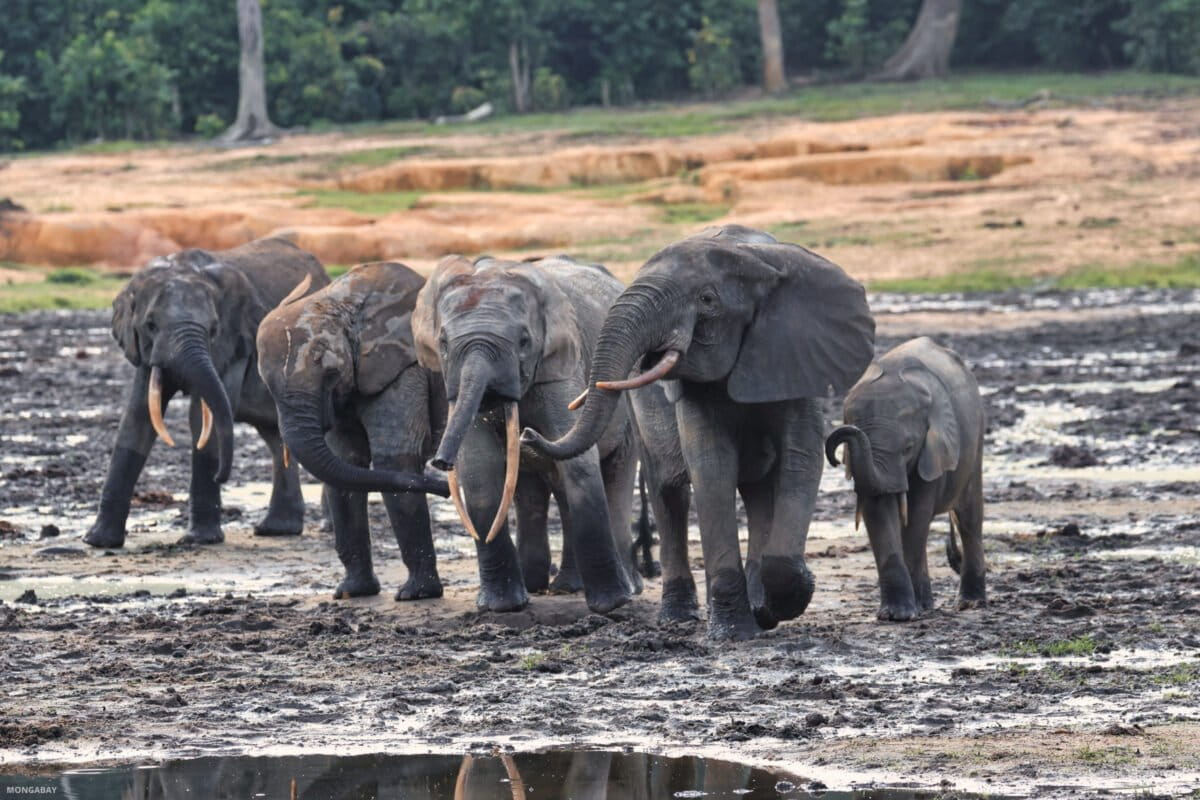
The scale of these landscapes is massive, and Arranz is realistic about what's possible. Patrols focus on priority areas to deter illegal activity, but full control isn't the goal. Consistent coverage in key zones is what protects wildlife over time.
He places enormous emphasis on relationships with local communities. Conservation that ignores people's immediate needs for food and income simply doesn't work. When protected areas provide tangible benefits through employment, revenue, or services, local support follows.
In Dzanga-Sangha, Arranz helped establish a co-management system that shares tourism revenue between the park, government, and local communities. While still limited in scale, it demonstrates how conservation can generate local income and reduce reliance on uncertain international funding.
The work often unfolds under dangerous conditions. Arranz has operated in areas with armed groups and organized poaching networks. In Garamba, encounters with the Lord's Resistance Army led to attacks on infrastructure and the deaths of colleagues and friends.
Rangers face these risks constantly while patrolling vast areas with limited equipment. Arranz speaks of them with deep respect, describing returning their bodies to their families as the hardest part of his job.
The Ripple Effect
Arranz's decades of commitment have created something rare in conservation: institutional memory and continuity. His experience shows that protecting wildlife isn't about new theories or tools. It's about maintaining operations over long periods and understanding how quickly progress can vanish when support is withdrawn.
Now, after 46 years, he's beginning to step back from day-to-day management. He's preparing others to take on leadership roles, though succession remains challenging because few people stay in the field long enough to build the necessary experience.
His motivation remains simple. He prefers fieldwork over administration and measures success by whether wildlife persists. His goal is to leave each place better than he found it and ensure these landscapes remain intact for future generations.
More Images
Based on reporting by Mongabay
This story was written by BrightWire based on verified news reports.
Spread the positivity!
Share this good news with someone who needs it