Biotech Turns Chicken Eggs Into Affordable Drug Factories
A New York startup is genetically engineering chickens to produce lifesaving medications in their eggs, potentially cutting drug costs to one-tenth their current price. After decades of struggle, new breakthroughs are finally making egg-based medicine production practical.
Scientists have cracked the code to turn ordinary chicken eggs into tiny pharmaceutical factories that could slash the cost of some of the world's most expensive medications.
Neion Bio, a biotech startup founded in 2024, emerged from stealth this week to announce a partnership with a major pharmaceutical company. The goal sounds like science fiction: engineer chickens to lay eggs containing complex medical compounds that currently cost patients hundreds of thousands of dollars per year.
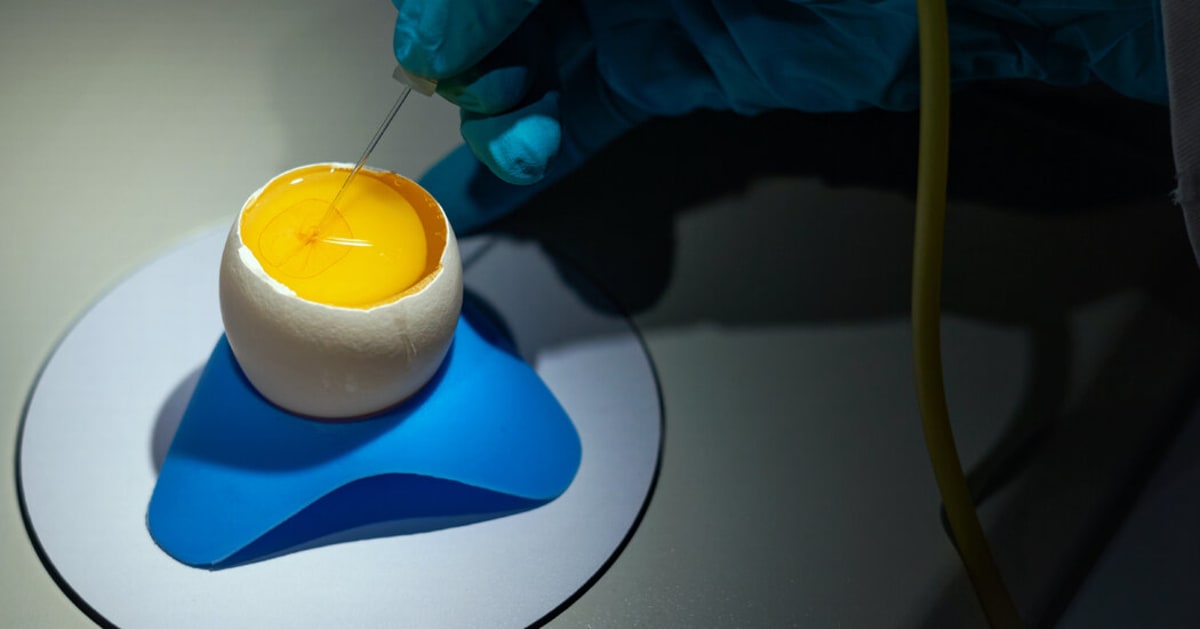
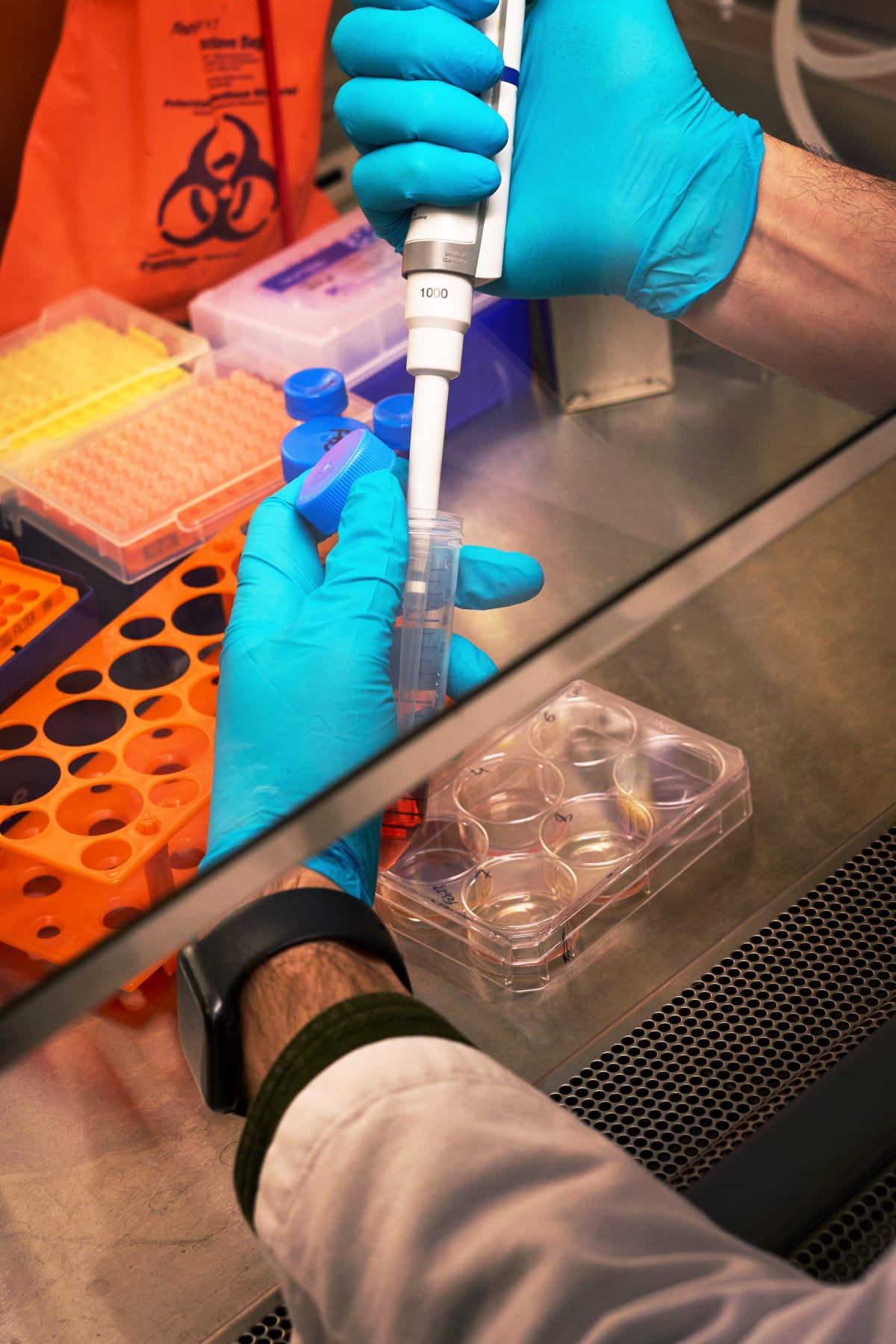
At their New York lab, scientist Esther Oluwagbenga performs a delicate operation that few in the world can master. Using a needle controlled by gentle puffs of breath through a plastic tube, she injects genetic material directly into the tiny arteries of three-day-old chick embryos still developing inside their shells.
The promise is enormous. Many blockbuster drugs like cancer treatment Keytruda and arthritis medication Humira are large proteins that can only be made by living cells. Right now, pharmaceutical companies grow these drugs in massive steel tanks filled with Chinese hamster ovary cells, a process that requires billion-dollar factories and costs hundreds or thousands of dollars per gram.
Chicken eggs offer a radically simpler alternative. A single egg naturally produces six grams of protein in its white. Co-founder Sam Levin calls it "a medical supply chain that runs on grain and water."
The concept isn't new. Scientists have pursued egg-based drug production for three decades with limited success. The FDA has approved only one chicken-produced drug in the United States: Kanuma, a treatment for a rare liver disorder that costs $310,000 annually per patient.
But recent scientific breakthroughs have transformed what was once a frustrating gamble into a promising reality. Researchers like Michael McGrew at Edinburgh's Roslin Institute developed methods to extract and grow the cells that become sperm and eggs in chickens, allowing precise genetic modifications that were previously impossible.
The Ripple Effect
The implications reach far beyond laboratory chickens. If Neion Bio succeeds, lifesaving medications could become affordable for millions of patients currently priced out of treatment. The company estimates costs could drop to one-tenth or even one-hundredth of current prices.
The breakthrough comes at a critical time. Pharmaceutical manufacturing capacity struggles to meet global demand, and building new facilities costs billions. Ken-Ichi Nishijima, a biologist at Nagoya University in Japan who studies chicken engineering, confirms the field has "greatly improved" in recent years.
The technology still faces hurdles before revolutionizing medicine cabinets worldwide. But for the first time in decades, the vision of barnyard pharmacies producing affordable drugs feels genuinely within reach.
More Images

Based on reporting by Google News - Science
This story was written by BrightWire based on verified news reports.
Spread the positivity!
Share this good news with someone who needs it