Bird ID Apps Hit 42M Downloads as Gen Z Joins Birding
A Shazam-style app that identifies birds by sight or sound has been downloaded 42 million times, with young people leading a surprising birding boom. The technology is making what was once seen as an exclusive hobby accessible to everyone.
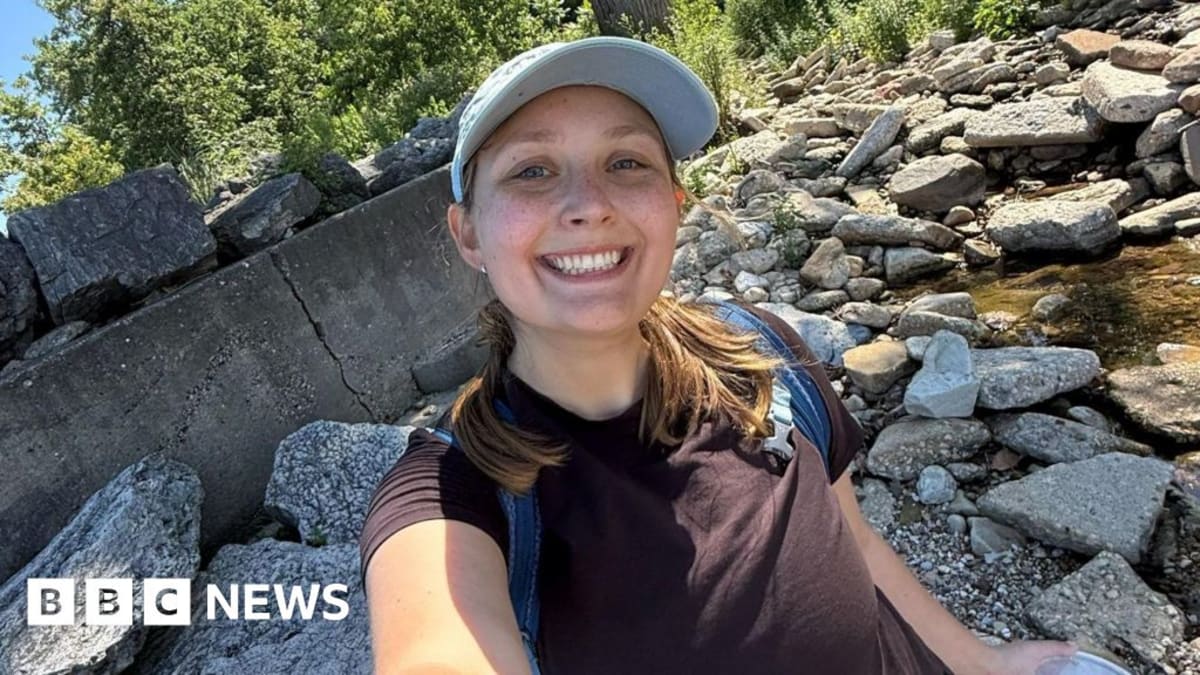
Megan Szostak inherited her grandfather's binoculars as a child, but the 26-year-old San Francisco birder now has something even more powerful in her pocket.
She's among 42 million people worldwide who have downloaded Merlin Bird ID, an app that can identify nearly 11,000 bird species by their appearance or song. This year alone, the app has been downloaded 12 million times.
The Cornell University app works like Shazam for birds. Point your phone's camera at a bird or let the microphone pick up its call, and machine learning technology tells you what you're looking at or hearing.
What started in 2014 as a tool that could identify just 285 species has grown into something far bigger. The app's Sound ID feature alone has logged 4.4 billion identifications.
Director Jessie Barry credits the growth to both artificial intelligence and a global community of birdwatchers who submit recordings. Their contributions help train the technology to recognize more species.
The app boom reflects a wider trend. Generation Z has flocked to nature reserves in growing numbers, embracing a hobby once considered reserved for retirees.
"The folks who are sharing their experiences with Merlin, talking how they're just getting started birding for the first time, might be making references like 'well now that I'm 30, I'm a bird watcher,'" Barry said. Market data shows competitor app Birda saw downloads jump 31% this year.
For Megan, the technology makes birding more inclusive. Some people bird with their eyes, others with their ears, and the app accommodates both approaches.
She shares her sightings on TikTok and Instagram, part of a Gen Z wave bringing birding to social media. "I think my biggest strength with it is slowing down and noticing," she said.
The Ripple Effect
The technology is inspiring creative offshoots that could benefit conservation. Sam Lewis, a 32-year-old software engineer from Stockport, built his own app called Lifer that gamifies birding with collectible cards illustrated by his partner.
His app hides precise locations of rare breeding birds during sensitive periods to protect vulnerable species. The virtual cards change based on image quality and bird rarity, borrowing ideas from games like Pokémon Go.
"They are real-life Pokémon, really, if you think about it," Lewis said. He hopes the gamification encourages people to get outdoors while contributing to conservation efforts.
Seasoned birdwatchers caution that apps don't always get identifications right, and some charities urge users not to rely solely on technology for official sightings. But for newcomers, the apps lower the barrier to entry.
Megan said the technology helps open up a hobby "people once thought was reserved for a very specific type of person with a specific set of knowledge." Now anyone with a smartphone can join millions of others discovering the joy of noticing the natural world around them.
More Images



Based on reporting by BBC Technology
This story was written by BrightWire based on verified news reports.
Spread the positivity!
Share this good news with someone who needs it