Bird Watchers Join Fight Against H5 Bird Flu in SA
South Australia is training 50 volunteer bird watchers to become frontline defenders against bird flu, turning passionate hobbyists into vital disease detectors. The program harnesses citizen scientists who already spend hours observing wildlife to help protect both wild birds and commercial poultry.
Bird lovers who already spend their days scanning skies and shorelines are getting specialized training to help protect Australia's feathered friends from a serious threat.
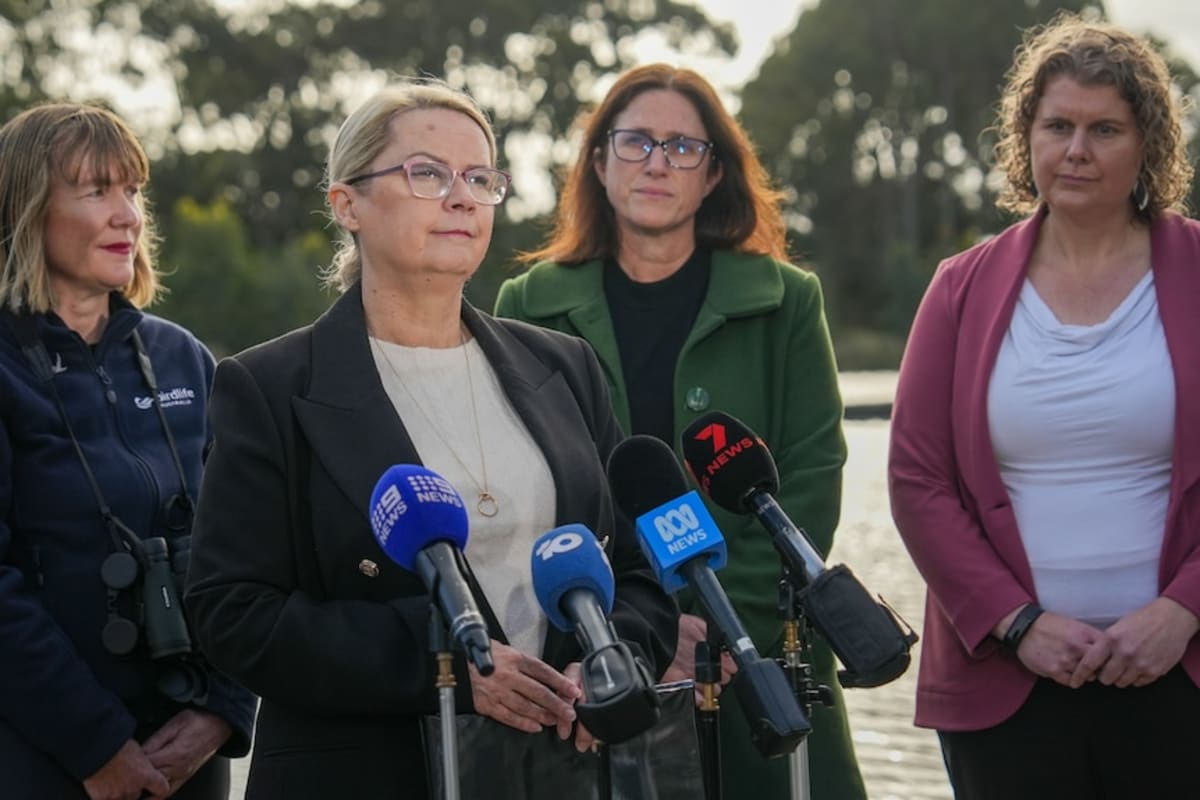
South Australia announced a new program today that will train 50 volunteers from conservation groups to spot early signs of H5 bird flu in wild birds. The initiative brings together members from BirdLife Australia, Birds SA, and the state's Conservation Council.
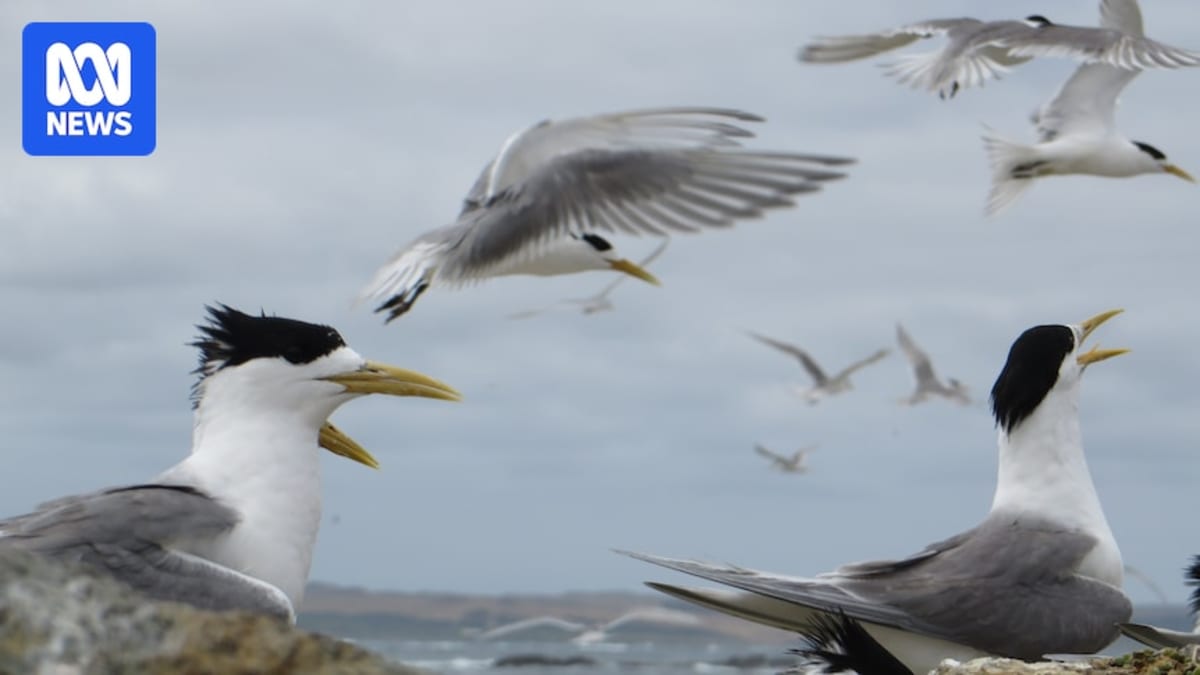
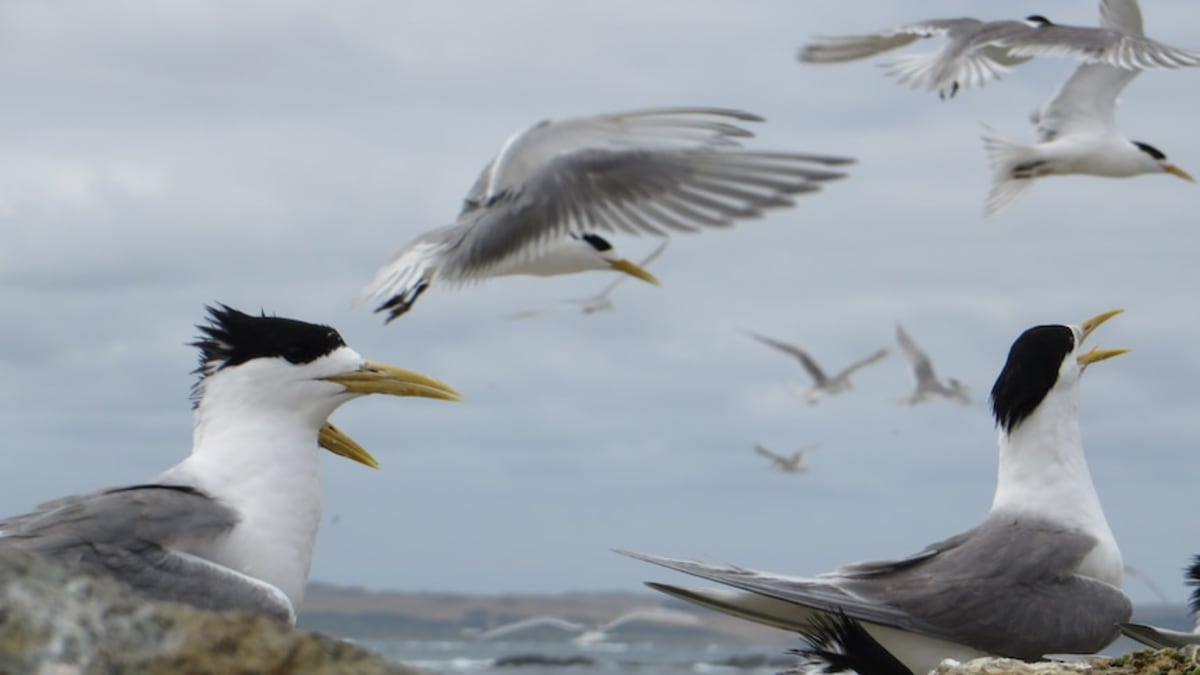
The training comes after five confirmed H5 cases in South Australia, including four in migratory giant petrels and one in a greater crested tern last week. Across Australia, 13 cases have been confirmed so far.
Primary Industries Minister Clare Scriven said the volunteers bring invaluable expertise to the table. These are people who already know bird behavior intimately and spend countless hours in the field watching wildlife. Now they'll learn to identify specific warning signs like birds unable to stand or fly, head swelling and discoloration, or respiratory distress.
Kate Millar, CEO of BirdLife Australia, said her organization saw this coming. They've been preparing volunteers for more than two years, knowing bird flu would eventually reach Australian shores. The question was never if, but when.
The training will be offered both online and in person. Volunteers will learn to recognize symptoms while being reminded to keep their distance from sick birds. Any suspected cases get reported to the Emergency Animal Disease hotline, keeping everyone safe while expanding surveillance across the state.
The Ripple Effect
This partnership shows how everyday passion can become powerful protection. South Australia has thousands of conservation volunteers watching the Coorong and West Coast, creating a vast network of trained eyes that government agencies could never match alone. The initial 50 trainees are just the beginning. If needed, the program can expand rapidly to tap into that larger volunteer base.
The collaboration blends what volunteers already know about bird species and habitats with what government experts understand about disease patterns. That combination creates a surveillance system that's both wide reaching and deeply knowledgeable.
The good news continues: H5 hasn't been found in any commercial poultry operations, and it hasn't become established anywhere in Australia. Early detection by trained volunteers could help keep it that way, protecting both wild bird populations and the farming operations that feed the country.
These citizen scientists are proving that when communities and governments work together, armed with knowledge and guided by care, we can face environmental challenges head on and win.
More Images


Based on reporting by ABC Australia
This story was written by BrightWire based on verified news reports.
Spread the positivity!
Share this good news with someone who needs it