North Carolina Needs Drought Watchers. Anyone Can Join.
Over 1,000 volunteers across North Carolina are helping scientists track the state's drought by reporting daily rainfall conditions from their own backyards. The program welcomes everyone from elementary students to retirees.
When rain stops falling, the people who notice first aren't always the scientists with fancy equipment. Sometimes they're neighbors watching cracks form in their yard or farmers seeing crops struggle.
North Carolina needs those everyday observations right now. The state is facing an ongoing drought, and a volunteer program called CoCoRaHS (pronounced KO-ko-rozz) is recruiting citizen scientists to help track exactly where it's raining and where it isn't.
The Community Collaborative Rain, Hail and Snow Network works beautifully simple. Volunteers place rain gauges in their yards and report measurements daily through an online system. With over 1,000 North Carolina volunteers already participating, the network fills critical gaps that weather stations can't cover alone.
"I don't know if I can put a quantity on the value of having these observations," said Assistant State Climatologist Sean Heuser. "The applications are numerous."
The data helps meteorologists predict floods and improve forecasts. Local officials use the information to make smarter decisions about water restrictions. Farmers can adjust irrigation schedules based on real conditions in their specific areas.
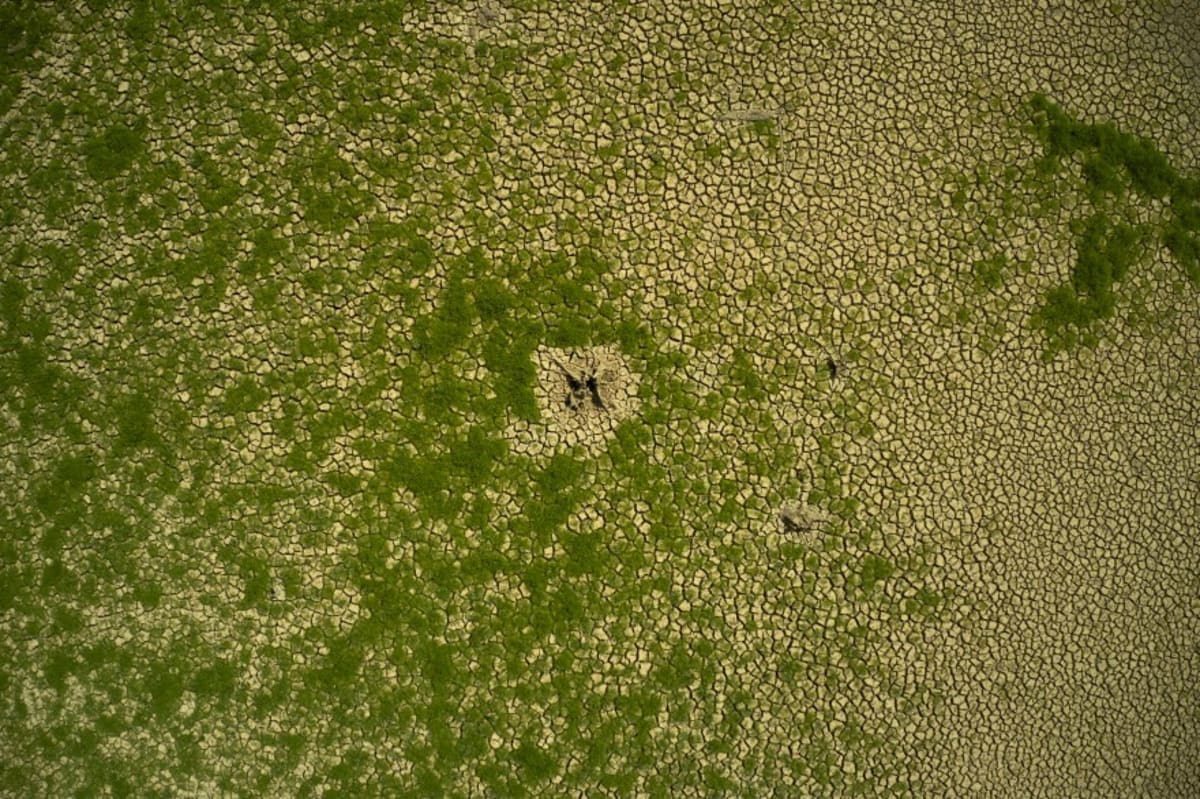
During droughts, volunteers submit condition reports describing what they see around them. Details like cracked soil, struggling crops, or weeks without rain give decision makers a clearer picture of what's actually happening on the ground.
The Ripple Effect
The beauty of CoCoRaHS reaches beyond data collection. Elementary school students measure rainfall as part of science lessons, learning how individual observations contribute to community knowledge. An 80-year-old retiree checks his gauge each morning, staying connected to important work.
These volunteers become the eyes and ears of climate science in their own neighborhoods. Their daily reports create a detailed map of weather patterns that benefits everyone from emergency responders to agricultural planners.
Getting started takes minutes. Volunteers sign up online, order an official rain gauge, and begin reporting observations from their location. No special training or scientific background required.
North Carolina's drought makes this volunteer work more valuable than ever, turning backyard observations into data that protects entire communities.
More Images

Based on reporting by Google: volunteers help
This story was written by BrightWire based on verified news reports.
Spread the positivity!
Share this good news with someone who needs it