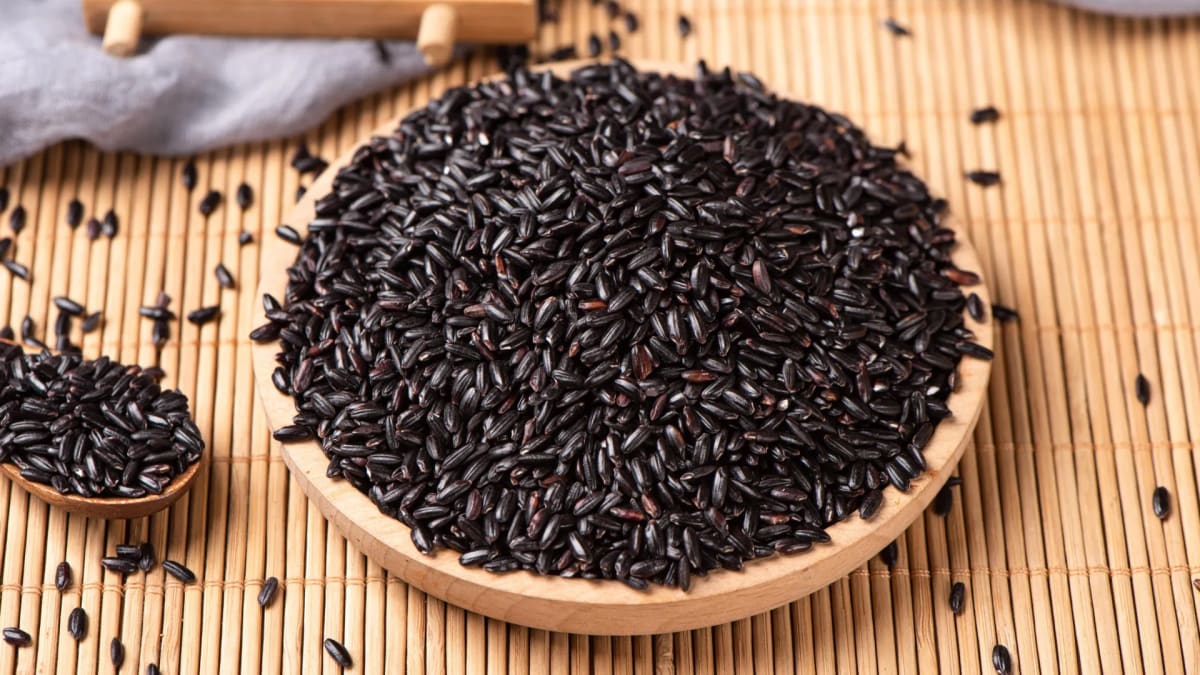
Black and Green Rice May Help Control Blood Sugar
Scientists in Japan discovered that black and green rice contain unique healthy fats and digest more slowly than white rice, potentially helping millions manage blood sugar naturally. The breakthrough marks the first time these beneficial compounds have been found in rice.
More than half the world eats rice every day, and scientists just discovered something surprising hidden in the colorful varieties that could help people manage their blood sugar better.
Researchers at Hokkaido University in Japan analyzed 56 types of japonica rice and found that black and green varieties contain special fats never before detected in rice. These pigmented grains also break down more slowly during digestion, which means they don't spike blood sugar as quickly as regular white rice.
The team identified 196 different fat molecules in the rice samples, even though fats make up less than 2% of each grain. Black and green rice stood out because they contained compounds called FAHMFAs and LNAPEs, which previous studies have linked to reduced inflammation and better metabolic health.
Lead researcher Associate Professor Siddabasave Gowda explains that these lipids are critical for nutrition, even in tiny amounts. They help maintain cell membranes, store energy, and support essential body processes that white rice simply doesn't provide in the same way.
The scientists didn't stop at identifying the fats. They recreated human digestion in their lab to see how different rice varieties affect blood sugar levels after a meal.
Black and green japonica rice produced a slower, more gradual rise in blood sugar compared to typical white rice. That gentler response could make these colorful varieties valuable tools for people managing type 2 diabetes or trying to prevent it.
Japonica rice is the short, slightly sticky type common in Japanese cuisine, representing about 15% of worldwide rice consumption. The varieties studied included brown, red, green, and black rice collected from across Japan.
Why This Inspires
This discovery shows how much we still have to learn about foods people have eaten for thousands of years. The research team has been on a mission to find hidden health benefits in everyday Japanese foods, previously discovering beneficial compounds in fish, herbal teas, and seaweeds.
The findings could help consumers make more informed choices about which rice to buy based on their health needs. More importantly, they open the door for developing new functional foods specifically designed to help people manage diabetes and other lifestyle-related conditions naturally.
Gowda hopes people will use this knowledge to choose rice varieties that best suit their health goals, turning an everyday staple into a tool for better wellness.
Rice feeds billions of people worldwide, and now we know some colorful varieties might be doing even more good than we thought.
Based on reporting by Health Daily
This story was written by BrightWire based on verified news reports.
Spread the positivity!
Share this good news with someone who needs it