Black and Latino Teens Beat Peers at Spotting Fake News
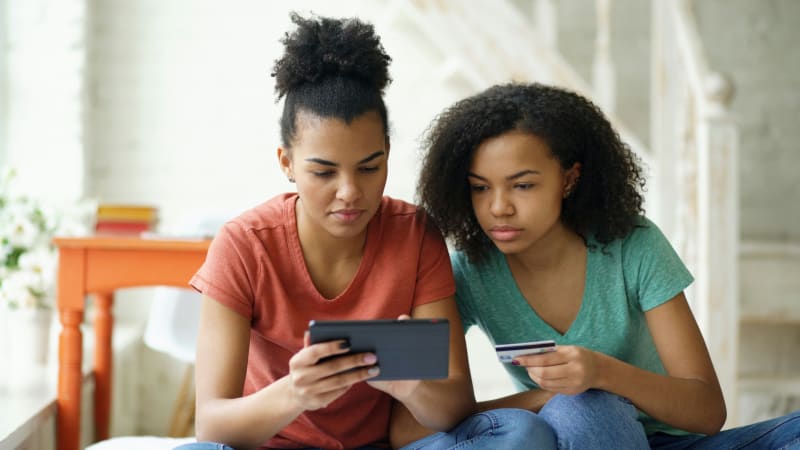
A groundbreaking UC Riverside study reveals Black and Latino teenagers significantly outperform white peers at identifying online disinformation, especially race-related content. Their secret weapon? Real-world experience navigating digital racism has made them naturally savvier online.
When it comes to spotting lies online, Black and Latino teens are leaving their white peers in the dust.
A new study from UC Riverside and USC just flipped decades of outdated assumptions on their heads. Researchers found that Black and Latino adolescents are significantly better at detecting fake news and racist propaganda online than white teenagers.
The skills go beyond just recognizing false information. These teens actively fact-check posts against credible sources and create their own content to correct misinformation spreading through their communities.
"This work reveals that adolescents of color are already engaging in sophisticated forms of digital literacy," said Avriel Epps, lead author and UC Riverside assistant professor. Nobody taught them these skills in a classroom.
The study, published in New Media & Society, tracked over 100 Black teens alongside similar numbers of Latino and white peers. Participants recorded daily how they analyzed and responded to race-related digital content.
The results revealed what researchers call Critical Race Digital Literacy. Black and Latino participants regularly challenged racist content by crafting their own posts calling out false information and sharing articles from reputable sources.
"These teens are often doing this work for their communities," Epps explained. "It's very possible they're posting accurate information about social justice movements or correcting harmful stereotypes because they feel a sense of responsibility."
The reason behind their digital savviness? Lived experience navigating a world where racial microaggressions happen constantly, both offline and online.
"They keep their eyes open and are hypervigilant," Epps said. "They have absorbed these skill sets from having to navigate a world where a racial microaggression could happen at any time."
White teens weren't less intelligent, researchers emphasized. They simply haven't needed to develop the same vigilance because they aren't targets of digital racism the way youth of color are.
Why This Inspires
This research does something rare and wonderful. It challenges deficit-based thinking that has long portrayed Black and Latino youth as somehow behind their peers.
Instead, it recognizes these teenagers as experts who've developed critical skills that all students desperately need in our misinformation-saturated world. Rather than asking how to "fix" these students, researchers are asking how schools can learn from them.
"Our goal is not to shift the burden but to recognize and honor the critical skills these young people already possess," Epps said. "We can either ignore that reality, or we can build on it to make education more relevant and just."
The timing couldn't be more important as fake news grows more sophisticated and schools struggle with whether and how to address race in classrooms. These young people are already showing us the way forward.
More Images
Based on reporting by Phys.org
This story was written by BrightWire based on verified news reports.
Spread the positivity!
Share this good news with someone who needs it