Black Licorice Compound Shows Promise for Gut Disease
Scientists discovered that glycyrrhizin, a natural compound in black licorice root, could protect intestinal tissue from inflammatory bowel disease damage. The breakthrough could lead to safer treatments for the half million people in the UK living with this chronic condition.
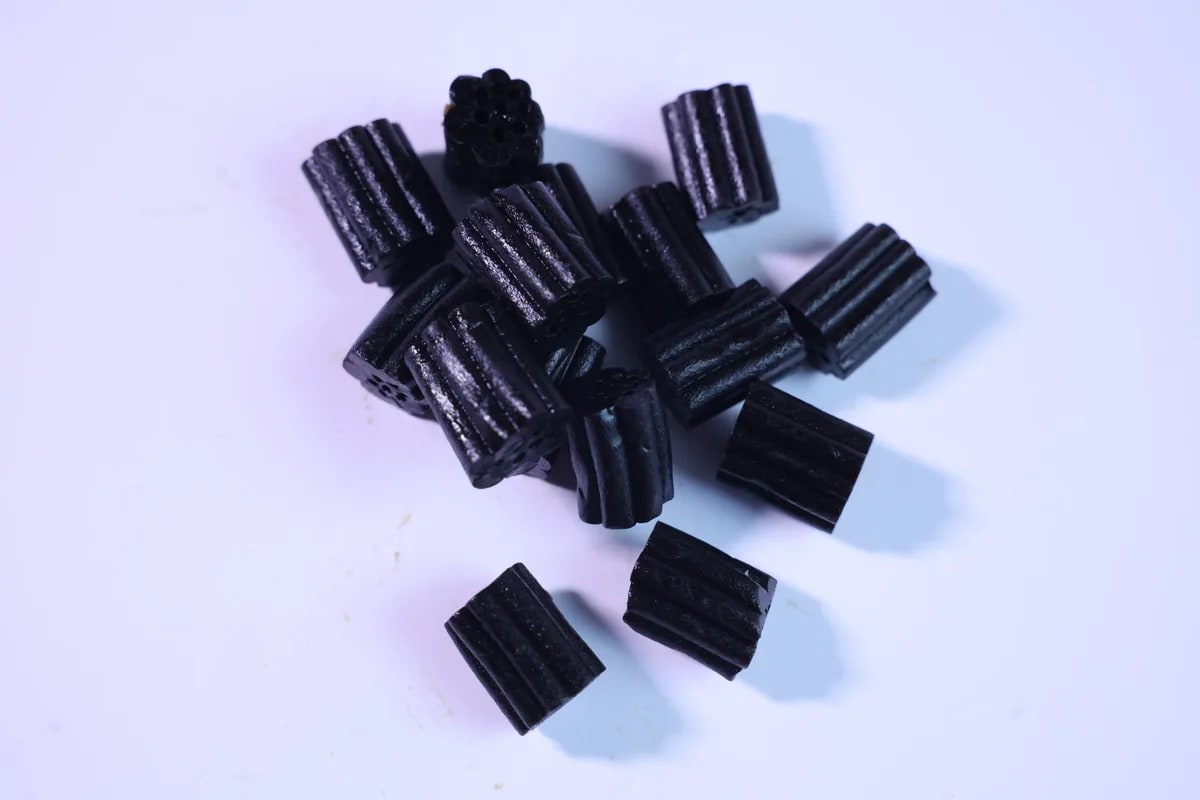
A compound found in the same root that flavored Victorian cough drops might help protect millions of people suffering from painful, lifelong gut disease.
Researchers using cutting-edge stem cell technology have identified glycyrrhizin, a natural substance in black licorice, as a promising treatment for inflammatory bowel disease (IBD). The compound significantly reduced intestinal cell death in lab-grown tissue and showed similar protective effects in mice.
IBD affects over half a million people in the UK and four million worldwide, causing chronic inflammation, severe pain, fatigue, and digestive damage. Current treatments often fail to provide lasting relief, with many patients experiencing serious side effects or watching their medications gradually lose effectiveness.
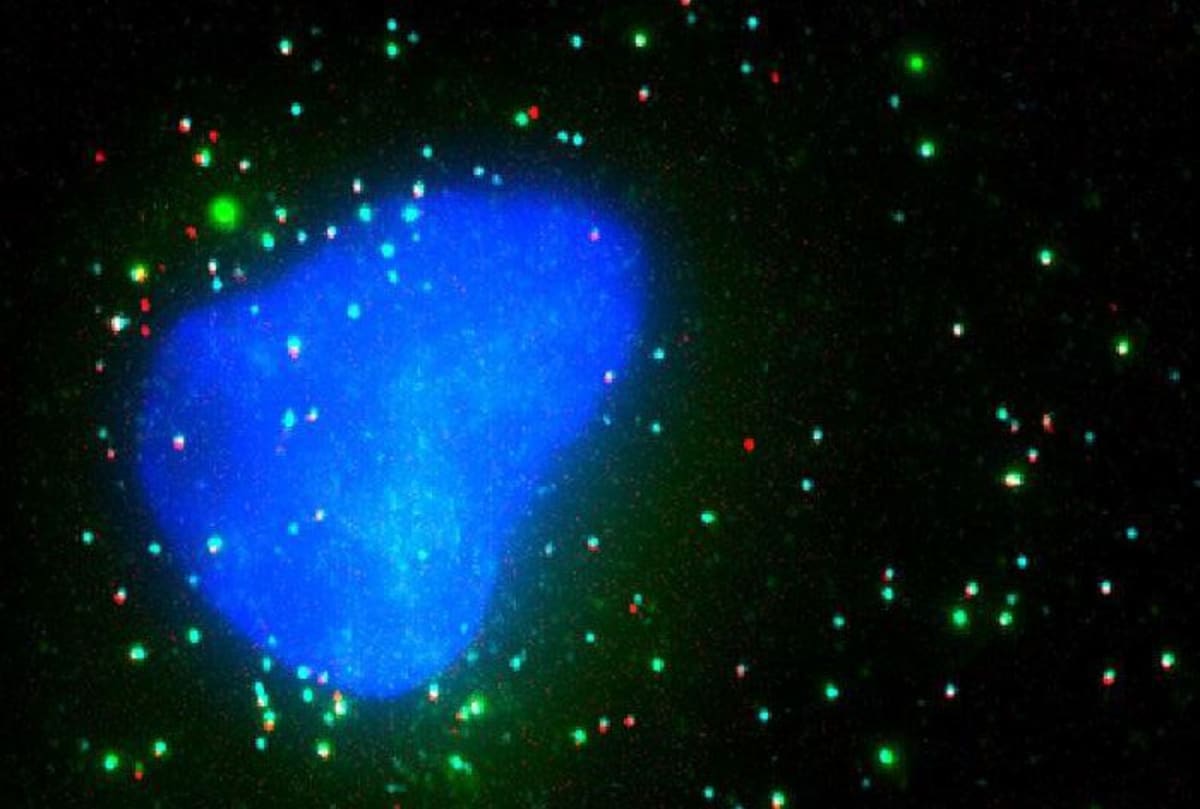
The research team created miniature lab-grown intestines using human stem cells to test how real human tissue responds during disease. They triggered inflammation in these organoid models and screened approximately 3,500 different compounds to find which ones prevented cell damage.
Glycyrrhizin stood out from the crowd. The compound not only reduced inflammation but actively protected intestinal cells from dying during inflammatory attacks, which could help the gut heal rather than just suppress symptoms.
This protection matters deeply because damage to the intestinal lining drives the worsening symptoms that make IBD so debilitating. By helping cells survive inflammation, glycyrrhizin supports actual repair of the gut tissue.
Previous studies of licorice-derived compounds have also shown benefits including regulating inflammatory pathways, strengthening the intestinal barrier, and improving gut bacteria balance. These multiple protective mechanisms make the compound particularly promising for a disease that attacks the digestive system from several angles.
Why This Inspires
This discovery represents exactly the kind of breakthrough IBD patients need. Instead of just managing symptoms with medications that might stop working, glycyrrhizin could actually protect and heal damaged tissue. The fact that scientists found this potential cure hidden in a plant humans have used medicinally for centuries shows how much hope still exists in nature.
The research team cautions that more studies are needed before treatments reach patients, and people should never self-medicate with large amounts of black licorice, which causes serious side effects in excess. Clinical trials will determine the right dosage and delivery method to harness glycyrrhizin's benefits safely.
For people living with IBD who have cycled through ineffective treatments, this research offers genuine hope that better therapies are on the horizon.
More Images
Based on reporting by Google News - Disease Cure
This story was written by BrightWire based on verified news reports.
Spread the positivity!
Share this good news with someone who needs it