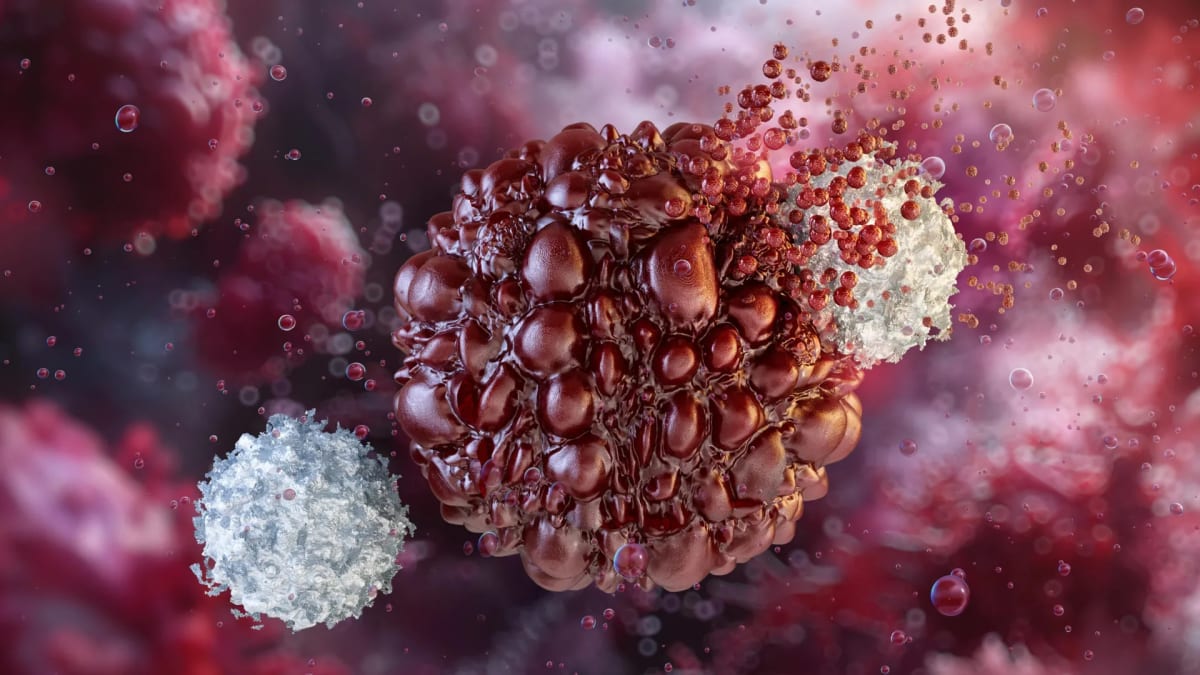
Black Licorice Compound Shows Promise for IBD Relief
Scientists in Japan discovered that a natural compound in black licorice could help millions living with inflammatory bowel disease. Using a breakthrough stem cell model, researchers found the sweet ingredient significantly reduced gut inflammation and cell damage.
A candy aisle staple might hold the key to helping 4 million people worldwide who struggle with painful inflammatory bowel disease.
Researchers at the University of Tokyo have identified glycyrrhizin, a natural compound found in black licorice, as a promising treatment for IBD. The discovery came after scientists developed a revolutionary new way to test potential therapies using stem cells grown into human intestinal tissue.
IBD causes chronic inflammation in the digestive tract, leading to persistent diarrhea, abdominal pain, and exhausting fatigue that disrupts daily life. Current treatments often fall short, leaving many patients without lasting relief even after trying multiple medications.
The research team, led by Dr. Yu Takahashi, created a lab-grown model of human intestines using stem cells. They exposed the tissue to the same inflammatory proteins that damage the guts of IBD patients, successfully recreating the disease conditions in the lab.
With their model ready, the scientists tested roughly 3,500 different compounds to find substances that could protect intestinal cells from inflammation and death. Glycyrrhizin emerged as one of the strongest performers.
The compound didn't just work in lab-grown tissue. When tested in mice with IBD, glycyrrhizin significantly reduced inflammation levels and prevented damage to intestinal cells, matching results seen in earlier studies.
The Bright Side
This breakthrough offers hope beyond just one potential treatment. The stem cell model itself represents a powerful new tool for discovering IBD therapies faster and more accurately than ever before.
Traditional drug screening methods often fail to predict how treatments will work in actual human intestines. By using stem cells to grow tissue that closely mimics real human gut conditions, researchers can now test thousands of compounds quickly and reliably.
The findings, published in Stem Cell Reports in May 2026, demonstrate how innovative laboratory techniques can accelerate medical discoveries. What once took years of trial and error can now happen in months with better accuracy.
Scientists emphasize that glycyrrhizin will need additional clinical studies to confirm it can safely and effectively treat IBD in people without harmful side effects. Black licorice itself can cause health problems when consumed in large amounts, so any therapeutic use would require careful formulation and dosing.
For millions living with the daily challenges of IBD, this research opens a promising new path toward treatments that actually work.
Based on reporting by Health Daily
This story was written by BrightWire based on verified news reports.
Spread the positivity!
Share this good news with someone who needs it