%2Ffile%2Fattachments%2Forphans%2Ftonyzimrhino1MatusadonaBlackRhinoTranslocation_RhinoinBomainMatusadonaNationalParkWikiWest_298300.jpg)
Black Rhinos Return Home to Zimbabwe After 30 Years
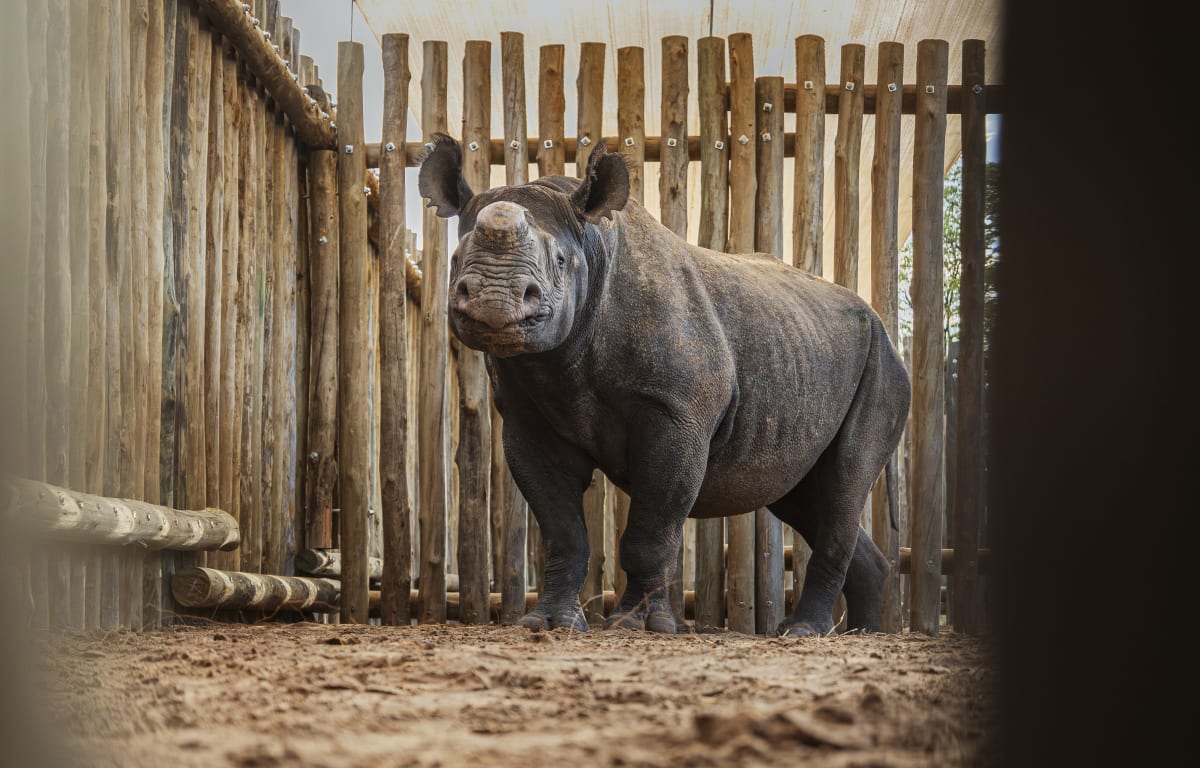
Three decades after fleeing poachers, black rhinos have returned to their ancestral home in Zimbabwe's Matusadona National Park. The animals are descendants of survivors rescued in a daring 1990s operation.
The last time Michael Pelham saw black rhinos in Matusadona National Park, he was loading them into crates to save their lives from poachers who had devastated their population. Now, 30 years later, he's welcoming their children home.
In the late 1980s and early 1990s, Zambian-based poaching gangs nearly wiped out Zimbabwe's northern black rhino population. Park officials launched Operation Stronghold, a desperate rescue mission that moved dozens of surviving rhinos to safer sanctuaries across central and southern Zimbabwe.
The gamble paid off. Those rescued animals thrived in their new homes, bred successfully, and preserved their unique genetic lineage through Zimbabwe's darkest conservation period.
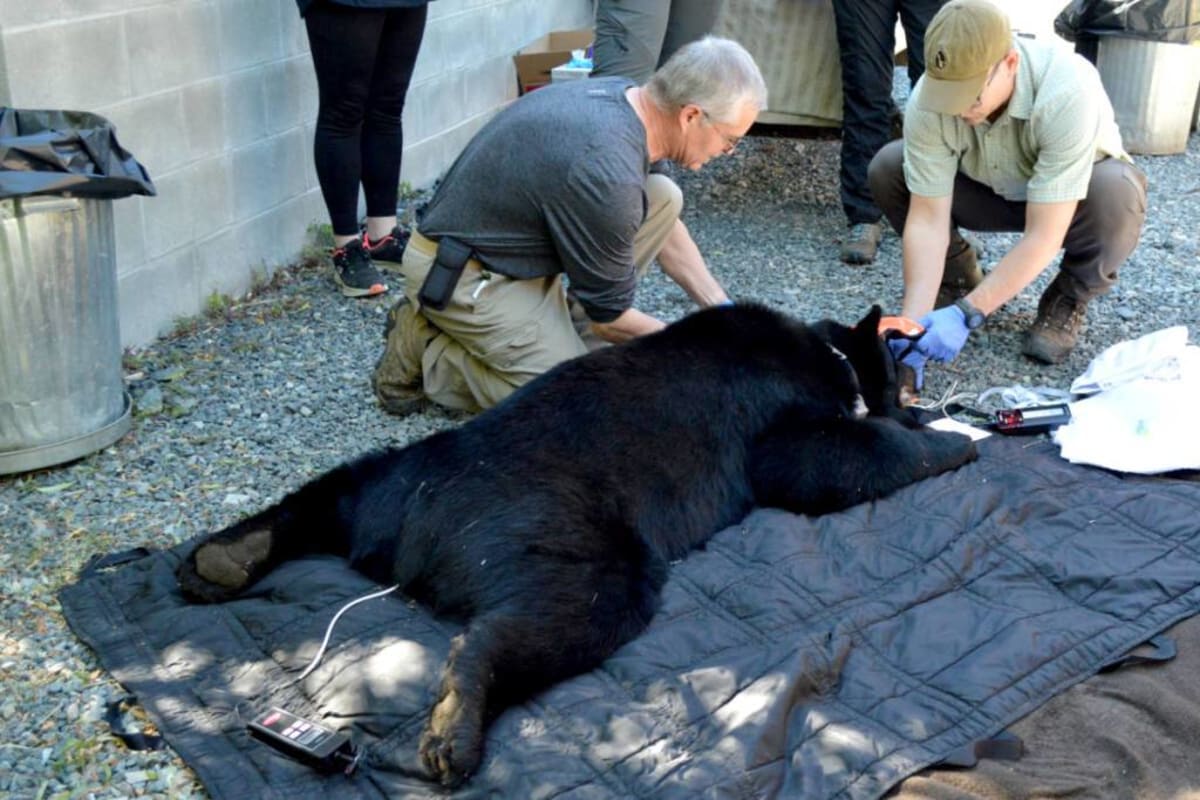
Now their descendants have returned to the 147,000-hectare Matusadona National Park on Lake Kariba's southern shores. Conservation teams transported the rhinos from three locations, including Imire Rhino and Wildlife Conservancy and Matobo National Park, using specially designed crates and aircraft.
Each rhino wears a tracking device that allows rangers to monitor their health and safety in real time. The animals are currently settling into protective enclosures before being released in phases into a secure Intensive Protection Zone.
The Ripple Effect
This homecoming represents more than just moving animals. It demonstrates how bold conservation action can reverse seemingly impossible losses.
African Parks now manages Matusadona in partnership with Zimbabwe Parks and Wildlife Management Authority. The collaboration brings international funding, advanced anti-poaching technology, and local expertise together to ensure these rhinos stay safe.
The European Union, Global Wildlife Fund, and private donors Thomas and Sara de Swardt funded the translocation. The Rhino Recovery Fund supported preliminary preparations.
For Pelham, now the park manager, the return feels surreal. He remembers the heartbreak of the 1990s, watching an icon vanish from landscapes where black rhinos had roamed for millennia.
Walking through Matusadona recently, he felt something missing. The park's ecosystem had a hole where these magnificent browsers once shaped the vegetation and maintained biodiversity.
Zimbabwe Parks Director-General Professor Edson Gandiwa called the return historic, proof that government agencies, conservation groups, and local partners can achieve remarkable outcomes when working toward shared goals.
The success offers hope for other species driven from their ranges by poaching, habitat loss, or conflict. With patience, protection, and collaboration, wildlife can reclaim lost ground.
More Images
%2Ffile%2Fattachments%2Forphans%2Ftonyzimrhino2MatusadonaBlackRhinoTranslocation_RhinoCratesbeingCarefullyOffloadedinMatusadonaWikiWest_816347.jpg)
%2Ffile%2Fattachments%2Forphans%2Ftonyzimrhino3BlackRhinocaptureinImireRhinoandWildlifeConservancyZimbabweMarcusWestberg62_396142.jpg)
Based on reporting by Daily Maverick
This story was written by BrightWire based on verified news reports.
Spread the positivity!
Share this good news with someone who needs it