Black Women Unite to Close Breast Cancer Survival Gap
A powerful panel of survivors and health experts shared breakthrough strategies helping Black women overcome the 38% higher breast cancer death rate through advocacy and early detection. Their message: knowledge and speaking up can save lives.
Fourteen years ago, Riki Fairley was told she had two years to live after advanced breast cancer returned following aggressive treatment. Today she's alive and leading the Touch Black Breast Cancer Alliance, proving that self-advocacy can literally save your life.
Fairley shared her survival story during a Word In Black webinar that brought together breast cancer survivors, doctors, and researchers to tackle a troubling reality. Black women are 38% more likely to die from breast cancer than white women, despite being slightly less likely to get diagnosed.
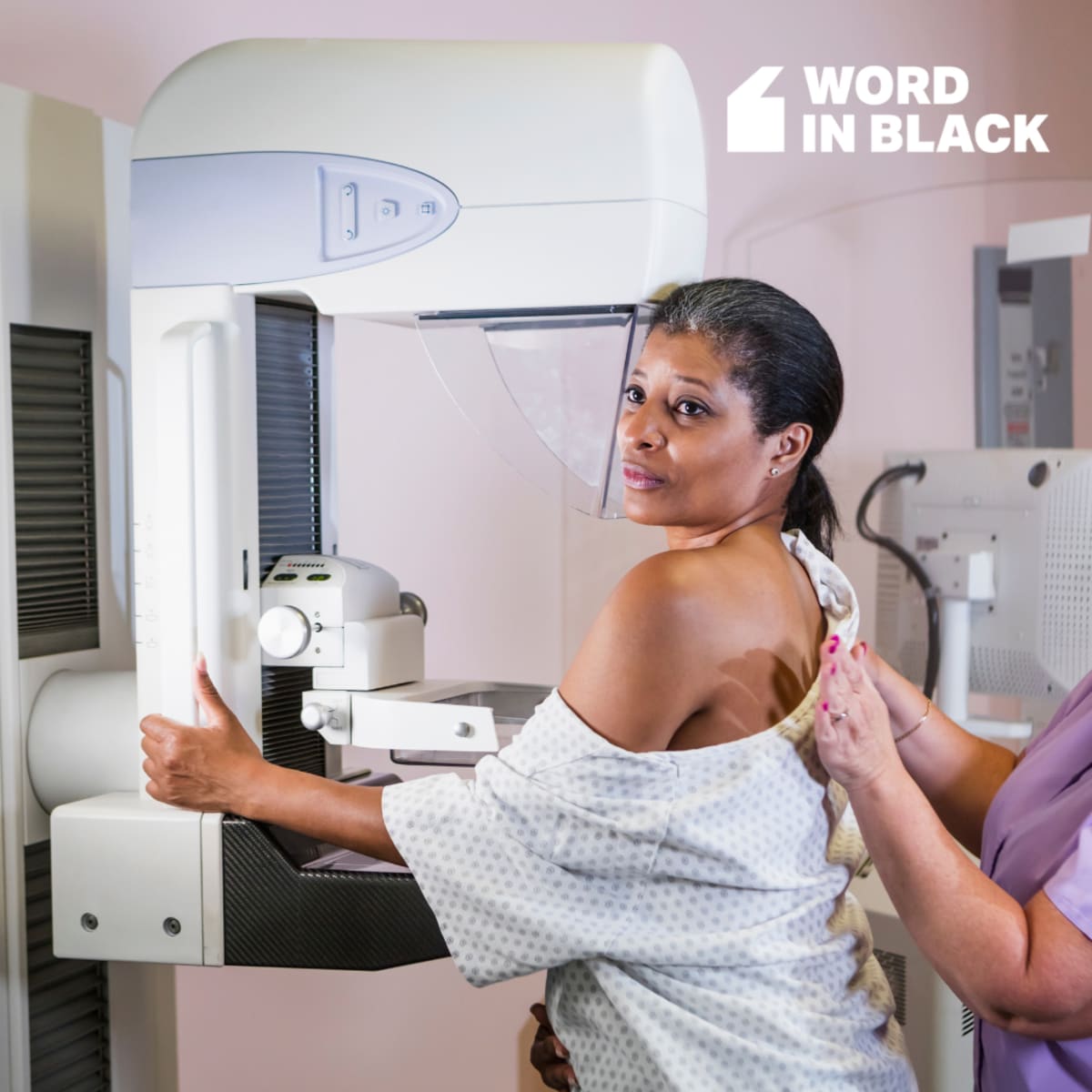
The numbers tell a complicated story. While overall cancer deaths have dropped for two decades thanks to early detection, Black women still get diagnosed younger and face worse outcomes. One barrier hitting hard: 60% of Black women report fear and anxiety about mammograms, according to a February survey presented at the event.
Dr. Uche Blackstock, an emergency medicine physician and health equity expert, pointed to systemic racism in healthcare as a key factor. She described how white doctors often don't listen to Black patients or adequately manage their pain. The medical system, she explained, hasn't done enough to remove barriers like lack of resources in Black communities.
Survivor Asha Miller revealed another critical obstacle: family silence. "I was diagnosed with breast cancer and several women in my family were also, but I didn't know that at the time because of the silence around it," she said. That missing health history can delay life-saving early detection.
But the panelists focused on solutions. They emphasized that Black women should remember they know their bodies best and must remind doctors of that fact. The research found that fact-based messaging with statistics works best to motivate women to schedule mammograms.
Fairley's story shows the power of fighting back. When her doctor said she had two years left, she refused to accept it. "I went to fight for myself," she said. "I found a clinical trial and a doc that would put me on that trial. I did a clinical trial drug, and I didn't die, and it's been 14 years."
Why This Inspires
This conversation represents a turning point in how Black women approach breast cancer. By breaking family silence about health histories, demanding better care from doctors, and sharing survival strategies, these women are creating a roadmap others can follow. The combination of personal advocacy and systemic change is already saving lives.
The panel stressed that lasting solutions require action at every level, from healthcare accountability to better screening access to stronger family communication. Black women are stepping into their power as health advocates, armed with facts and determination to change outcomes for future generations.
More Images

Based on reporting by Google News - Cancer Survivor
This story was written by BrightWire based on verified news reports.
Spread the positivity!
Share this good news with someone who needs it