Blood Test Could Detect Parkinson's 20 Years Early
Swedish and Norwegian researchers discovered a simple blood test that can detect Parkinson's disease up to two decades before symptoms appear. This breakthrough could help millions get treatment before major brain damage occurs.
Imagine catching Parkinson's disease before a single tremor appears, when treatments could actually stop it in its tracks. That future just got closer.
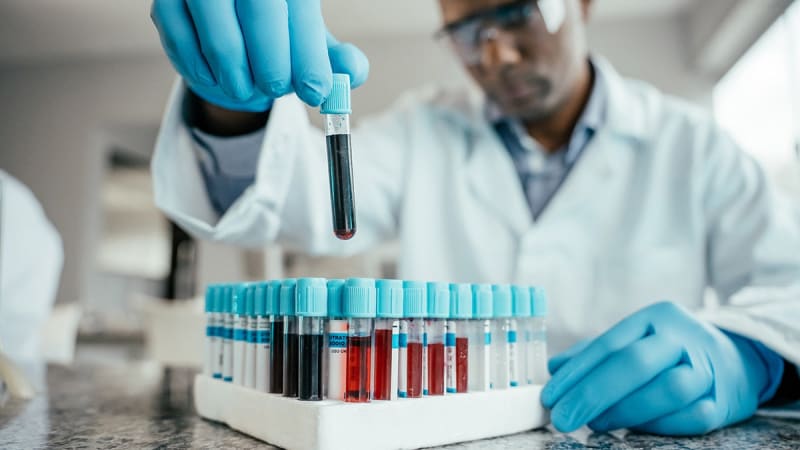
Researchers at Chalmers University of Technology in Sweden and Oslo University Hospital in Norway have developed a blood test that can detect Parkinson's disease up to 20 years before motor symptoms begin. The test identifies early warning signs in the blood related to DNA repair and cellular stress that happen long before the brain damage becomes severe.
The discovery matters because timing is everything with Parkinson's. By the time someone notices tremors or difficulty walking, 50% to 80% of the affected brain cells are already damaged or gone.
Using machine learning, the research team found specific patterns in blood samples that only appear in the early stages of the disease. These patterns disappear once Parkinson's progresses, creating a crucial window of opportunity for intervention.
Assistant Professor Annikka Polster, who led the study, calls it an important breakthrough for early detection. The blood test approach is cost effective and easily accessible, making it practical for broad screening programs.
The team predicts that within five years, these early detection blood tests could become common in regular clinical practice. They're also hopeful about developing new drugs or repurposing existing medications to prevent or treat the disease based on what they're learning about these early mechanisms.
Why This Inspires
This research represents real hope for the 10 million people worldwide living with Parkinson's, including the 90,000 Americans diagnosed each year. It's the second most common neurodegenerative disease after Alzheimer's, and numbers keep rising.
Dr. Marc Siegel, Fox News senior medical analyst, called the research exciting because it opens doors for earlier and more effective diagnosis and treatment. The key is intervening before the irreversible damage happens.
The researchers acknowledge limitations. Blood tests only partly reflect what's happening in the brain, and medication use might affect results. But the foundation is solid enough to build on.
Finding Parkinson's early enough to stop its progression would transform millions of lives.
More Images



Based on reporting by Fox News Health
This story was written by BrightWire based on verified news reports.
Spread the positivity!
Share this good news with someone who needs it