Blood Test for Alzheimer's Now Closer Thanks to S. Korea
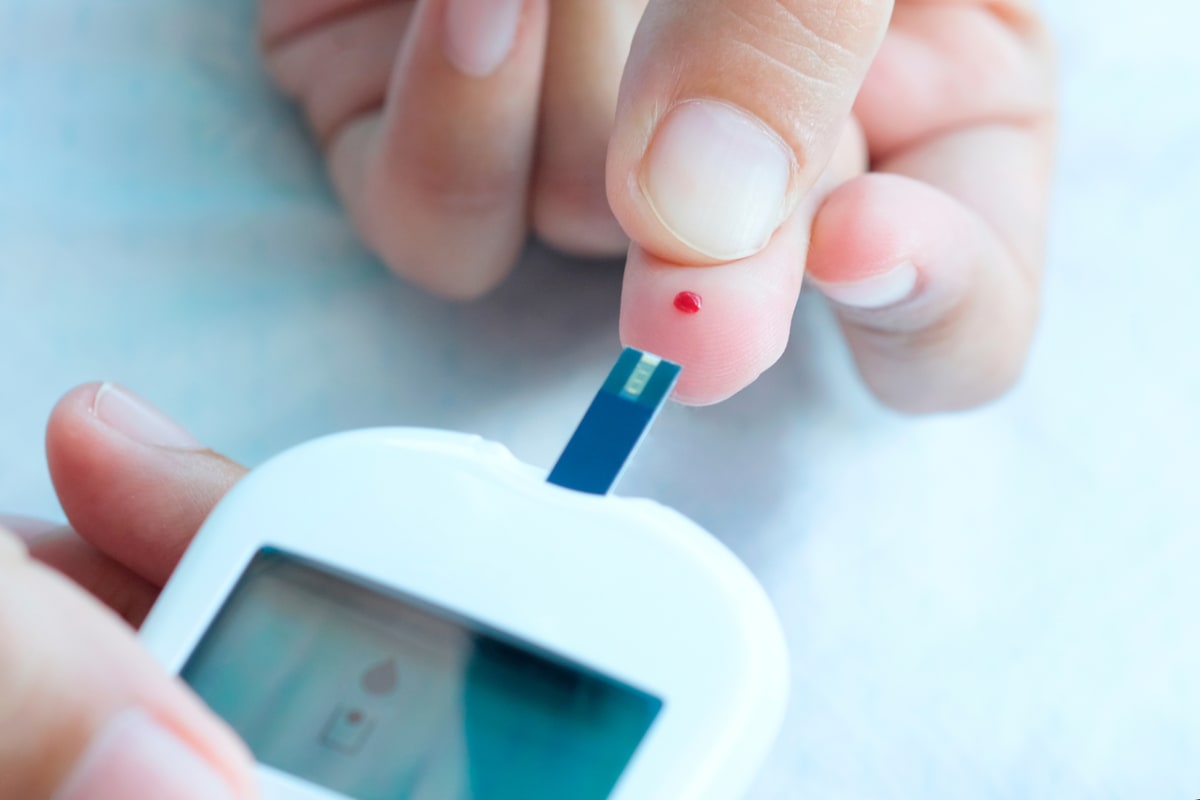
South Korean scientists just solved a major obstacle blocking simple blood tests for Alzheimer's disease. Their breakthrough sensor can detect disease markers even in real blood samples.
Scientists in South Korea have cracked a longstanding problem that's been holding back simple, affordable blood tests for Alzheimer's disease.
Researchers from Kyonggi University and the Korea Research Institute of Standards and Science developed a new biosensor that can actually work in real blood. Previous sensors struggled because of something called the Debye screening effect, where charged particles in blood create an invisible shield that blocks the electrical signals sensors need to detect disease markers.
Think of it like trying to hear a whisper in a crowded, noisy room. The salt and other charged particles in blood create so much "noise" that tiny disease markers become nearly impossible to detect.
The team solved this by creating special grooves at the nanoscale level on their sensor's surface. These tiny channels change how the charged particles behave right at the sensor's surface, letting it pick up signals even in the noisy environment of real blood or plasma.
To test their invention, the researchers focused on tau protein, a key biomarker for Alzheimer's disease. The new sensors detected tau protein accurately across a wide range of concentrations, maintaining strong performance even under the challenging conditions found in actual human blood.
The breakthrough matters because current Alzheimer's testing often requires expensive brain scans or invasive spinal taps. A simple blood test could make early detection accessible to millions more people, catching the disease when treatments work best.
The Ripple Effect
The sensor's design also makes it practical for widespread use. The researchers achieved precise patterning over large areas, which means the sensors could be manufactured affordably and at scale.
This approach could extend beyond Alzheimer's to detect other diseases through blood tests. The same technology might one day help doctors quickly diagnose cancer, heart disease, or infections right in their offices, without sending samples to distant labs.
The study was published in Advanced Functional Materials, marking another step toward next-generation diagnostic systems that combine high sensitivity with real-world practicality.
Early detection saves lives, and this South Korean innovation just brought that possibility closer for millions facing Alzheimer's disease.
More Images



Based on reporting by Google News - South Korea Breakthrough
This story was written by BrightWire based on verified news reports.
Spread the positivity!
Share this good news with someone who needs it