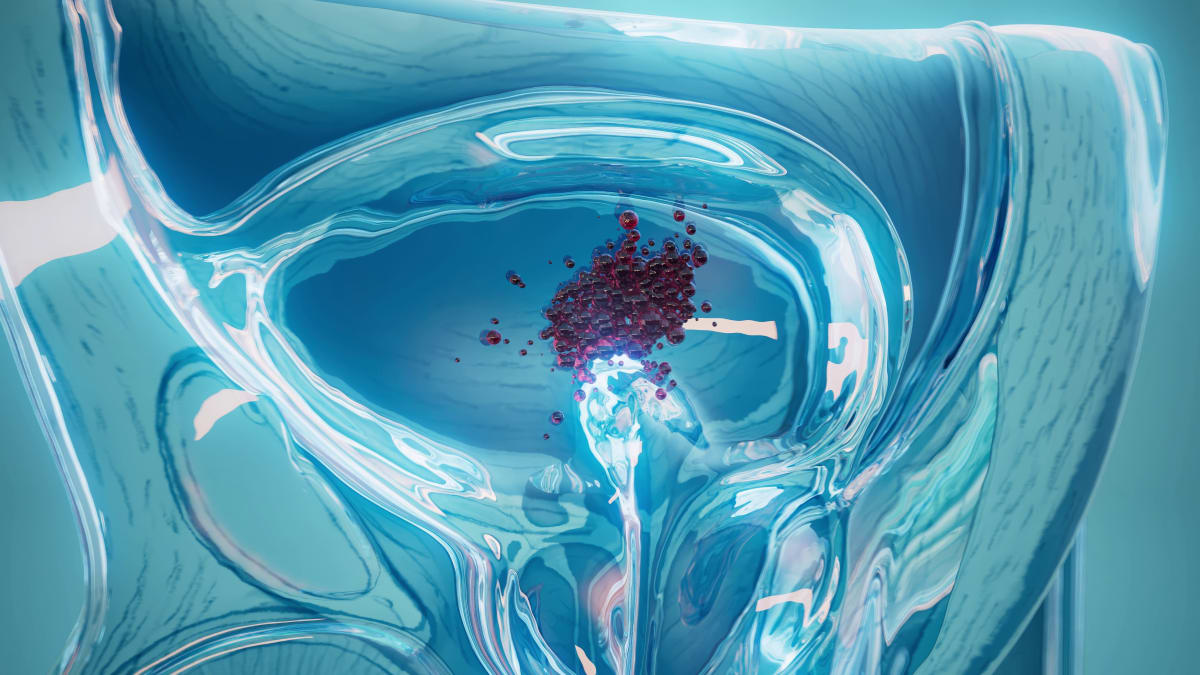
Blood Test May Predict Bladder Cancer Treatment Success
Scientists discovered why some bladder cancer patients don't respond to immunotherapy by linking common blood markers to immune suppression inside tumors. The breakthrough could help doctors identify resistant cases earlier and develop better combination treatments.
A simple blood test might soon help doctors predict which bladder cancer patients will respond to immunotherapy, thanks to a major breakthrough from Mount Sinai researchers.
Scientists at the Icahn School of Medicine at Mount Sinai have uncovered a crucial connection between inflammation markers in the bloodstream and immune suppression within tumors. The discovery explains why immunotherapy, which has transformed bladder cancer care for many patients, still fails to help others.
The research team focused on two inflammation markers that show up in routine blood tests: C-reactive protein (CRP) and interleukin-6 (IL-6). While doctors have long known that high levels of these markers signal worse outcomes, no one understood exactly how they related to what was happening inside tumors.
The team discovered that elevated CRP and IL-6 levels point to a specific type of immune cell lurking within tumors called SPP1+ macrophages. These cells actively block T cells, the immune system's cancer fighters, from doing their job. When T cells get shut down this way, immunotherapy drugs become far less effective.
"We found that common blood markers like CRP and IL-6 are not just general signs of inflammation," said Dr. Nina Bhardwaj, Director of Immunotherapy at Mount Sinai. "They reflect a specific immune process inside the tumor that may block treatment."
To reach these conclusions, researchers created the largest single-cell atlas of bladder tumors ever assembled. They combined it with genetic data from multiple patient groups receiving immunotherapy and found that tumors from patients with high IL-6 levels were packed with the suppressive SPP1+ macrophages.
The team also identified a different type of macrophage marked by CXCL9 that actually helps activate T cells and strengthens immune responses. This finding suggests that not all inflammation is bad, some immune activity supports cancer fighting.
The Ripple Effect
The implications reach far beyond bladder cancer patients. This framework of using blood tests to peek inside tumors before treatment begins could change how doctors approach immunotherapy across multiple cancer types.
Clinical trials are already underway testing drugs that target IL-6 signaling alongside immunotherapy. For the estimated 82,000 Americans diagnosed with bladder cancer each year, these combination approaches offer new hope when standard treatments fall short.
Dr. Matthew Galsky, Deputy Director of the Mount Sinai Tisch Cancer Center, noted that these commonly used blood tests could become powerful predictive tools. "This framework may help identify patients who are more likely to have resistance to immunotherapy and support testing new combination treatment strategies," he said.
The research team continues studying SPP1+ macrophages to understand exactly how they suppress immune responses and how future therapies might block or reprogram them. For patients facing bladder cancer today, this work provides both a clearer explanation of treatment resistance and a roadmap toward more personalized, effective care.
More Images
Based on reporting by Google News - New Treatment
This story was written by BrightWire based on verified news reports.
Spread the positivity!
Share this good news with someone who needs it