Blood Tests Could Work Like Ketchup to Save Lives
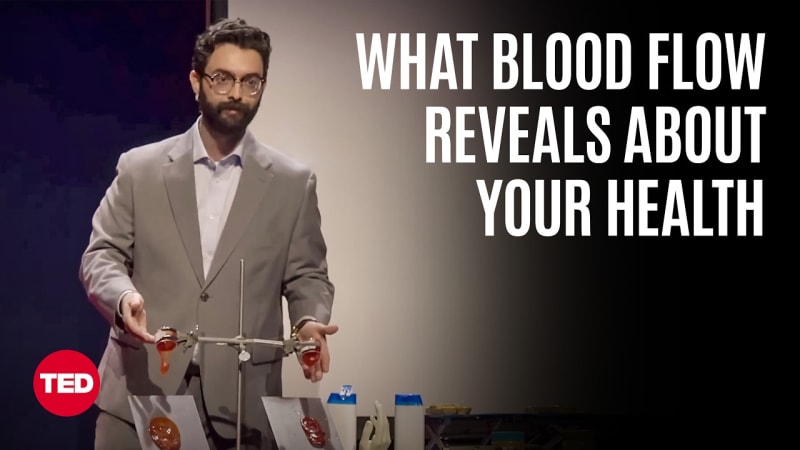
Chemical engineer Sean Farrington says measuring blood viscosity (how it flows) could become as common as checking blood pressure. His TED talk explains how the science of flow in everyday products could revolutionize medical diagnostics.
Your blood has something surprising in common with the ketchup bottle in your fridge. Both should flow smoothly when needed, and that flow could save your life.
Chemical engineer Sean Farrington delivered a TED talk explaining how blood viscosity (its thickness and flow) deserves the same medical attention we give blood pressure. The little-known field of rheology studies how substances flow, from shampoo to peanut butter to the blood pumping through your veins.
Farrington demonstrated how everyday products behave differently under pressure. Ketchup flows when you shake it, peanut butter spreads when you apply force, and shampoo slides smoothly from the bottle. These same principles apply to blood moving through your body.
Here's why it matters: blood that flows poorly can signal serious health problems before other symptoms appear. Thick, sluggish blood might indicate diabetes, inflammation, or cardiovascular disease. Thin, watery blood could point to anemia or clotting disorders.
Current medical practice focuses heavily on blood pressure but largely ignores viscosity. Farrington argues this overlooks a vital diagnostic tool that's been hiding in plain sight.
The Bright Side
The technology to measure blood viscosity already exists. Unlike some medical breakthroughs requiring decades of development, this innovation needs awareness more than invention. Doctors could start incorporating viscosity measurements into routine checkups using existing tools.
Early detection through viscosity testing could catch diseases when they're most treatable. A simple flow test might reveal health issues months or years before traditional diagnostics, giving patients a crucial head start on treatment.
The approach is also remarkably simple. Just as we've normalized blood pressure cuffs in every doctor's office, viscosity meters could become equally routine. No complex procedures, no invasive tests, just another standard measurement that paints a fuller picture of your health.
Farrington's message resonates because it transforms something familiar (ketchup!) into a lifesaving concept. Understanding that blood should flow properly seems obvious once explained, yet medicine has underutilized this insight for decades.
Medical schools could begin teaching rheology alongside traditional diagnostics, creating a generation of doctors who think about flow as instinctively as they think about pressure. Research funding could accelerate studies connecting viscosity patterns to specific diseases, building the evidence base that changes medical guidelines.
Taking blood flow seriously could mean catching diseases earlier, treating them more effectively, and saving lives with knowledge we already possess.
---
Based on reporting by TED
This story was written by BrightWire based on verified news reports.
Spread the positivity!
Share this good news with someone who needs it