Blue and Fin Whales Return 40 Years After Hunting Ban
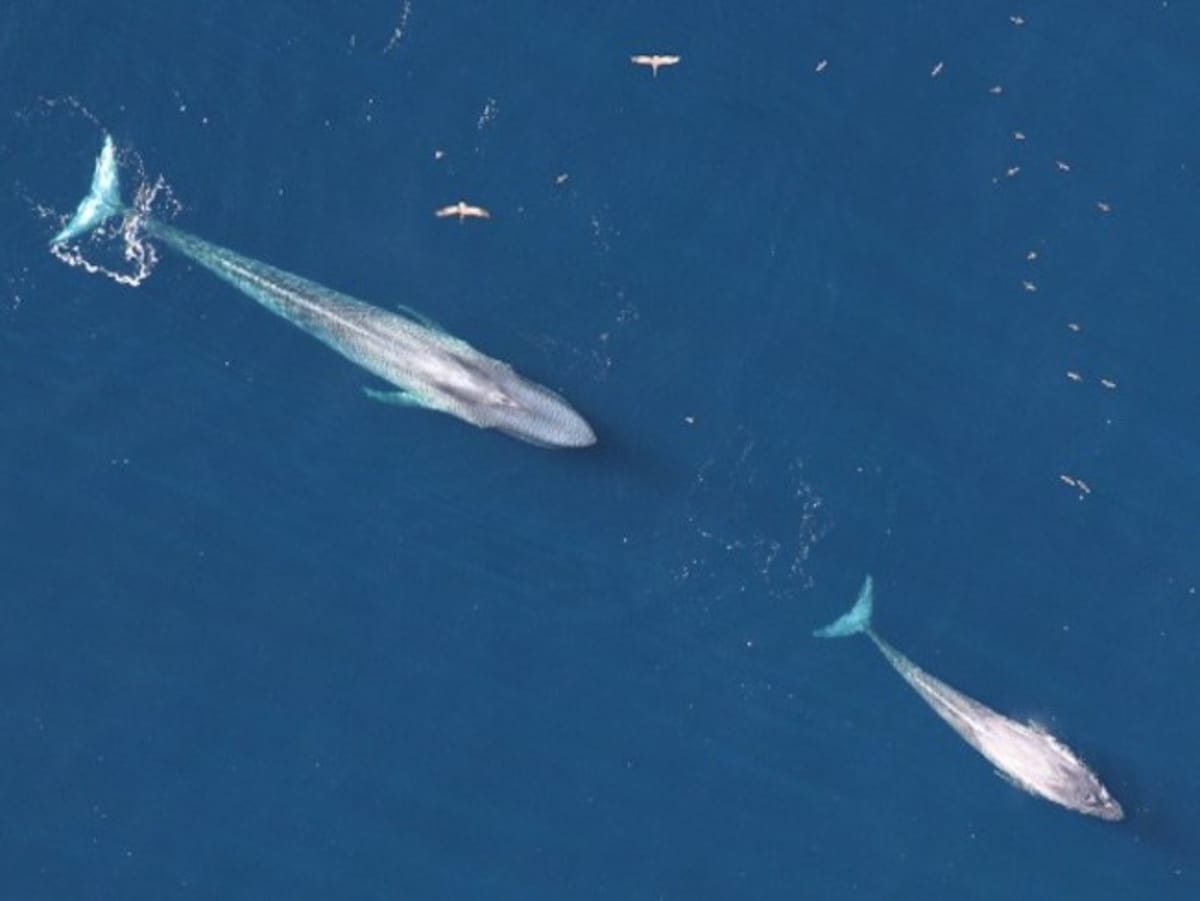
The world's two largest whale species are slowly coming back to life in waters where they were nearly wiped out. New research shows blue and fin whale sightings off Africa's coast have surged since 2012, offering hope that decades of protection are finally paying off.
More than four decades after commercial whaling ended, the ocean's giants are staging a remarkable comeback in the southeastern Atlantic.
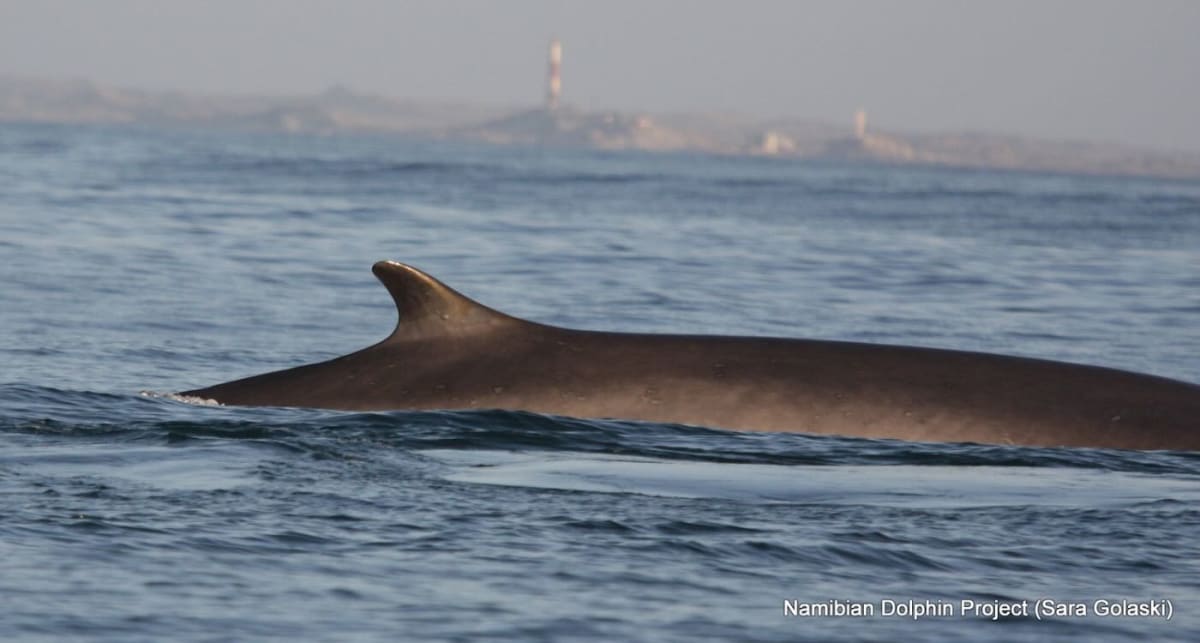
Researchers tracking whale populations off the coasts of Namibia and South Africa found something extraordinary. Out of 60 years of recorded sightings, 95% of blue and fin whale observations happened after 2012.
The numbers tell a devastating story of what was lost. Between 1913 and 1978, hunters killed an estimated 350,000 blue whales and 725,000 fin whales in Antarctic waters. The slaughter pushed both species to the edge of extinction.
Today, Antarctic blue whales remain critically endangered, with only 3% of their original population surviving. But that tiny remnant is growing by 5 to 8% each year.
Fin whales have fared slightly better, recovering to about 30% of historical numbers and increasing by 4 to 5% annually. They're now classified as vulnerable rather than endangered.
Dr. Bridget James from the University of Cape Town led the research team that compiled every verified sighting and stranding between 1964 and 2025. They focused on the Benguela upwelling ecosystem, a nutrient-rich region that historic whaling data suggests may have once been an important nursery.
The results were modest but meaningful. Scientists documented just 12 blue whale sightings and 76 fin whale encounters over six decades. Blue whales appeared most often between late spring and autumn, while fin whales showed up year-round.
The Ripple Effect
The whales' slow return signals something bigger than numbers climbing on a chart. As these massive creatures reoccupy their historical range, they're rebuilding ocean ecosystems that have functioned without them for generations.
Their recovery also proves that protection works, even when the damage seems irreversible. After being hunted to near extinction, these species are proving resilient enough to bounce back with human help.
The journey isn't over, though. Large whales still face threats from ship strikes, fishing gear entanglement, and climate-driven changes to ocean ecosystems. Researchers are calling for expanded acoustic monitoring and better marine spatial planning to protect migration routes.
Dr. Simon Elwen from the University of Stellenbosch notes that increased offshore observation efforts may be catching whales that were already there. But the pattern matches what scientists expect to see during gradual recovery.
With continued protection and careful management, these ocean giants have a fighting chance at reclaiming the waters they once ruled.
More Images



Based on reporting by Good News Network
This story was written by BrightWire based on verified news reports.
Spread the positivity!
Share this good news with someone who needs it