Blue Origin Reuses Rocket for First Time in Major Milestone
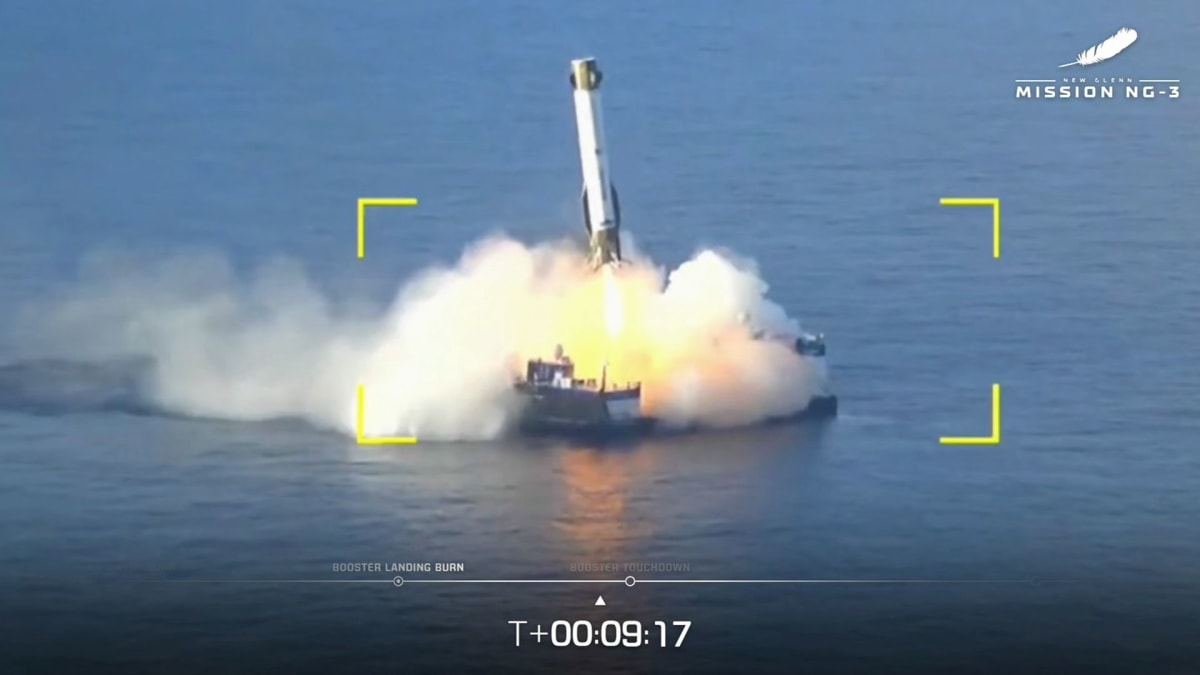
Jeff Bezos' Blue Origin just flew the same rocket booster twice, marking a breakthrough in making space travel more affordable and sustainable. The New Glenn rocket's first stage successfully launched, separated, and landed on a floating platform in the Atlantic Ocean after its second journey to space.
Blue Origin just proved that rockets can work like reusable airplanes, flying the same booster twice and landing it safely on a floating platform in the ocean. The achievement brings humanity one step closer to affordable, sustainable space travel that could benefit everything from climate monitoring to global internet access.
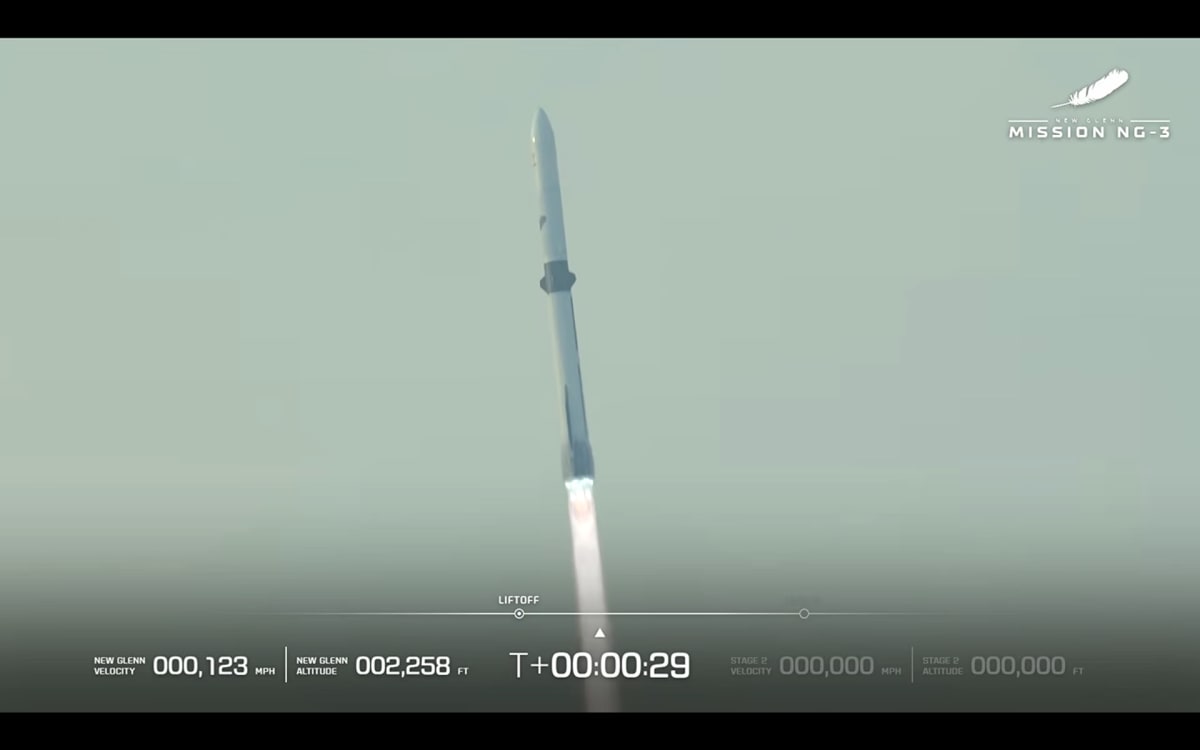
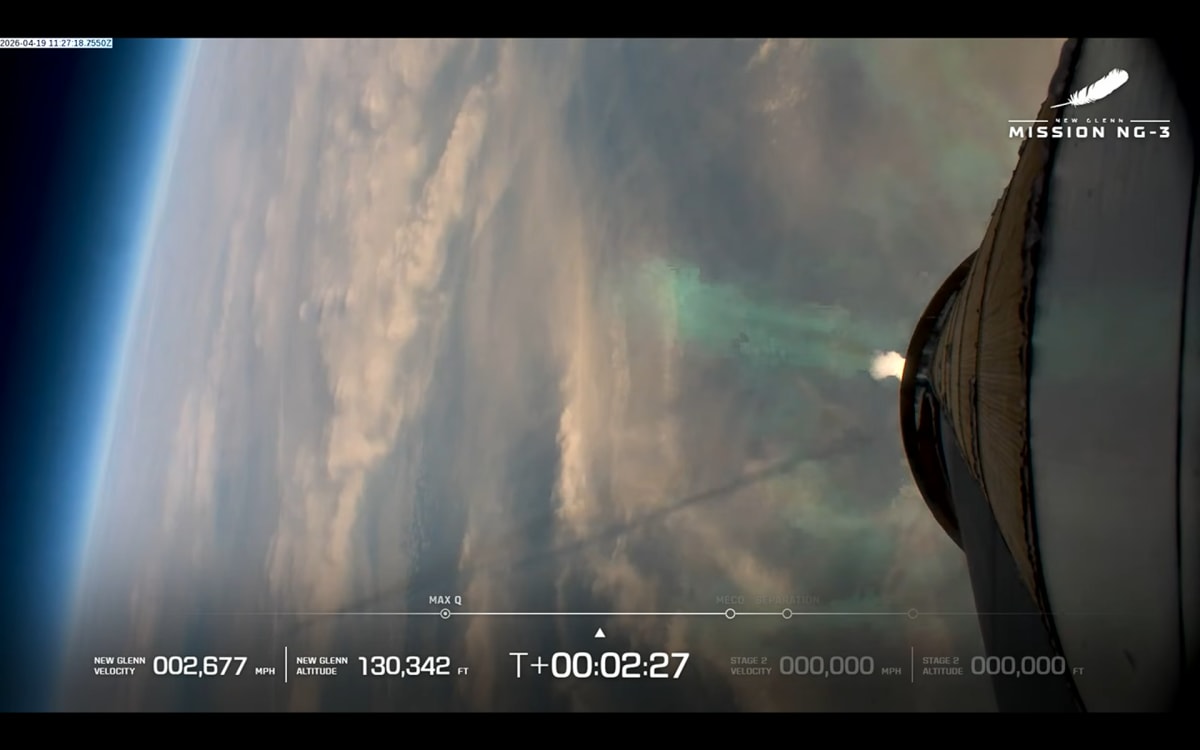
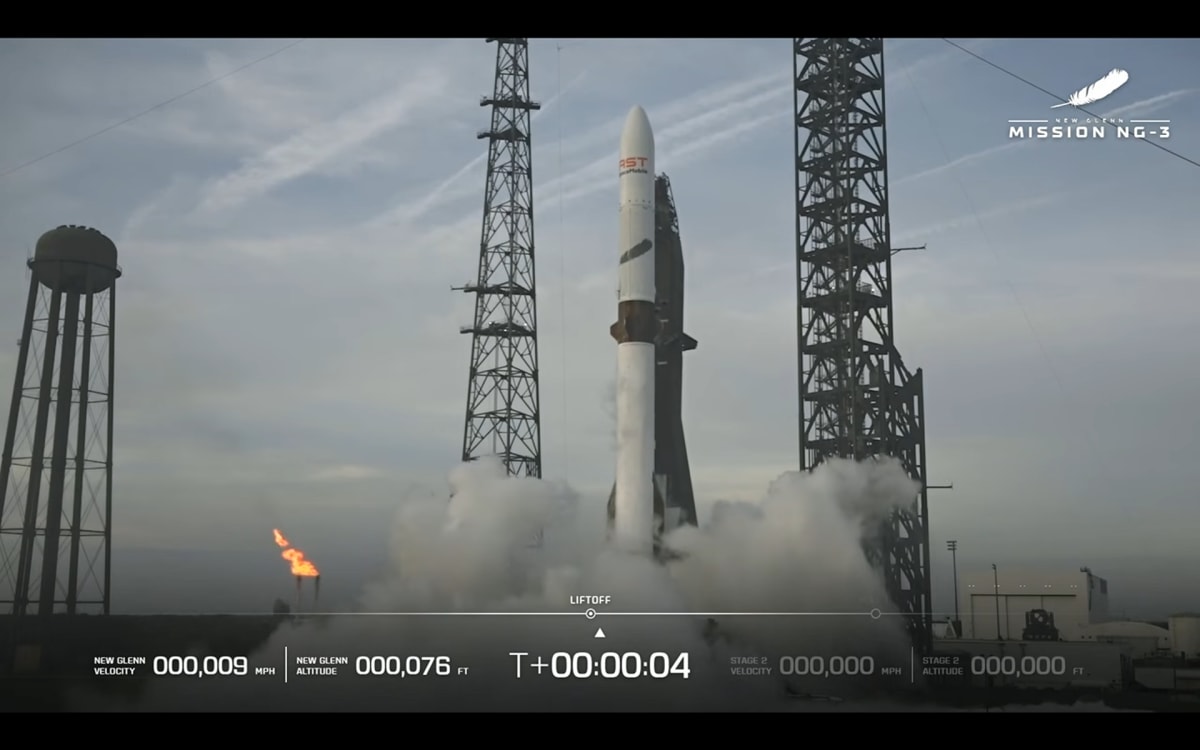
The company's massive New Glenn rocket lifted off Sunday morning from Cape Canaveral, Florida, carrying the same first stage booster that flew in November 2025. This time, engineers upgraded the heat shield on the rocket's base to better handle the scorching temperatures of reentry into Earth's atmosphere.
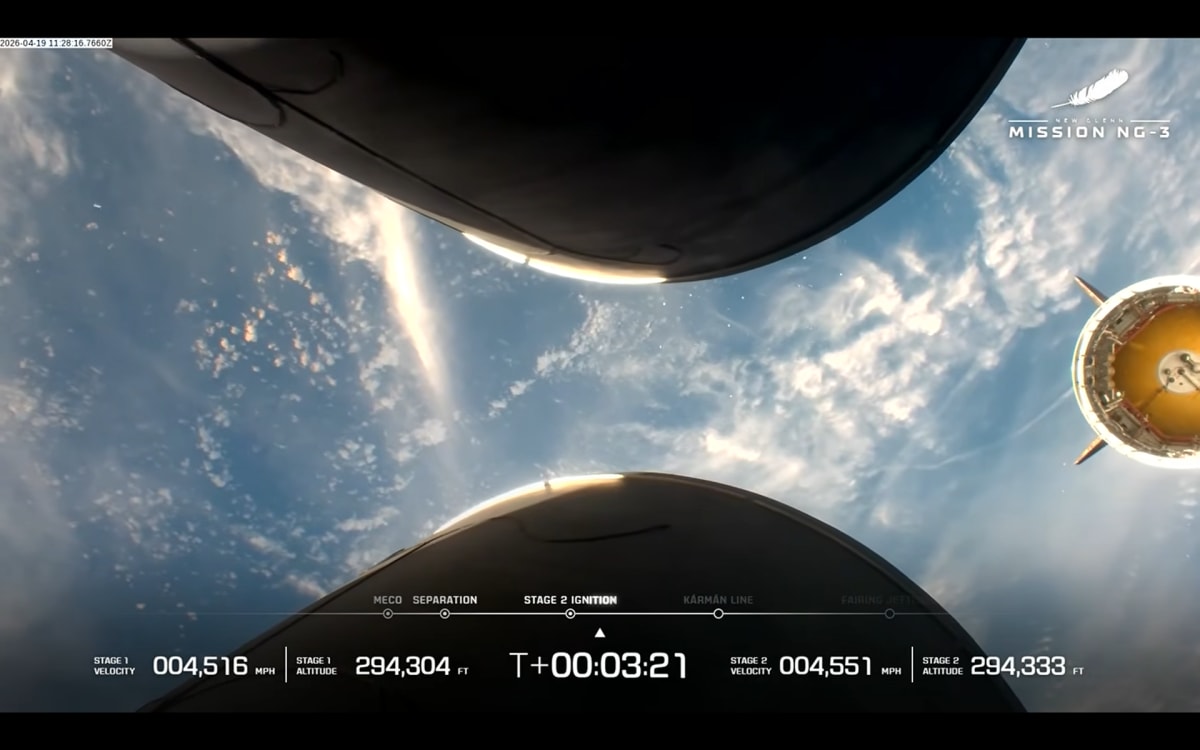
Workers at Blue Origin erupted in cheers as the 188-foot-tall booster separated from the rocket's upper stage about three and a half minutes into flight. Six minutes later, it touched down perfectly on the droneship "Jacklyn" waiting in the Atlantic Ocean.
"We made a few tweaks with respect to how the rocket actually reenters," said Jordan Charles, Blue Origin's vice president for New Glenn. The team also upgraded the guidance systems to improve the booster's ability to navigate back to its landing pad.
The Bright Side
Reusing rockets instead of throwing them away after one flight could slash the cost of reaching space by up to 90 percent. SpaceX has proven this model works, flying some boosters more than 20 times, and now Blue Origin joins the club with its own reusable heavy-lift rocket.
Blue Origin designed New Glenn's first stages to fly at least 25 times each before retirement. That means the booster that landed Sunday, playfully named "Never Tell Me The Odds," has 23 more flights ahead of it if all goes according to plan.
Lower launch costs mean more satellites for disaster response, better weather forecasting, expanded internet access in remote areas, and more scientific research in orbit. What once cost hundreds of millions of dollars becomes accessible to universities, small countries, and innovative startups.
The reusability milestone also means less waste. Instead of building a new 188-foot rocket for every launch and letting it sink to the ocean floor, the same hardware can serve dozens of missions over several years.
This marks Blue Origin's second successful booster landing out of three attempts since New Glenn debuted in January 2025. The company now joins an exclusive group proving that the future of spaceflight is sustainable, reusable, and increasingly affordable for humanity's benefit.
More Images
Based on reporting by Google: SpaceX launch success
This story was written by BrightWire based on verified news reports.
Spread the positivity!
Share this good news with someone who needs it