Blue Origin Vows to Launch Again by End of 2026
Just days after a devastating rocket explosion, Blue Origin's CEO announced an ambitious six-month timeline to rebuild and return to flight. Despite skepticism, the company has federal support and a solid plan forward.
When a rocket explodes on the launch pad, most companies spend months just assessing the damage. Blue Origin is aiming to fly again in six months.
CEO Dave Limp shared surprisingly good news this week after completing a preliminary survey of the LC-36A launch site in Florida. The massive explosion on May 28 looked catastrophic, but critical infrastructure survived intact.
The propellant farm, oxygen tanks, liquid hydrogen systems, and LNG storage all emerged unscathed. These components typically require months or even years to manufacture and install, so their survival cuts the recovery timeline dramatically.
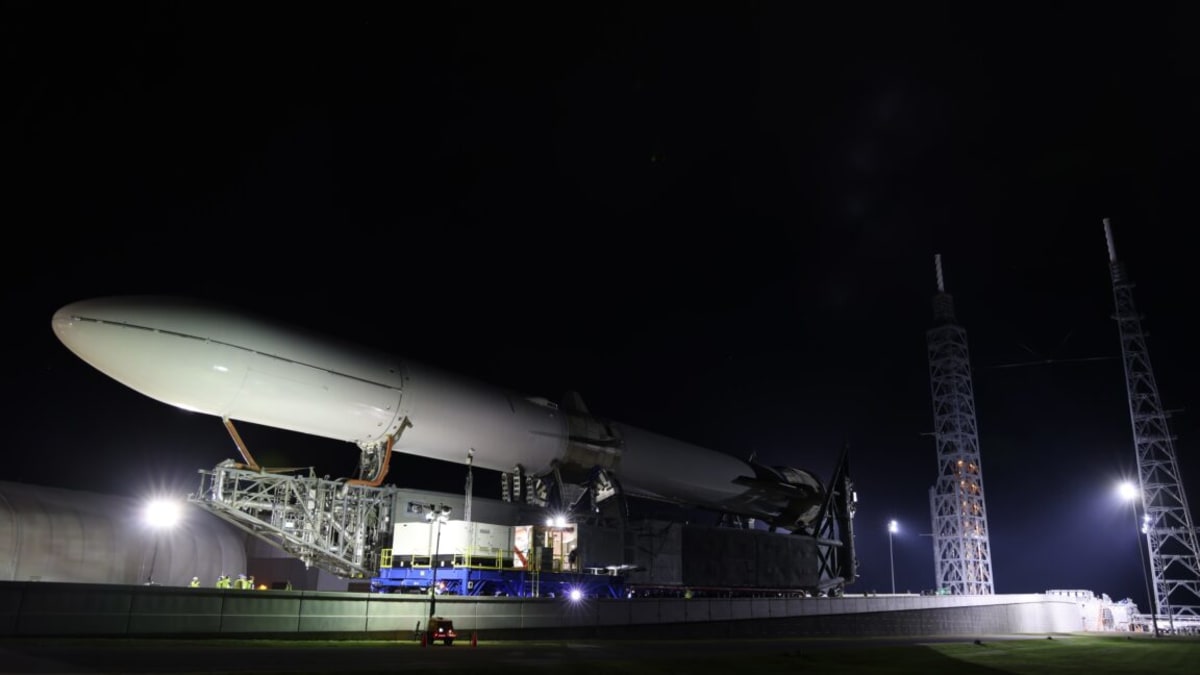
The transporter that moves rockets from the hangar to the pad was destroyed beyond repair. But Blue Origin had already been developing a new vertical transport system, and they're now accelerating those plans.
The company will rebuild the damaged LC-36A site rather than pivoting to a larger pad next door. This choice prioritizes speed over expansion, signaling Blue Origin's urgency to prove their New Glenn rocket can fly reliably.
Industry experts suggest a more realistic timeline sits between 12 and 18 months. The pad needs serious rework from its concrete foundation upward, requiring specialized welders and technicians in short supply.
The Bright Side
Blue Origin isn't tackling this comeback alone. NASA Administrator Jared Isaacman visited the site just one day after the explosion and pledged full support. The US Space Force, which manages Cape Canaveral's launch range, is also backing the effort with expedited reviews and federal resources.
The rocket itself has proven its capability. New Glenn has flown three times successfully, and its BE-4 engines have performed well across multiple missions. Engineers expect to identify and fix whatever caused the static fire test failure relatively quickly.
NASA's Artemis Program depends on New Glenn to launch the Blue Moon lander for cargo and eventually crewed missions to the lunar surface. A quick recovery keeps those ambitious moon plans on track while demonstrating that setbacks don't have to derail progress.
The aerospace industry is watching closely to see if Blue Origin can deliver on this aggressive promise. With government backing, solid infrastructure, and proven technology, they've got a fighting chance to turn disaster into a comeback story.
Six months might seem impossible, but Blue Origin is betting everything that impossible just means not done yet.
More Images



Based on reporting by Ars Technica
This story was written by BrightWire based on verified news reports.
Spread the positivity!
Share this good news with someone who needs it