Bolivia Discovers First New Wild Cat Species in 100 Years
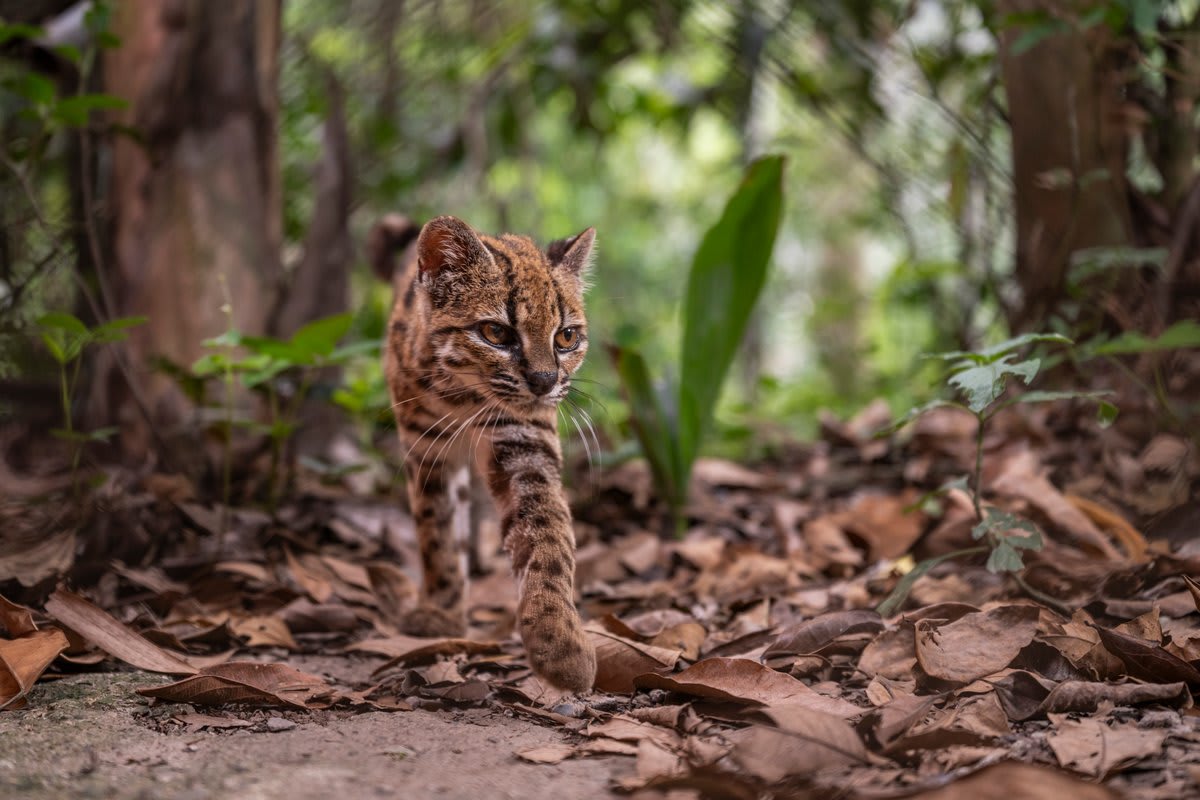
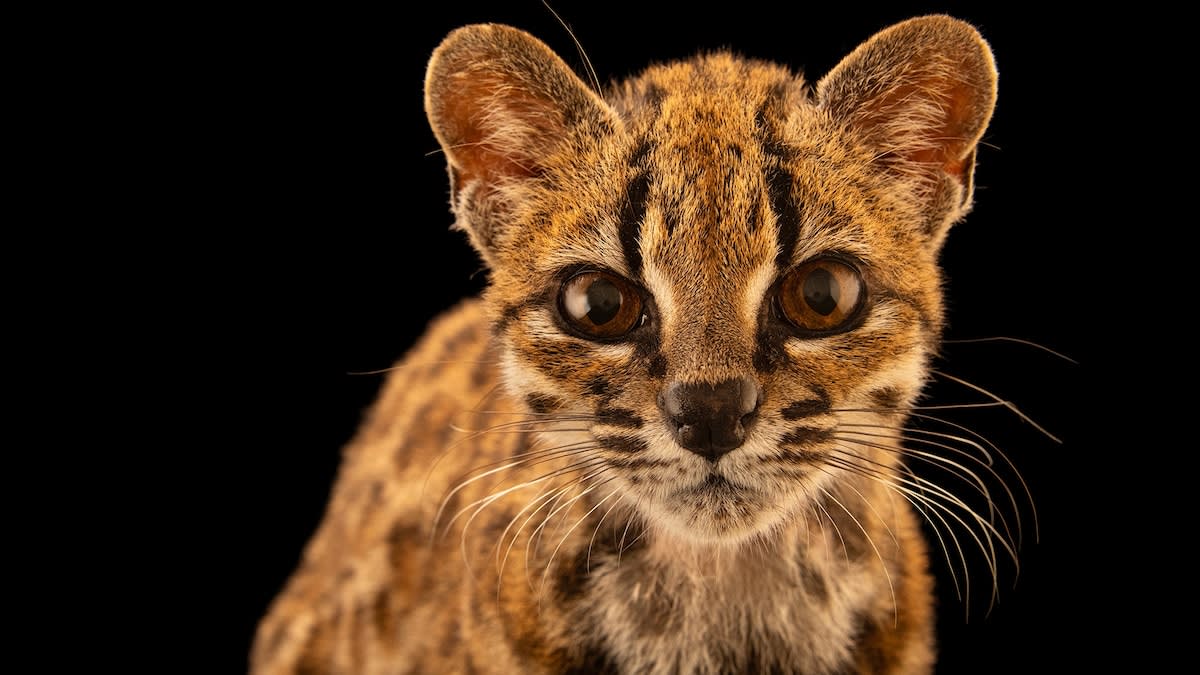
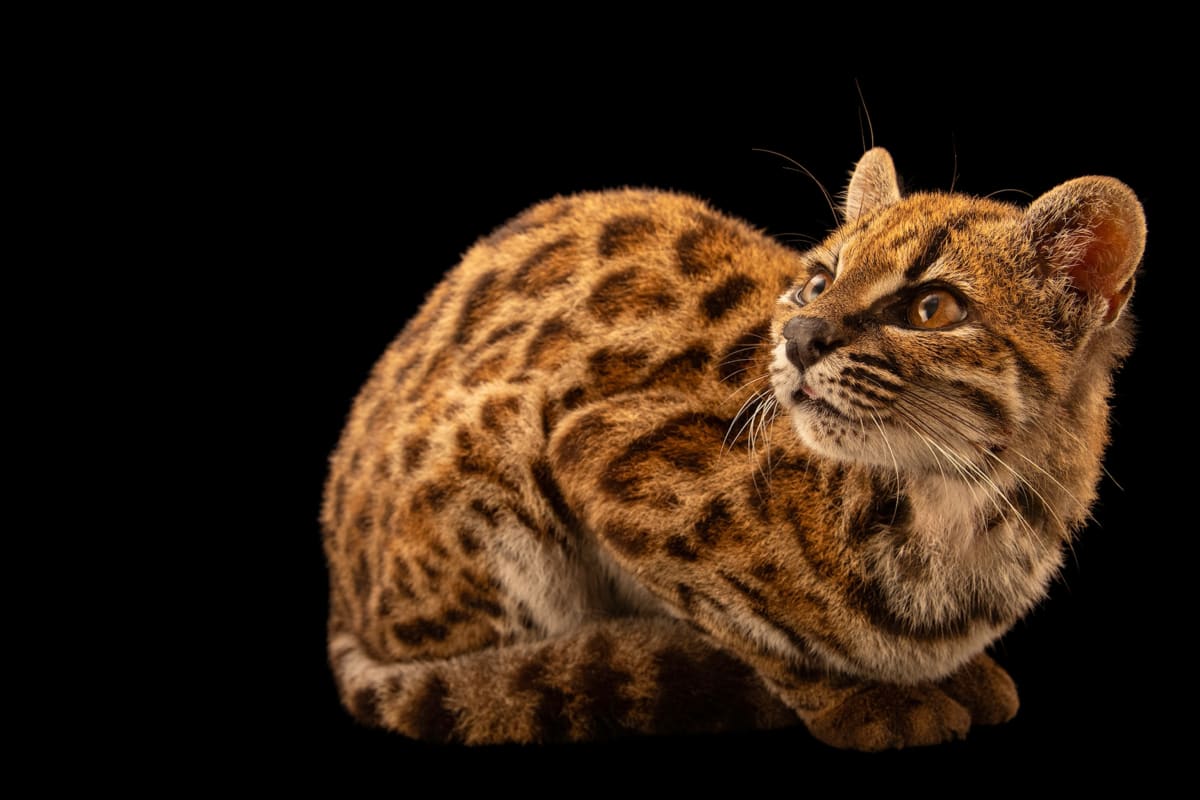
A mysterious spotted cat found by the roadside in Bolivia has turned out to be something remarkable: the first completely new cat species discovered in a century. Scientists are calling it Leopardus tilcayo, honoring the local name villagers have used for generations.
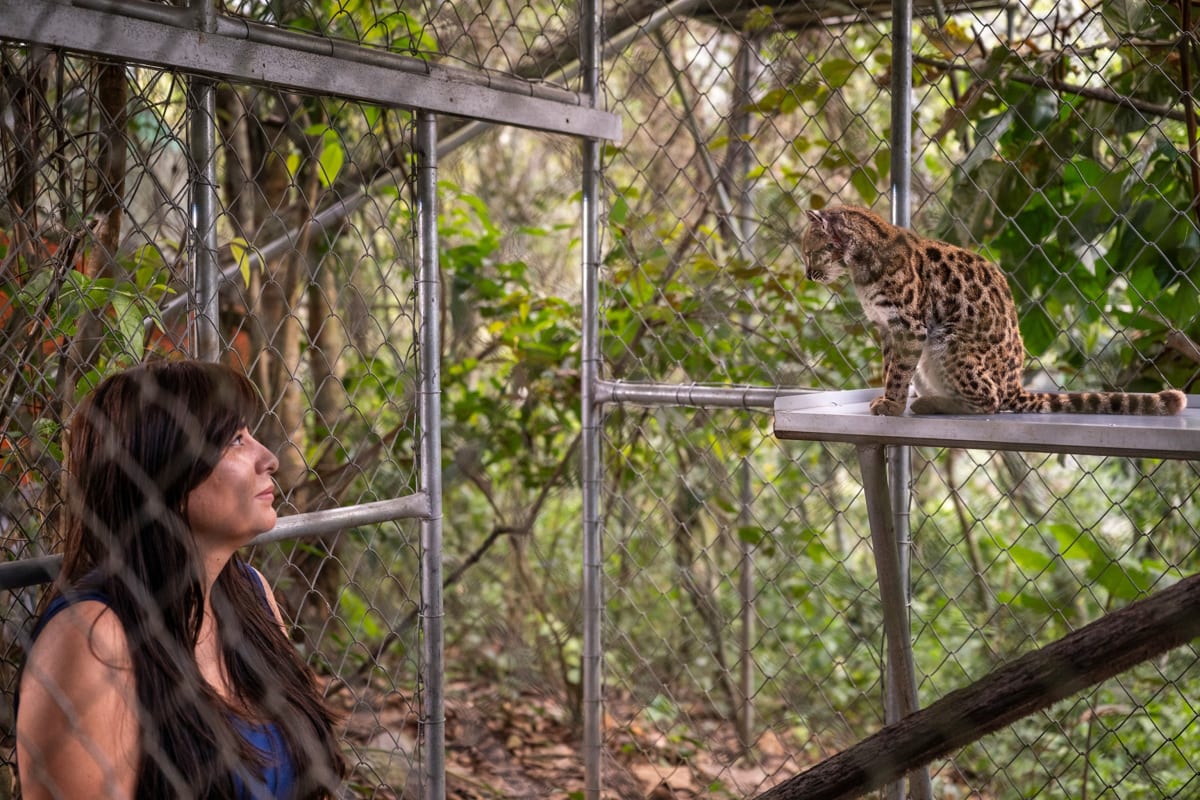
A Bolivian wildlife sanctuary called biologist Paola Nogales-Ascarrunz in 2016 about an unusual cat they couldn't identify, and her curiosity would lead to one of the most exciting wildlife discoveries of our time.
The small spotted cat had been rescued from a local man who'd found it as a kitten and raised it for a year, thinking it was a strange housecat. But its leopard-like rosettes, scrunched face, and wild temperament told a different story.
Nogales-Ascarrunz, founder of Bolivia's Felids Research Program, took hundreds of photos at the Senda Verde sanctuary. She assumed it was a known species called Leopardus tigrinus, a spotted wildcat found throughout South America.
But three years later, while preparing a guidebook about Bolivia's cats, something clicked. The rosettes on her mystery cat were much larger than those on Brazilian tiger cats. "This is so wrong," she remembers thinking.
It took years for Nogales-Ascarrunz to develop her genetic analysis skills enough to investigate. Working with geneticist Eduardo Eizirik in Brazil and researcher Jonas Lescroart in Belgium, the team finally unlocked the secret hidden in the cat's DNA.
Their findings, published in Current Biology, confirmed what Nogales-Ascarrunz suspected. This wasn't just a new subspecies or a rediscovered animal from old records—it was a completely new species, the first wild cat discovered since the pampas cat in 1923.
Why This Inspires
The team named it Leopardus tilcayo after the word local Bolivians have always used for these cats. When Nogales-Ascarrunz asked villagers what "tilcayo" meant, they simply said their grandparents had called it that, passing down knowledge that scientists are only now catching up to.
The discovery does more than add one species to the books. The research revealed that what scientists thought was a single tiger cat species actually includes five distinct species, completely redrawing the cat family tree.
These small wild cats are experts at staying hidden, even from trail cameras. Modern genomic analysis now lets scientists see differences invisible to the naked eye, opening doors to finding even more hidden species.
So far, researchers know L. tilcayo lives in Bolivia's Yungas forest on the eastern slope of the Andes Mountains. What they eat, how they reproduce, and countless other details of their lives remain mysteries waiting to be solved.
After 25 years studying these cats, Eizirik says each deeper look reveals more hidden variation. The methods used to identify L. tilcayo may soon help discover other hidden species around the world and transform how we protect them.
What started with one biologist's curiosity and a sanctuary's phone call became a century-defining discovery, proving there are still wonders waiting to be found in our world.
More Images
Based on reporting by Google News - Scientists Discover
This story was written by BrightWire based on verified news reports.
Spread the positivity!
Share this good news with someone who needs it