Bolivia Opens Energy Sector to Clean Power Investment
Bolivia just unveiled a groundbreaking law that welcomes private investment into its energy sector while championing renewable power. The shift could transform the landlocked nation into a regional clean energy hub.
Bolivia is making a bold bet on clean energy and open markets with a new law that could reshape how millions get their power.
The Bolivian government just submitted its new Electricity and Renewable Energy Law, opening the door for private companies to invest in the country's energy future. For decades, the state-owned company ENDE controlled nearly all electricity generation, but this proposal creates a competitive marketplace where private firms can build solar farms, wind turbines, and modern transmission lines.
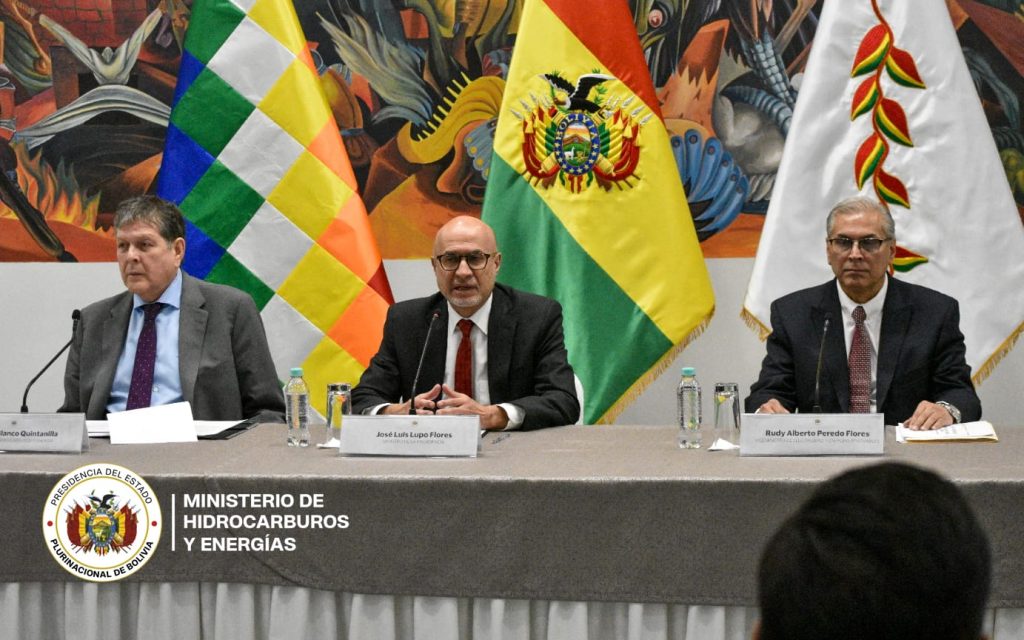
"We are moving from a market controlled almost entirely by the State to a competitive market," explained Marcelo Blanco, Bolivia's Minister of Hydrocarbons and Energy. The current law doesn't even account for renewable energy or storage technology, making this update long overdue.
The new framework keeps ENDE as a major player while inviting competition through long-term contracts and legal protections designed to give investors confidence. Private companies will be able to participate in generating, transmitting, and distributing electricity across the country.
One of the most exciting features is a system of public auctions for renewable energy projects. These competitive bids help drive down costs while expanding clean power capacity, a strategy that's worked well in neighboring countries like Chile and Brazil.
The law also establishes the Energy Regulatory Entity, an independent watchdog that will bring transparency and eliminate conflicts of interest in how the market operates. This kind of oversight matters when billions of dollars are at stake.
Bolivia recognizes electricity access as a universal right under the proposal, ensuring the shift to private investment doesn't leave rural communities behind. The government believes this balance will increase the country's installed capacity while improving service quality and keeping prices fair.
The Ripple Effect: Bolivia's strategic location in the heart of South America positions it to become more than just self-sufficient. The country could export clean energy to neighbors like Argentina, Peru, and Paraguay, strengthening regional energy security while generating revenue. As other Latin American nations race to decarbonize their grids, Bolivia's hydroelectric potential and sunny highlands make it an ideal partner for cross-border renewable projects.
The proposal now enters a thorough review process involving economic analysts, legislative debate, and public input from civil society groups. These conversations will determine how quickly private investment flows in and how much control the government maintains over strategic infrastructure.
Several South American countries have already proven that competitive electricity markets can lower costs and accelerate renewable adoption when designed thoughtfully. Bolivia is following that playbook while adapting it to local needs and resources.
The coming months of debate will be crucial, but the direction is clear: Bolivia is ready to power its future with clean energy and open competition.
Based on reporting by Google: clean energy investment
This story was written by BrightWire based on verified news reports.
Spread the positivity!
Share this good news with someone who needs it