Bolivia's Fuel Crisis Sparks 570% Electric Car Boom
When gas lines stretched for hours and prices doubled, Bolivians found an unexpected solution. Electric vehicles are now transforming how people navigate the world's highest cities.
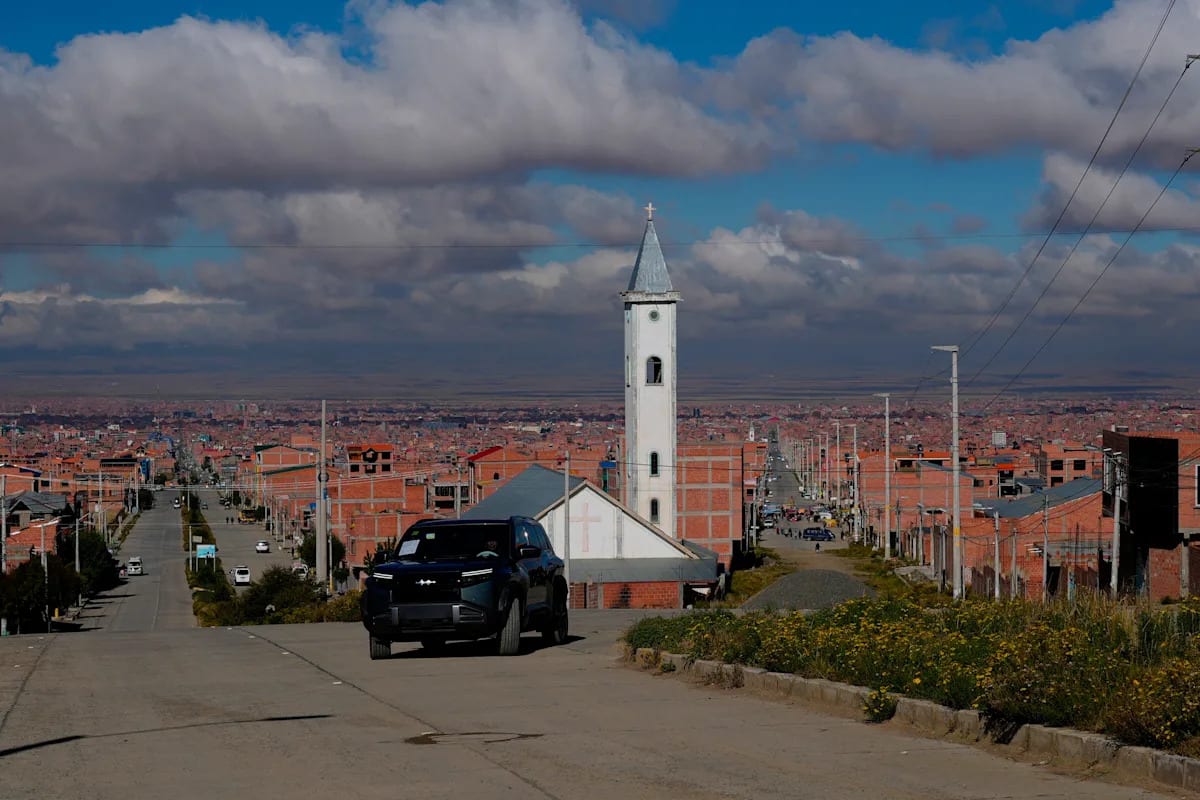
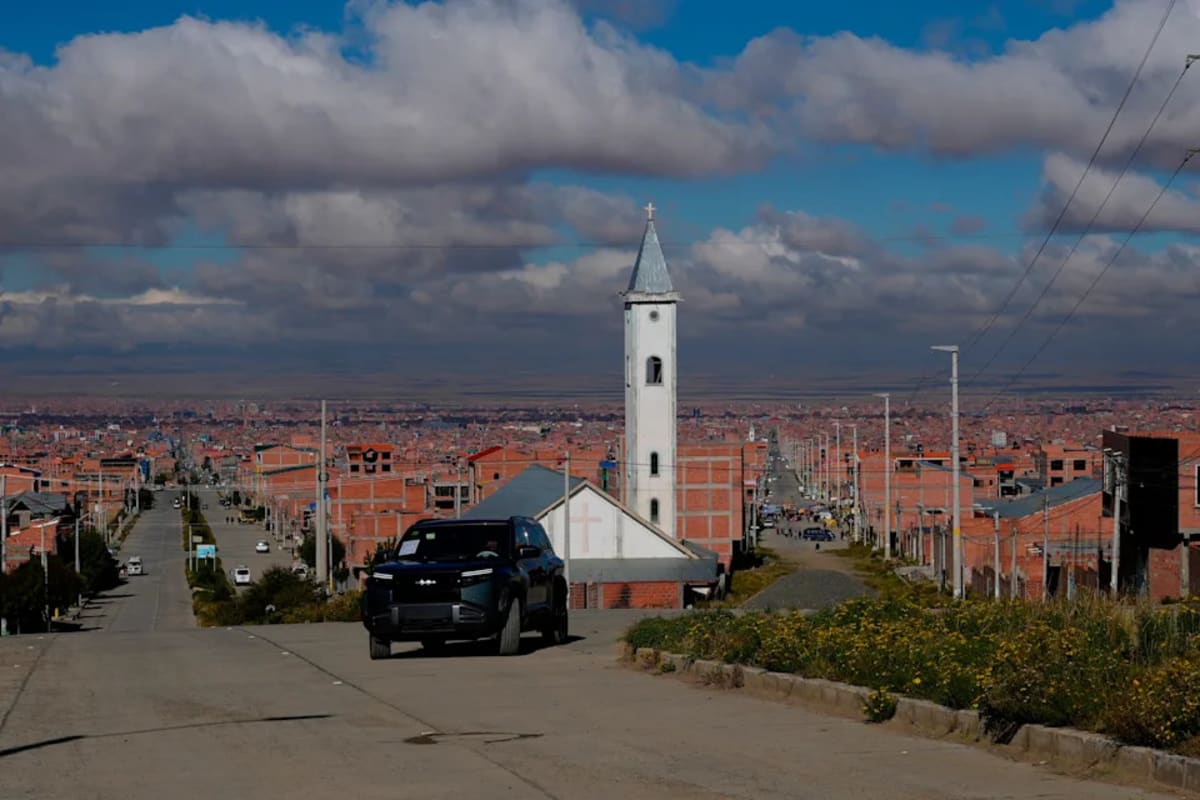
Simón Huanca got tired of wasting hours in gas lines, so the 53-year-old artisan bought a Chinese electric car and installed a charger in his garage. Now he drives through El Alto, Bolivia's highest city, transporting his family and alpaca wool for his weaving workshop without worrying about fuel.
He's part of a quiet revolution happening in the South American nation. Bolivia's electric vehicle fleet exploded from 500 to 3,352 cars in just five years, with the sharpest growth happening during the past two years of fuel shortages.
The country's energy crisis began when Bolivia ran out of foreign currency to purchase imported fuel, which makes up 80% of its diesel and 55% of its gasoline. Long lines at gas stations became part of daily life.
Then in December, new President Rodrigo Paz ended fuel subsidies that had cost the government over $2 billion annually. Prices nearly doubled overnight, hitting families hard.
Weeks later, transport operators discovered the available gasoline was contaminated with gum and manganese, damaging their vehicles. Bolivians dubbed it "junk gasoline," sparking protests and forcing two officials at the state oil company to resign.
The final push came from rising global fuel prices. Lawyer Ever Vera invested $36,000 in an electric vehicle and hasn't looked back. "I no longer waste valuable working hours searching for fuel or managing vehicle repairs," the 54-year-old said.
The Ripple Effect
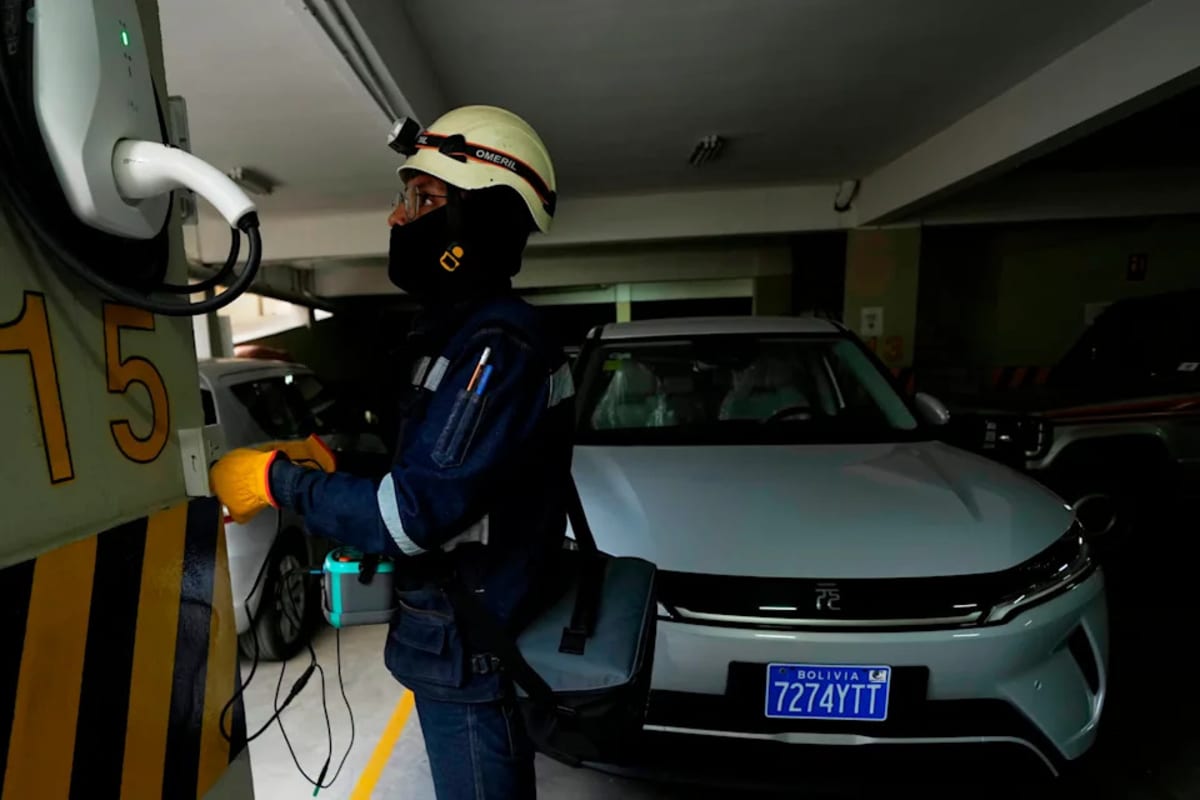
The electric vehicle boom is creating unexpected opportunities across Bolivia. Electrician Marcelo Laura spotted a gap in the market just a month ago and started installing home and commercial charging stations.
"A year ago, I thought it was practically impossible to think that people would actually be bringing in electric cars," the 38-year-old said. Now he's building a business around it, even though only three public charging stations serve the 1.6 million people in the La Paz and El Alto metro area.
President Paz eliminated import tariffs on automobiles, multiplying the number of importers competing to bring affordable vehicles into Bolivia. Most cars come from China, followed by the United States.
Electromobility expert Freddy Koch from nonprofit Swisscontact calls the growth "exponential." While wealthier buyers currently dominate the market, he predicts electric vehicles could triple again within two to three years as prices drop and options expand.
What started as a fuel crisis is quietly reshaping transportation in one of South America's most challenging landscapes, proving that sometimes the best solutions emerge from the toughest problems.
More Images


Based on reporting by Google News - Electric Vehicle
This story was written by BrightWire based on verified news reports.
Spread the positivity!
Share this good news with someone who needs it