Boston Hospital Saves Limbs for Unhoused Patients
Massachusetts General Hospital created a groundbreaking clinic that brings life-saving vascular care directly to people experiencing homelessness, preventing amputations before emergencies strike. In three years, over 125 people have received specialized care they might never have accessed otherwise.
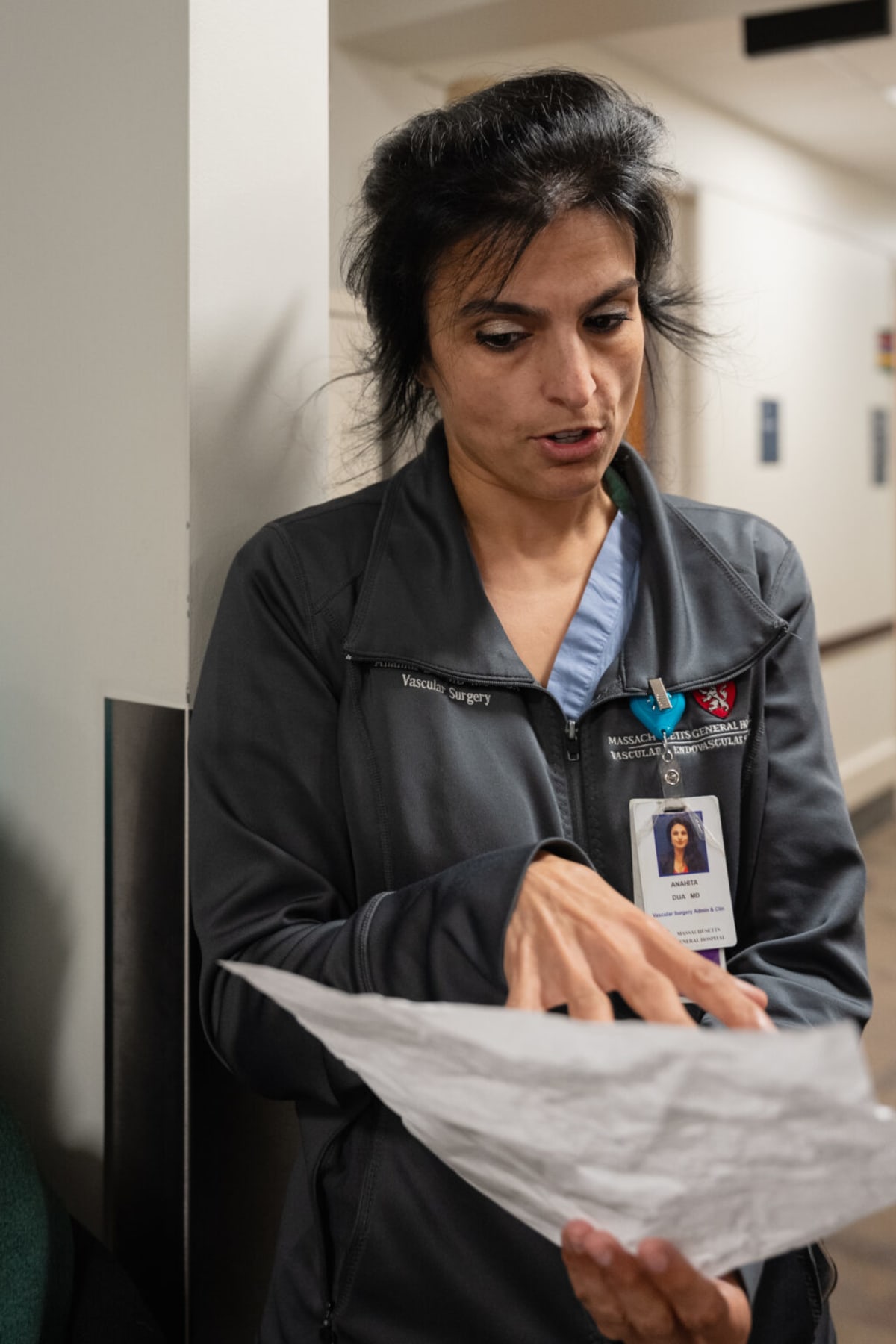
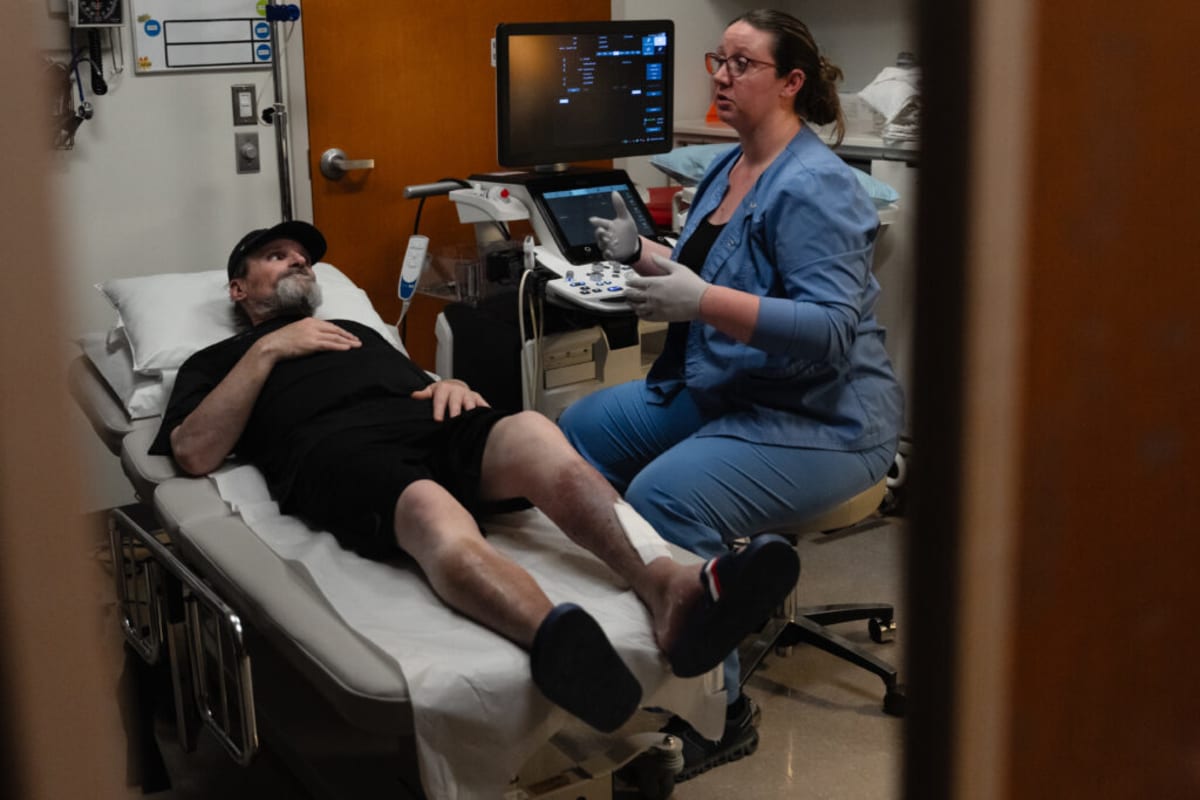
When Carlton Haynes arrived at Massachusetts General Hospital with an infected wound on his shin, vascular surgeon Anahita Dua delivered sobering news: without immediate treatment, he'd likely lose his leg. But instead of waiting for an emergency room crisis, Haynes was already exactly where he needed to be.
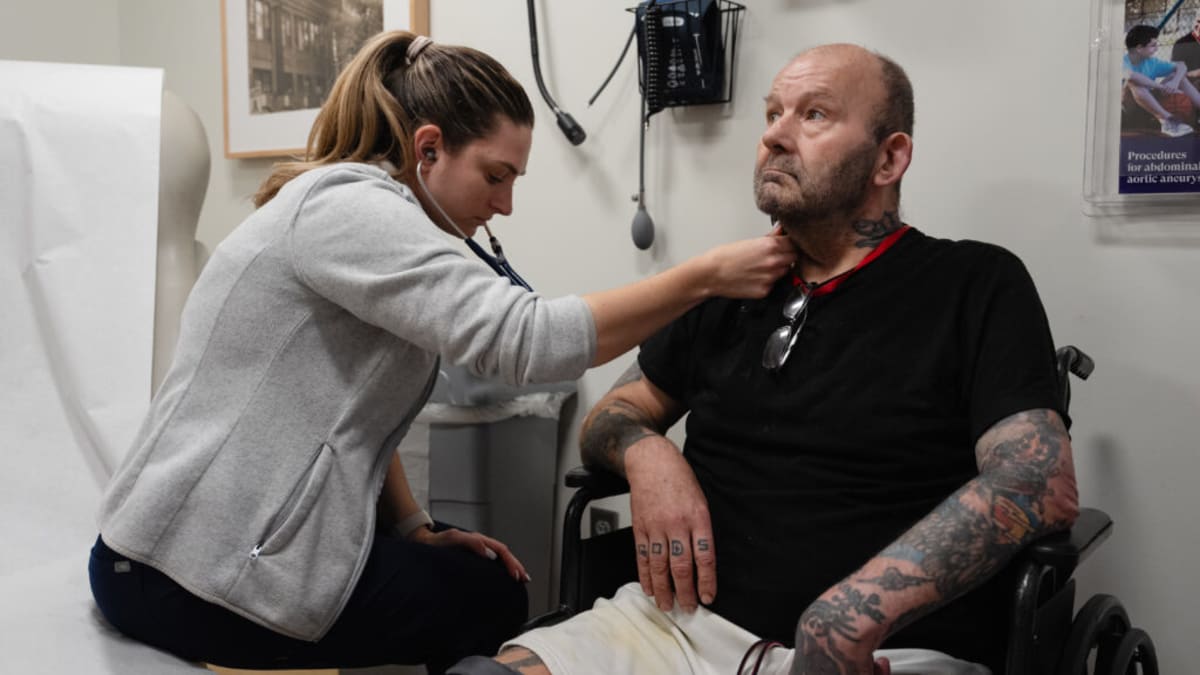
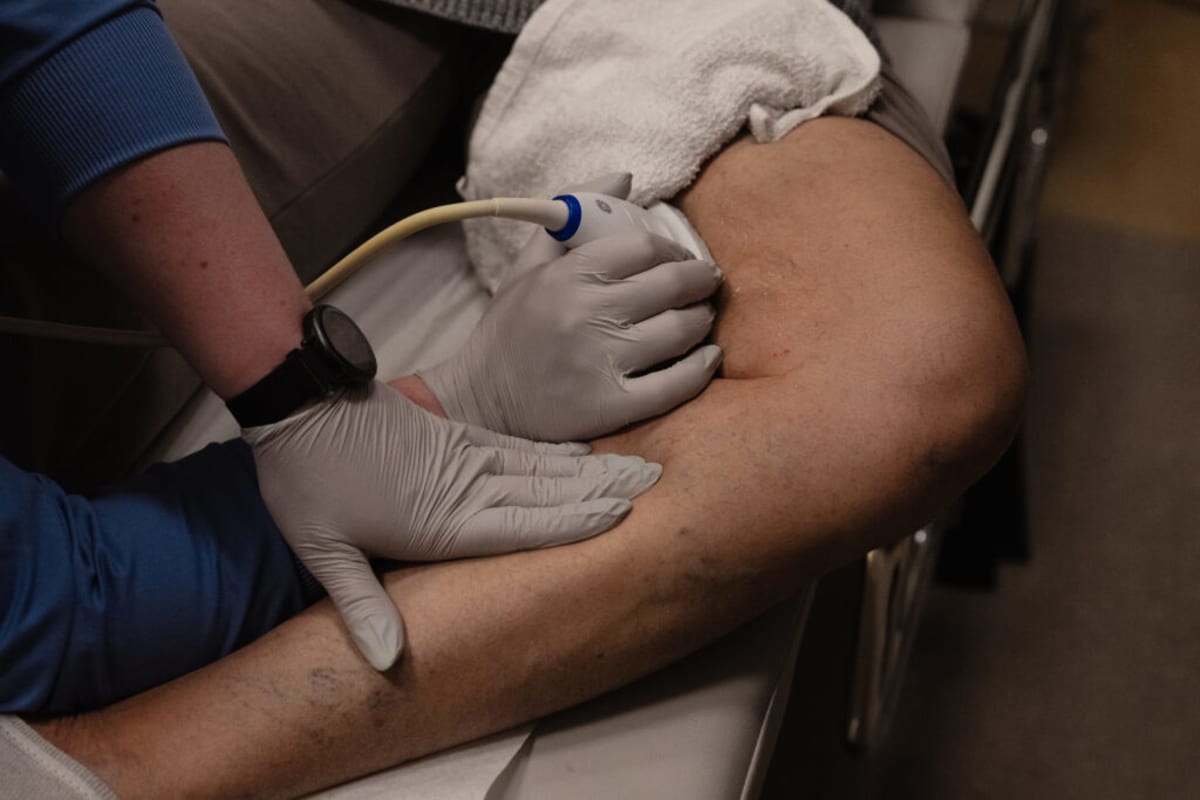
Mass General's special vascular clinic, believed to be the first of its kind in America, is rewriting healthcare rules for people experiencing homelessness. Every three months, about 30 patients visit the hospital campus for seamless, same-day care that would normally require multiple appointments across weeks or months.
The team handles everything from blocked arteries to infected wounds that could turn deadly. They arrange Uber rides, send shuttle vans, and guide patients through up to five different specialists in a single visit. Doctors and medical residents volunteer their time to make it work.
The clinic was born from a frustrating reality. Primary care doctors would discover someone had a life-threatening aneurysm or blocked artery, then tell them to go to the emergency room. Most patients wouldn't go, and some would die as a result.
Working with Boston Health Care for the Homeless Program, Mass General created a middle step. Primary care providers identify patients who need vascular care, then refer them to the quarterly clinic where specialists can prevent the crisis before it happens.
Mark Picard, 53, came in with a leg wound that wouldn't heal after eight years. He'd been worried his past drug use caused the problem, but doctors discovered an underlying vascular issue. Catching it early means he can still get his scheduled hip replacement without infection complications.
The Ripple Effect
The clinic flips traditional healthcare on its head. Instead of treating black toes and infected wounds in costly emergency rooms, doctors catch peripheral artery disease and aneurysms before they become life-threatening. Patients who might have avoided hospitals entirely now have a bridge between primary care and emergency services.
Dr. David Munson, medical director for Boston Health Care for Homeless, says trust makes the difference. Providers build relationships with patients on the street, in shelters, and through respite programs before guiding them to specialized care. Since opening in 2023, between 125 and 150 people have received treatment that's saving both limbs and lives.
The model proves that meeting people where they are isn't just compassionate healthcare. It's smarter, more effective, and ultimately more humane than waiting for preventable disasters to strike.
More Images
Based on reporting by STAT News
This story was written by BrightWire based on verified news reports.
Spread the positivity!
Share this good news with someone who needs it