UC Davis Volunteers Cut Hospital Confusion in Older Patients
Specially trained volunteers are helping older hospital patients stay clear-minded through simple conversations and companionship. The program targets delirium, a dangerous form of confusion that affects nearly 4 in 10 hospitalized seniors.
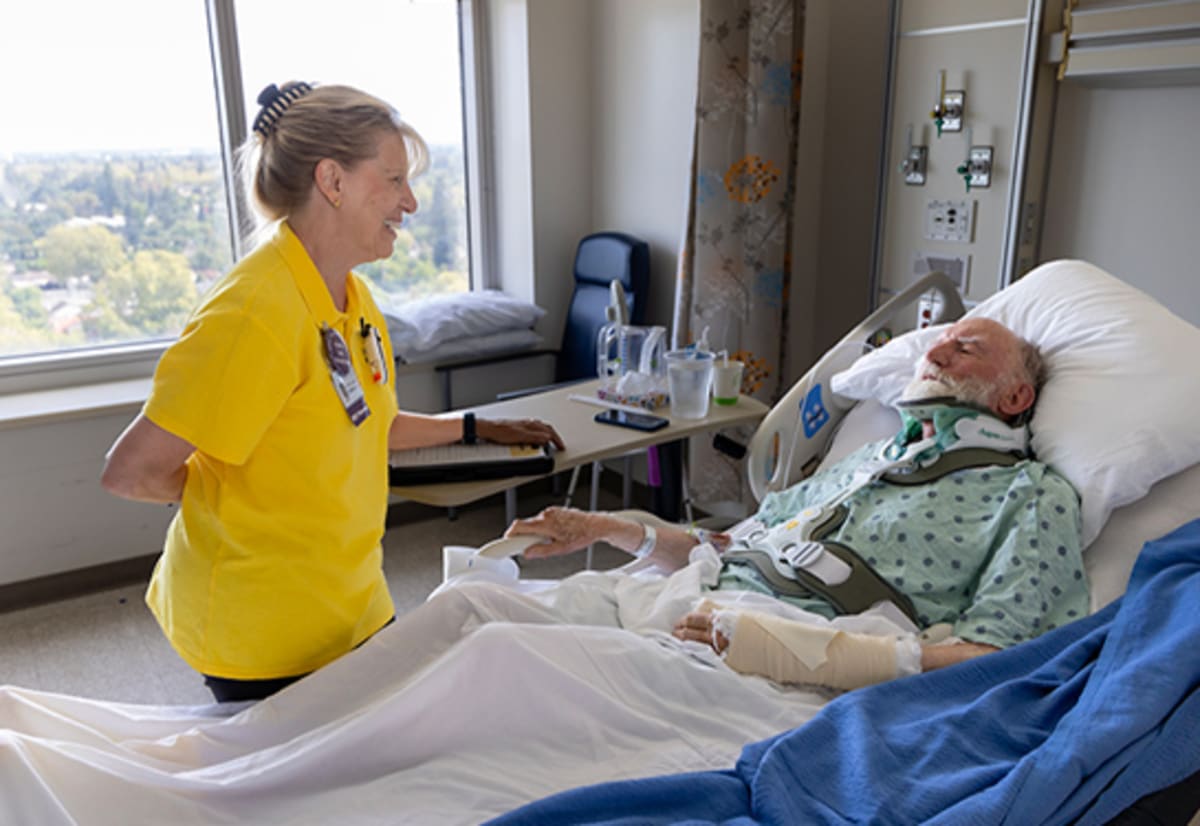
Jan Noort walks into hospital rooms every Monday with a simple gift: her time. The retired nurse practitioner chats with older patients about their lives, plays music, and helps them remember what day it is. These seemingly small gestures are saving minds.
UC Davis Health launched CoCare: HELP in April, becoming the first Sacramento hospital to offer the proven program. It tackles a dangerous problem most people don't know exists: hospital delirium, a sudden confusion that strikes older patients and can have lasting effects.
The numbers tell a sobering story. Nearly 4 in 10 older patients who develop delirium in the hospital die within two years, compared to just over a quarter of patients who stay clear-headed. Hospital confusion also increases the odds of readmission by 70%.
Days in the hospital blur together for older adults. Interrupted sleep, pain, medication, and unfamiliar surroundings cloud thinking. Without intervention, many patients slip into a fog that slows recovery and sometimes never fully lifts.
The volunteer visits feel casual but follow evidence-based strategies. Volunteers open blinds in the morning to reinforce day and night cycles. They discuss current events to keep minds active. They review "Get to Know Me" forms filled with details about patients' families, hobbies, and careers, then spark conversations around those topics.
One withdrawn patient barely participated in care until a HELP volunteer spent time at his bedside. Afterward, he smiled more and engaged willingly with physical therapy. Another long-stay patient improved his mood so much during volunteer visits that he started eating better and taking medication without resistance.
"People are just so lonely in the hospital," said Olga Sukhenko, the geriatric nurse specialist who launched the program. "With the volunteers, they're able to completely disconnect from that and talk about something else entirely."
The Ripple Effect
The benefits extend beyond patients. Nurses juggling multiple tasks and 12-hour shifts rarely have time to simply sit and talk. Family members can't always be at the bedside. The volunteers fill that gap with uninterrupted companionship.
Since April, volunteers have visited more than 200 patients. Nearly three-quarters accepted a visit, and two-thirds of conversations lasted longer than 15 minutes. Patient surveys describe the visits as "comforting," "uplifting," and a welcome break from hospital stress. One patient summed it up simply: "Appreciated the smiles of volunteers."
Assistant Nurse Manager Sushmil Datt sees anxious, lonely patients become calmer and more engaged after spending time with volunteers. What busy clinical teams can't provide, volunteers deliver naturally.
Nine volunteers have completed training, and program leaders are recruiting more to expand beyond the orthopedic and trauma unit. A 2024 analysis found HELP programs reduce delirium and shorten hospital stays at facilities nationwide.
It turns out the best medicine for hospital confusion might be the simplest: a friendly face, a listening ear, and proof that someone cares enough to show up.
Based on reporting by Google: volunteers help
This story was written by BrightWire based on verified news reports.
Spread the positivity!
Share this good news with someone who needs it