Boston Hospitals Bet Big on Catching Cancer Early
Major Boston hospitals are racing to expand cancer screening programs that could save thousands of lives by catching tumors when they're easiest to treat. The push comes as new blood tests and screening tools make early detection more accessible than ever.
Jessica Reilly lost her mom to lung cancer in kindergarten. Four years later, her dad battled blood cancer too. At just 24, she's taking control of her future with genetic testing that could catch cancer before it starts.
She's part of a growing movement. Boston's biggest hospitals are pouring millions into early detection programs that help people like Reilly understand their cancer risk and catch problems early.
The numbers tell a powerful story. Women diagnosed with early-stage breast cancer have a 99 percent chance of surviving five years or more. That drops to just 33 percent when cancer is found late. For colon cancer, early detection means a 90 percent survival rate compared to 13 percent when the disease spreads.
Mass General Brigham just announced a $400 million investment in cancer care over the next four years. The system recently expanded its Early Detection and Diagnostics Program from Waltham to Brigham and Women's Hospital. Dana-Farber Cancer Institute received $5 million specifically for prevention and early detection work.
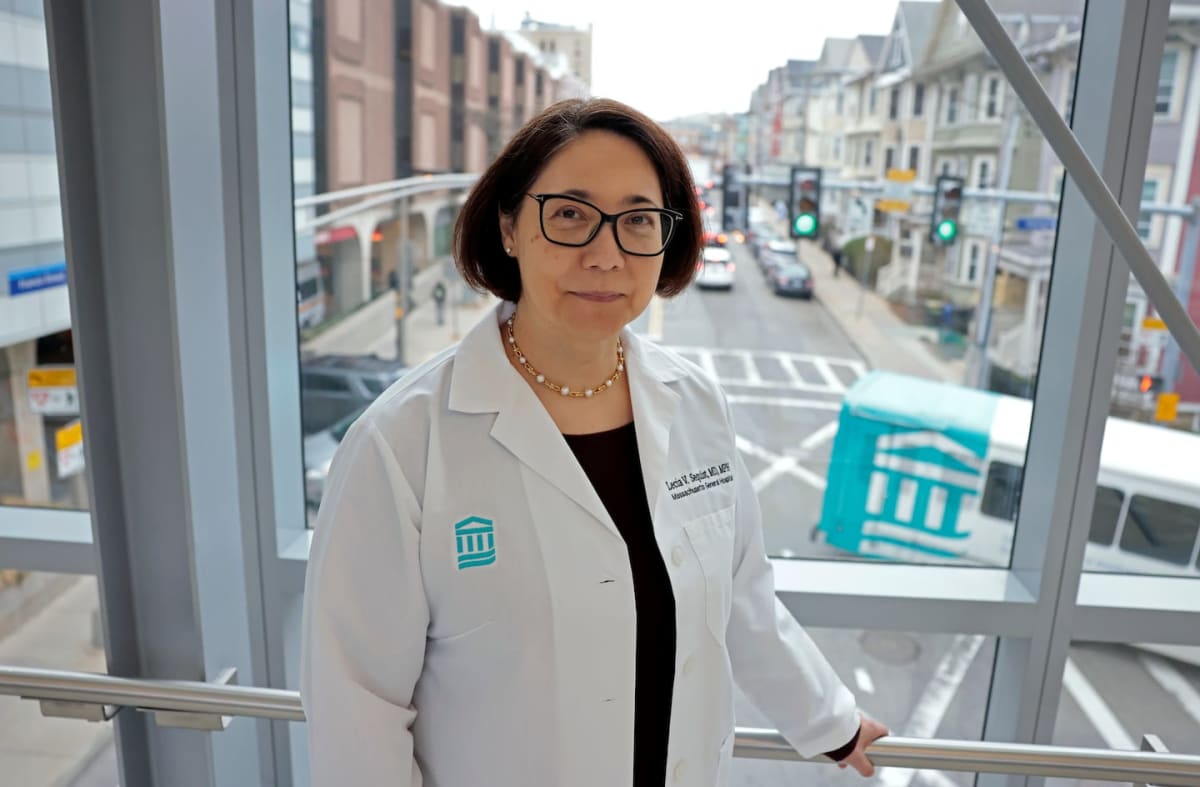
Dr. Lecia Sequist, who directs MGB's early detection program, says the focus has shifted dramatically. Ten years ago, only patients with obvious family cancer histories got screened. Now, people with jobs like firefighting or military service can access testing based on workplace exposure risks.
New blood tests can screen for multiple cancers at once, though Sequist emphasizes patients need guidance on what's proven versus experimental. The market for these multicancer detection tests is expected to reach $2.86 billion by 2030.
Reilly remembers her father's chemo fatigue most vividly. "Physically seeing that, knowing that they experienced that, I would do anything not to go through that myself," she said. Her family history made her a perfect candidate for genetic testing through MGB's program.
Why This Inspires
Early detection programs represent medicine at its most hopeful. Instead of waiting for cancer to announce itself, doctors are helping people take charge of their health years in advance. Firefighters exposed to carcinogens, people with modest family histories, and young adults like Reilly can now access tools that were unimaginable a decade ago.
The technology keeps improving, making these life-saving screenings more accurate and less invasive. What started as programs for only the highest-risk patients now reaches everyday people who simply want to protect their futures.
Reilly's story shows why this matters. She's not waiting for cancer to choose her. She's choosing to be ready.
More Images

Based on reporting by Google News - Health
This story was written by BrightWire based on verified news reports.
Spread the positivity!
Share this good news with someone who needs it