Boston Metal Raises $75M to Make Critical Metals Cleaner
A startup using electricity instead of pollution to extract valuable metals just secured $75 million to build the future of clean manufacturing. The technology could help make everything from jet engines to MRI machines without wrecking the planet.
Boston Metal just proved that green technology can survive tough times and come back stronger.
The Massachusetts startup raised $75 million to expand its revolutionary approach to metal production. Instead of burning fossil fuels to extract metals from ore, Boston Metal uses electricity to heat materials to 3,000 degrees and pull out pure metals without the pollution.
The company made headlines for tackling steel, an industry responsible for 8% of global emissions. But now it's focusing on something even more valuable: critical metals that power modern life.
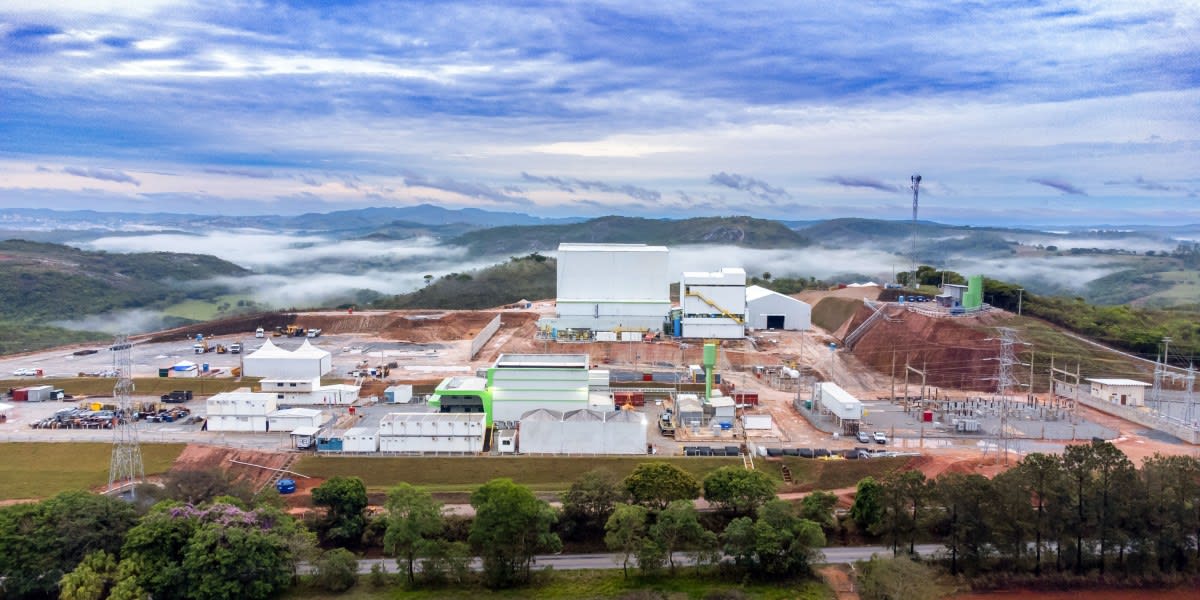
Boston Metal's subsidiary in Brazil is building a facility to produce niobium, tantalum, and tin. Niobium strengthens steel for bridges and buildings, and helps create the superconducting magnets inside MRI scanners. Tantalum handles extreme heat in rocket nozzles and jet turbine blades.
The funding comes after a rough patch. In January 2025, insulation equipment failed at the Brazil plant, causing molten material to leak. Nobody got hurt and there was no environmental damage, but the delay meant missed deadlines and lost funding.
CEO Tadeu Carneiro had to restructure and lay off 71 employees in April. "Because of this delay, we had a big stress in our cash flow, so the investors came very strong to support us," he says.
The Brazil facility will restart in September 2026. After that, Boston Metal plans to build a U.S. plant to produce chromium, a metal America currently imports almost entirely from other countries.
The Ripple Effect
This rescue matters beyond one company. Boston Metal has now raised over $500 million total, with support from major players like Indian steel giant Tata Steel.
The startup recently produced about a ton of steel at its Massachusetts pilot facility. But starting with higher-value metals makes business sense while the technology matures.
"Nobody wants to pay a green premium for steel," says Seaver Wang, director of climate and energy at the Breakthrough Institute. Proving the technology works for expensive metals like niobium creates a pathway to eventually transform massive industries like steel production.
The U.S. currently depends on other countries for nearly all its chromium supply. A domestic source made without fossil fuels could reshape both manufacturing and national security.
Sometimes the path to changing the world requires taking a detour first.
Based on reporting by MIT Technology Review
This story was written by BrightWire based on verified news reports.
Spread the positivity!
Share this good news with someone who needs it