Cambodia Firefighters Save 158,000 Acres Using Satellites
Local communities around Southeast Asia's largest lake are using satellite technology and traditional knowledge to stop wildfires, restore forests, and bring threatened wildlife back from the brink. The fishing cat has returned after a decade of absence.
For fisher Luon Chanleng, the equation is simple: healthy forests mean thriving fish, and thriving fish mean his community survives. Without the flooded forest surrounding Cambodia's Tonle Sap lake, he can't imagine life at all.
Tonle Sap is Southeast Asia's largest freshwater lake, home to more than a million people who depend on its waters and surrounding forests. But nearly a third of these vital floodplain forests vanished between 1993 and 2017, lost to agricultural conversion and devastating wildfires.
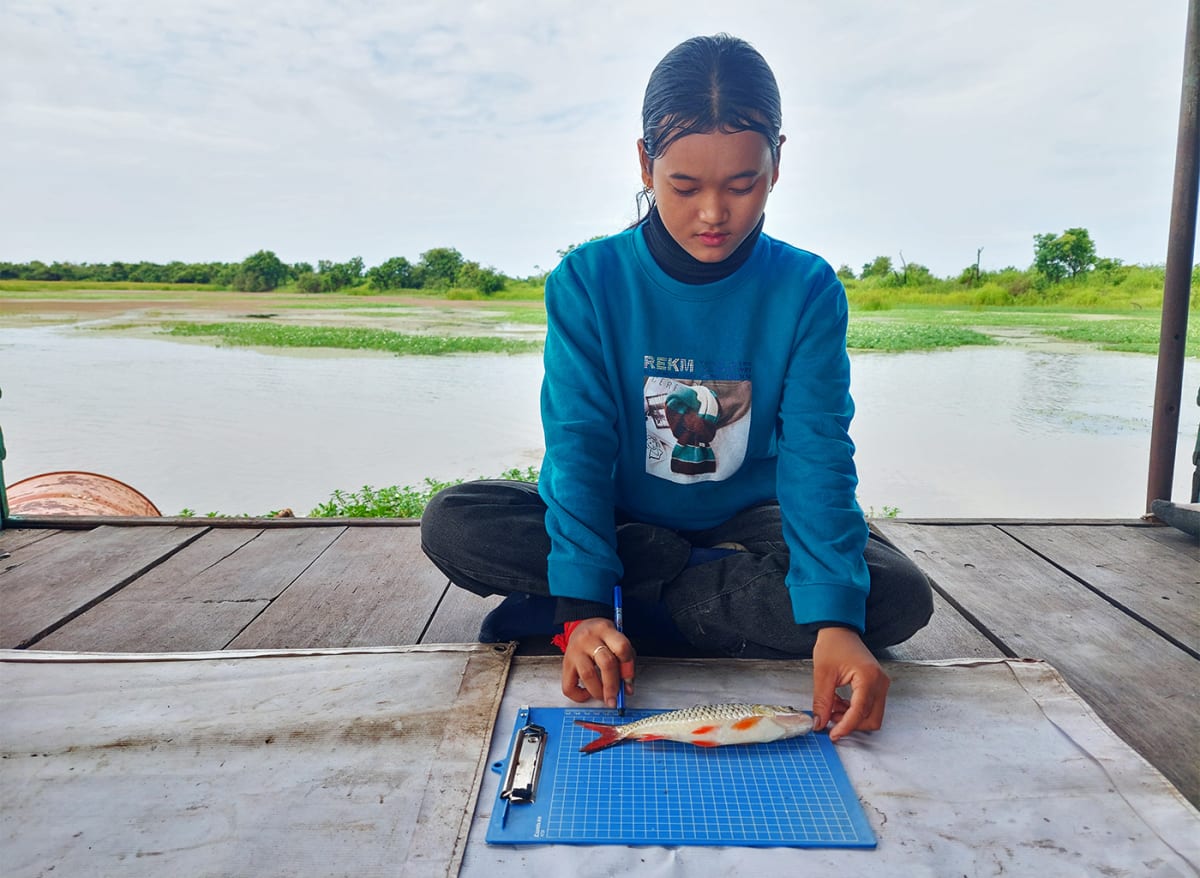
During the dry season, the receding waters turn the flooded forest into a tinderbox. Discarded cigarettes, unattended campfires, and farmers burning land for buffalo grass can spark fires that race through the mangroves. When the forest burns, ash washes into the water, destroying the habitat where 300 fish species breed and feed.
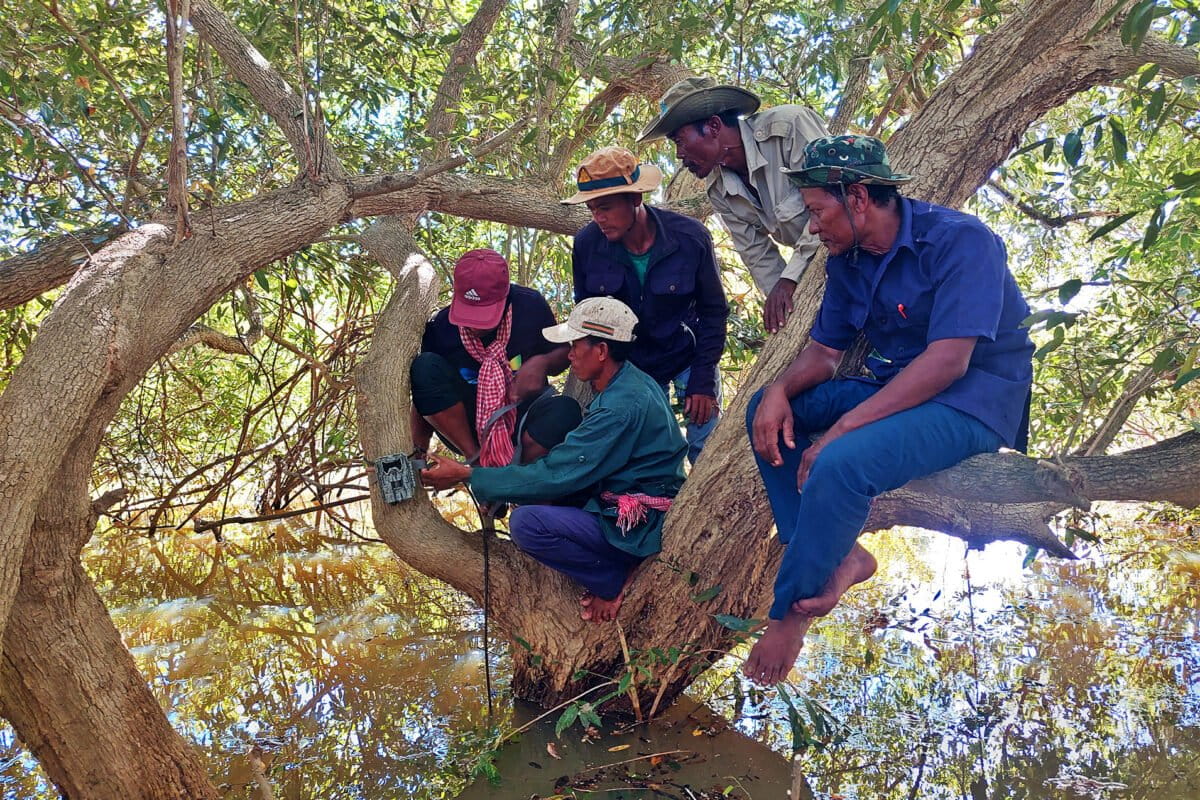
The community decided to fight back with an unlikely combination of old and new. Seventy-eight residents trained as community firefighters, using satellite wildfire alerts forwarded by Conservation International to respond quickly to threats. Over three years, these volunteer teams have successfully stopped 50 wildfires, protecting 158,000 acres of flooded forest.
But stopping fires was only the beginning. Seventeen communities joined forces to tackle an invasive plant called Mimosa pigra that was colonizing burned areas faster than native species could recover. The South American shrub grows quickly, dies young, and creates even more fuel for future fires.
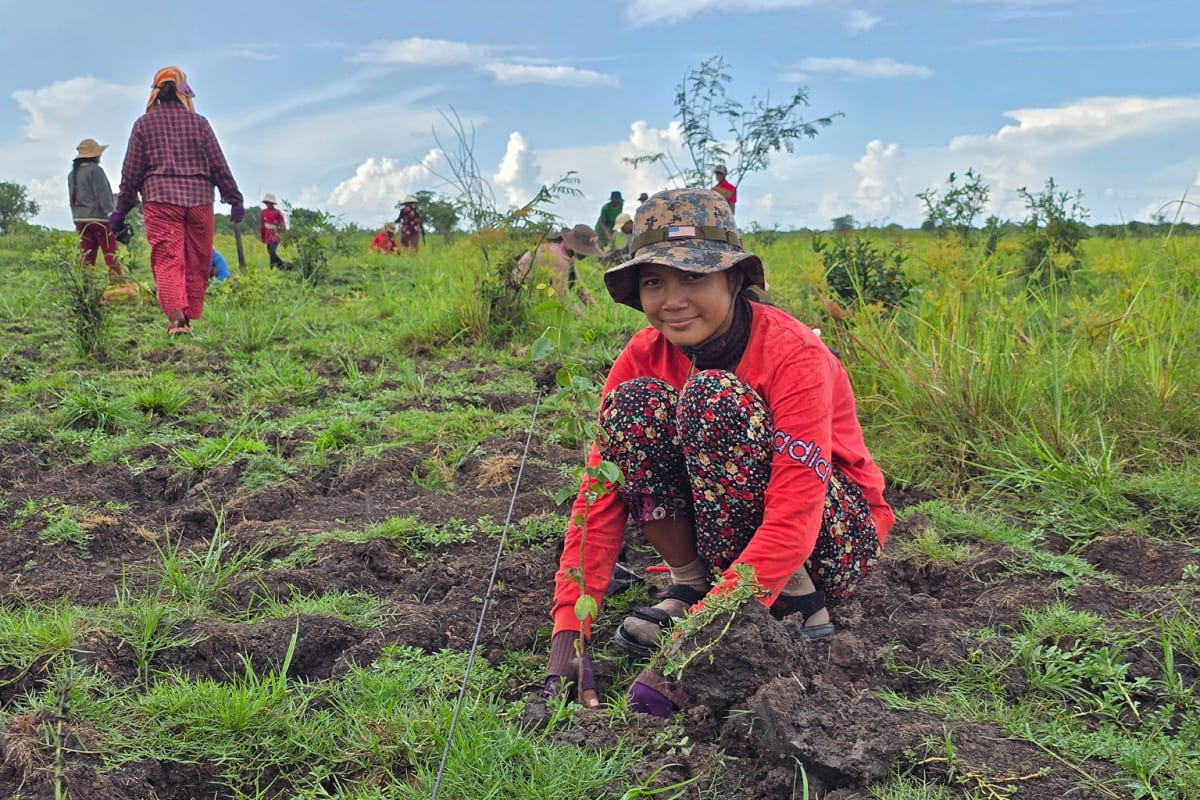
Communities opened nurseries to grow native tree seedlings from seeds they gathered themselves. They've now planted nearly 270,000 young trees, including threatened species that provide habitat for waterbirds and mammals. These tall trees also supply nectar for pollinators and create windbreaks against storms during the wet season.
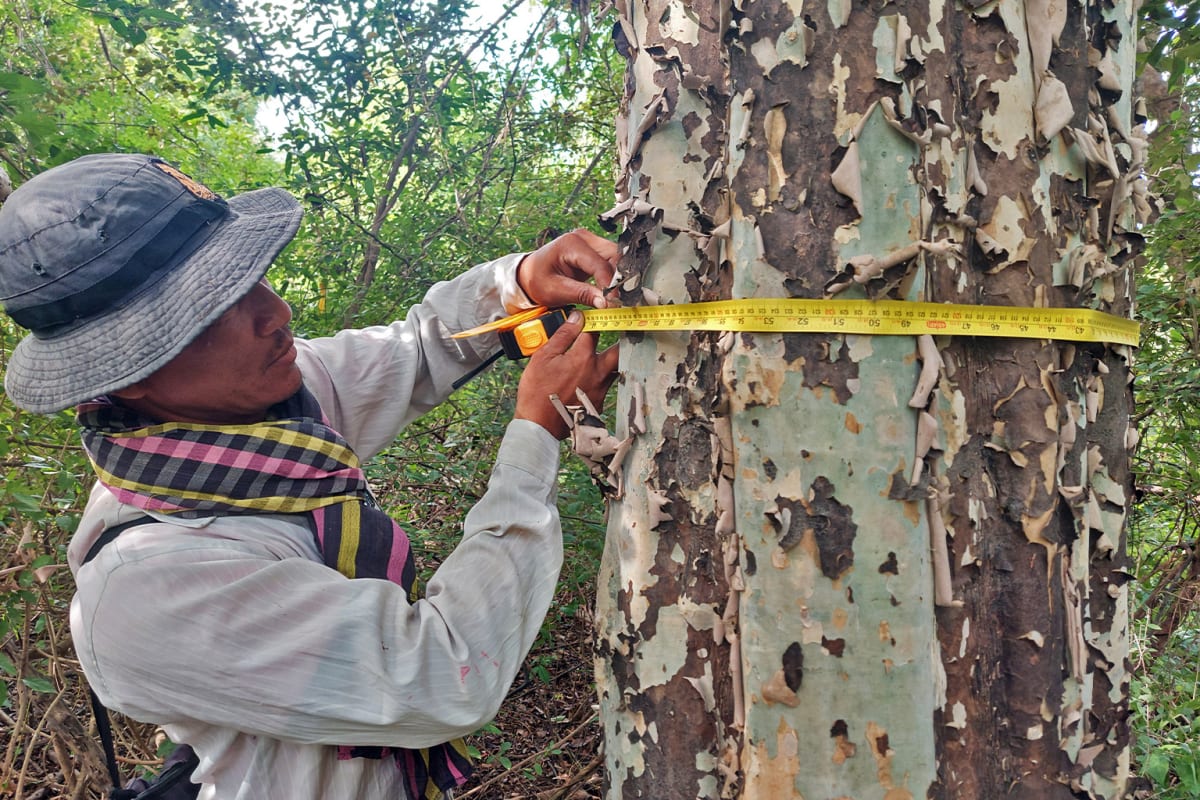
Residents marked mature trees listed on the IUCN Red List with protective signs to raise awareness. This mix of new saplings and protected old trees creates what restoration experts call ecological succession, different phases of forest maturity coexisting for maximum resilience.
The Ripple Effect
The forest's return is bringing back its former residents. The fishing cat, a threatened species, has been spotted in the restoration area for the first time in 10 years. Hairy-nosed otters also call these waters home again.
The connection between forest and fish that Luon described is becoming visible in the data. As the mangroves recover, they once again provide shelter for fishing boats during typhoons and breeding grounds for the species that feed entire communities around the lake.
Sokrith Heng from Conservation International Cambodia notes that community members understand farmers don't want to destroy the forest, they just can't always control the fires they start. That's why the satellite alert system matters so much, it turns good intentions into effective action.
The work continues under scorching conditions, with dry season temperatures hitting 97 degrees Fahrenheit, but the community firefighters keep showing up because they know what's at stake: their livelihoods, their homes, and the forest they can't imagine living without.
More Images

Based on reporting by Mongabay
This story was written by BrightWire based on verified news reports.
Spread the positivity!
Share this good news with someone who needs it