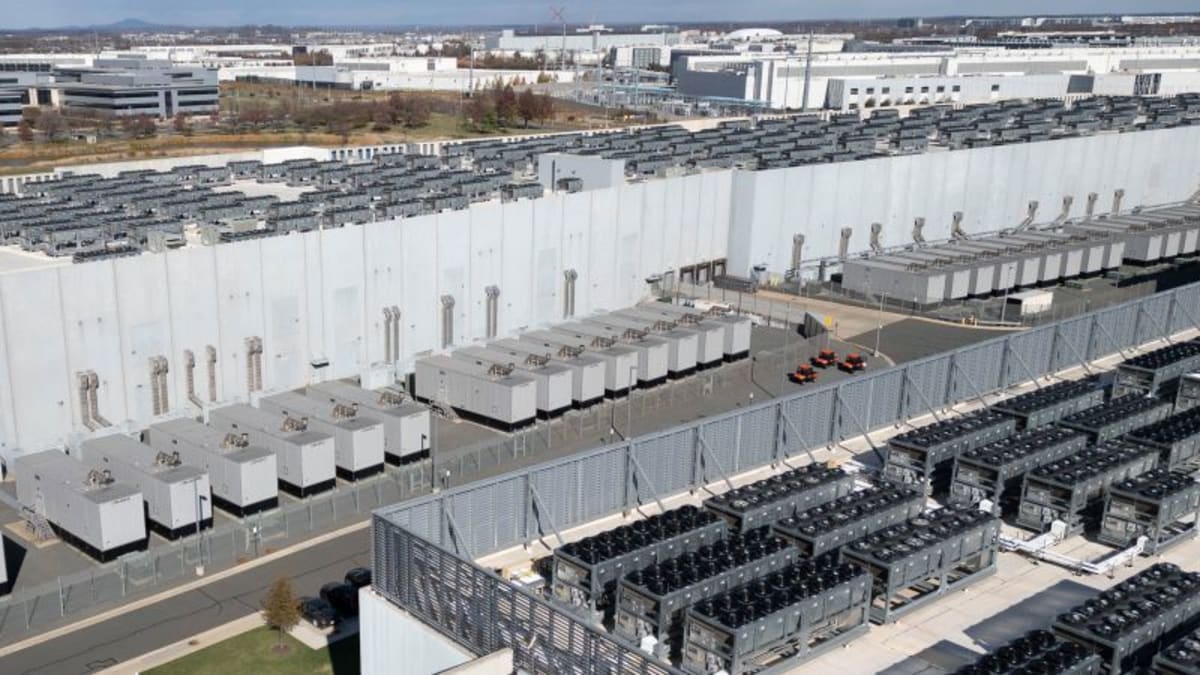
Data Centers Switch to Backup Power to Keep AC Running
As a dangerous heat wave gripped the East Coast, the Energy Department found a creative solution to keep homes cool. Data centers across 13 states switched to backup generators, freeing up enough electricity to power residential air conditioning when people needed it most.
When temperatures soared past 100 degrees across major East Coast cities this week, Energy Secretary Chris Wright made a call that kept millions of air conditioners humming.
He directed data centers in the mid-Atlantic region to switch from the public electric grid to their backup generators. The move freed up massive amounts of electricity for homes and families trying to stay cool during the dangerous heat wave.
The directive targeted facilities in the PJM region, which covers 13 states and operates the country's largest electrical grid. Northern Virginia alone hosts the world's largest cluster of data centers, and their energy appetite has caused serious price spikes in recent years.
By Thursday morning, every major city from Washington DC to New York City hit heat index readings of 100 degrees by 10 a.m. As temperatures climbed, so did the demand for air conditioning.
The solution was hiding in plain sight. The Energy Department estimates there are more than 35 gigawatts of unused backup generation capacity nationwide, sitting ready for exactly this kind of emergency.
The Bright Side
This creative approach shows how existing infrastructure can solve immediate problems when agencies think outside the box. Instead of rolling blackouts or asking families to swelter in dangerous heat, officials found unused capacity that was already there.
Wright emphasized that maintaining affordable and reliable power in the region is non-negotiable. The Trump administration used every available tool to ensure Americans could power and cool their homes during the crisis.
The strategy does come with tradeoffs. Backup generators typically run on gas or diesel and produce more pollution than utility-scale power plants. But during a heat emergency when lives are at stake, the immediate need for cooling won out.
The situation also highlights a longer-term challenge. Compared to states like Texas and California, the mid-Atlantic region has fewer large batteries to store energy for peak demand periods like heat waves.
Data centers make our digital lives possible, powering everything from social media to cloud storage. About 12,000 operate worldwide, with roughly half in the United States.
This week proved that when push comes to shove, there are ways to balance our growing digital infrastructure needs with the basic human need to stay safe during extreme weather.
More Images
Based on reporting by Google News - Business
This story was written by BrightWire based on verified news reports.
Spread the positivity!
Share this good news with someone who needs it