Brazil Conservation Plan Could Save Amazon's Flying Rivers
New research shows how protecting specific forests in Brazil can safeguard invisible "flying rivers" that bring over 70% of rainfall to parts of Peru and Bolivia. Targeted conservation could keep these vital moisture flows alive for millions.
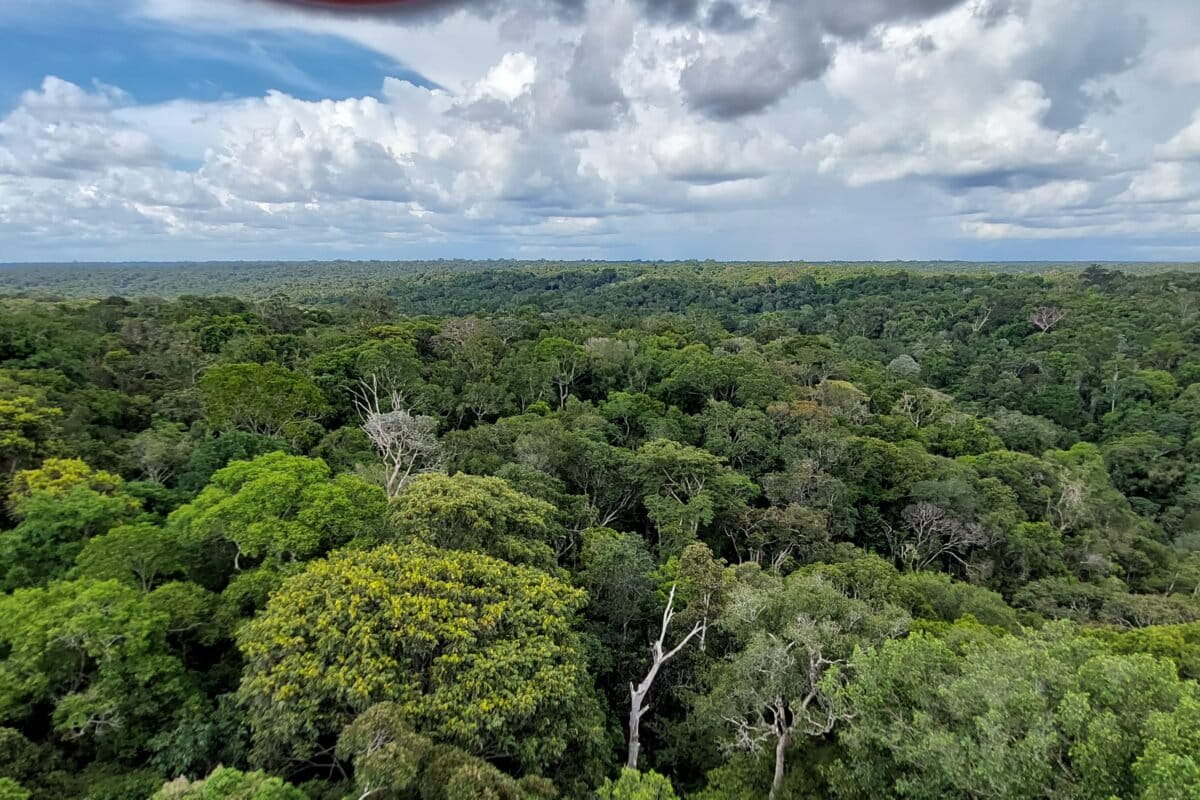
Imagine rivers flowing through the sky above the Amazon rainforest, carrying water vapor that provides rainfall for millions of people across South America.
Scientists call them "flying rivers," and a new conservation plan could protect these invisible atmospheric flows from disappearing. The rivers form when Amazon forests continuously recycle moisture into the air, creating water vapor that travels westward to bring rain to Peru and Bolivia.
The concept earned its name twenty years ago when Brazilian climatologist Carlos Nobre and fellow scientists recognized how the forest moves moisture from the Atlantic Ocean across the continent. Through a natural process called evapotranspiration, water moves from soil and plants into the atmosphere, recycling at least 75% of rainfall five or six times as it journeys toward the Andes Mountains.
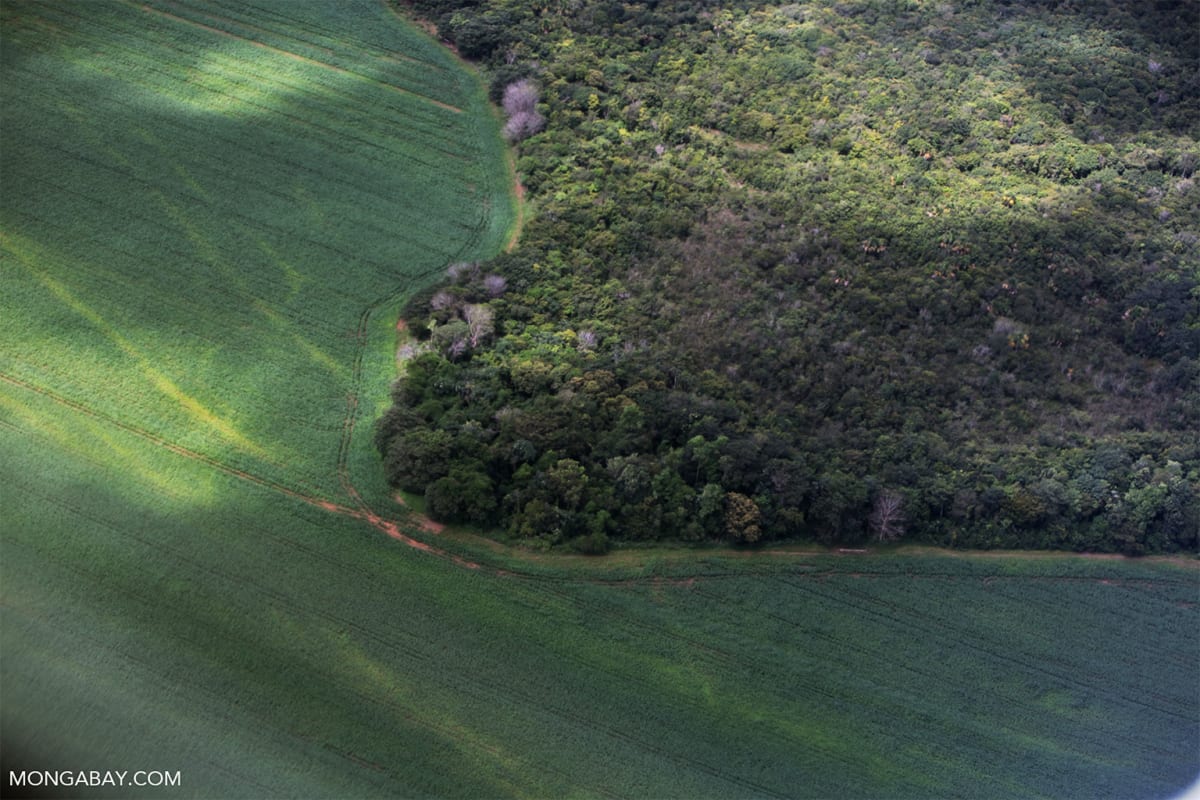
But deforestation in Brazil threatens to break this cycle. When forests become farmland or pastures, they recycle only a quarter of the water that intact forests do during dry seasons. One million square kilometers of cleared land in southern Amazon has already reduced the flying rivers' strength.
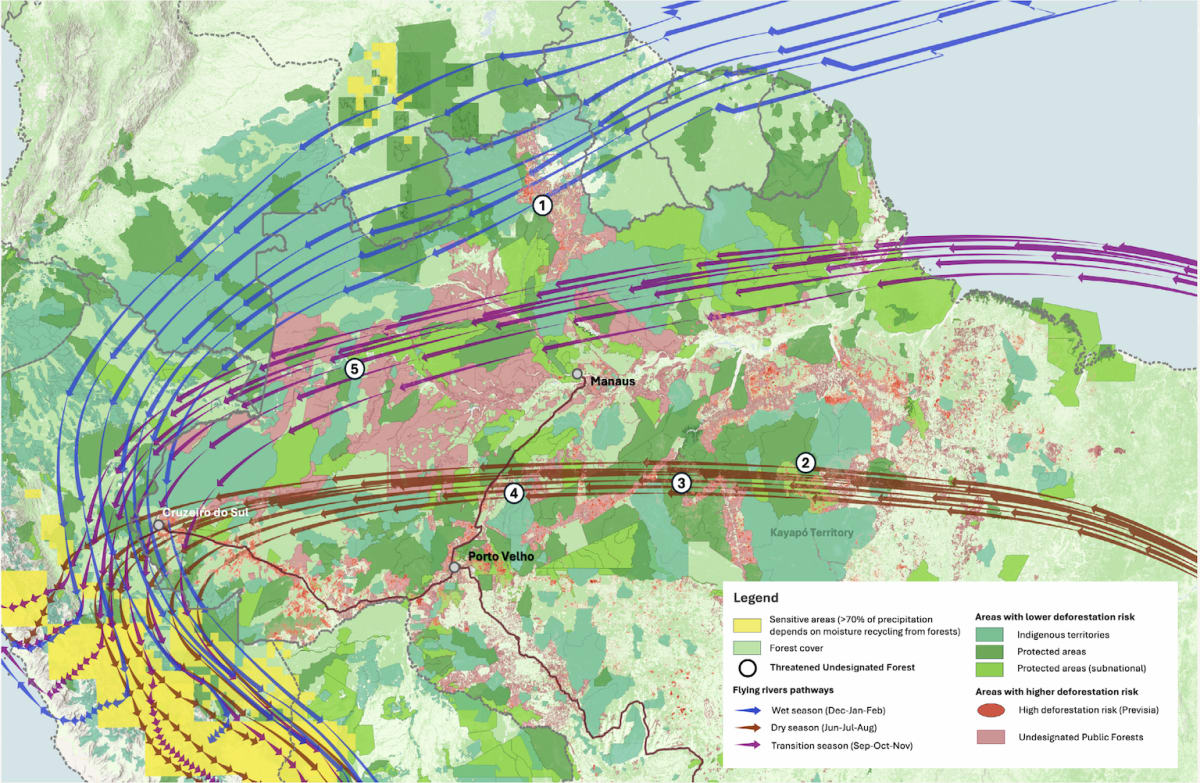
Amazon Conservation's new report identifies exactly which Brazilian forests matter most for keeping the moisture flowing. The organization mapped the rivers' pathways through wet, dry, and transition seasons, pinpointing vulnerable areas that need protection.
The dry season pathway faces the biggest threats. It crosses undesignated public forests, which are lands without formal protection that account for over 20% of Amazon deforestation. Road development projects, including the controversial BR-319 highway repaving, could trigger even more forest clearing through a "fishbone effect" where side roads branch off main routes.
The state of Acre emerged as especially critical because all three seasonal pathways converge there. It's also the last forested stretch before moisture reaches the most sensitive areas in the tropical Andes. Research shows vegetation in this central-western Amazon plays an outsized role in recycling moisture for regions farthest from the Atlantic Ocean.
The Ripple Effect
Protecting these specific forests could prevent a domino effect of climate disasters. If rainfall drops too much in southwestern Amazon regions, parts of the forest could hit a "tipping point" and transform into savanna grasslands. That shift would impact not just Brazil, but Peru and Bolivia too, where flying rivers provide the majority of precipitation for agriculture, drinking water, and ecosystems.
The report offers governments a roadmap for targeted conservation that protects the most important forests first. By focusing efforts on the flying rivers' pathways, especially through Acre and other western Amazon regions, Brazil can maintain rainfall for its neighbors while preserving its own forests.
Conservation groups are now working with Brazilian officials to strengthen protections for undesignated public forests and reconsider road projects that could disrupt the invisible rivers overhead.
One carefully protected forest corridor could keep the flying rivers flowing for generations.
More Images

Based on reporting by Mongabay
This story was written by BrightWire based on verified news reports.
Spread the positivity!
Share this good news with someone who needs it