Indonesia Protects 71 Million Acres of Indigenous Lands
Indigenous communities in Indonesia have quietly safeguarded 71.6 million acres of the country's richest ecosystems for generations. Now the government is creating a roadmap to officially recognize and protect their conservation efforts.
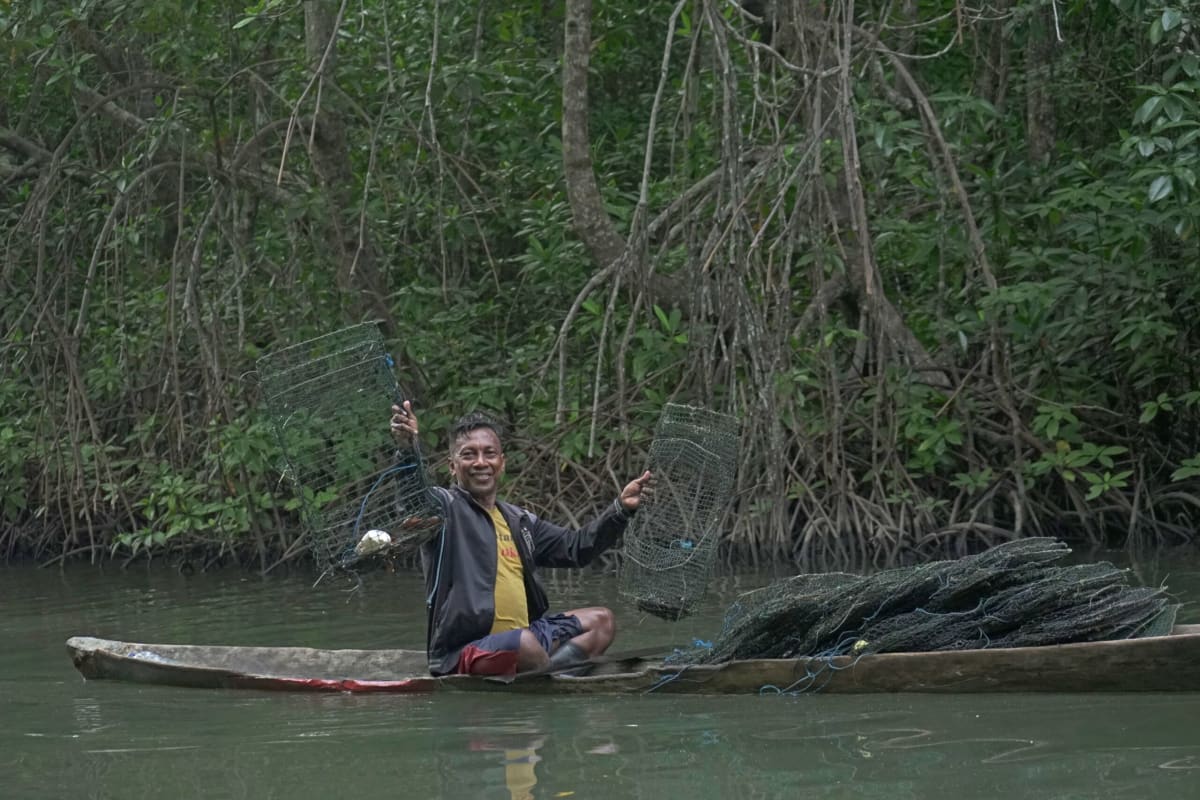
For generations, Indigenous communities across Indonesia have been nature's best protectors, safeguarding forests, coral reefs, and peatlands through traditional practices passed down for centuries. Now their work is finally getting the recognition it deserves.
The Indonesian government is developing a roadmap to protect Indigenous conservation knowledge, a major shift that could formally recognize the 50 to 70 million Indigenous people who've long served as stewards of the country's incredible biodiversity. The initiative aligns with global commitments to conserve 30% of the world's land and sea by 2030.
The numbers tell a powerful story. Indigenous peoples and local communities currently protect an estimated 29 million hectares, or 71.6 million acres, across Indonesia. Nearly 70% of these areas overlap with ecologically critical ecosystems like mangroves, natural forests, and coral reefs.
"Most of the success in protecting Indonesia's nature has actually come from the hands of those who live together with nature itself," said Cindy Julianty, executive coordinator of the Working Group on Indigenous Peoples' and Community Conserved Areas. Her organization has documented these community conservation efforts across the country.
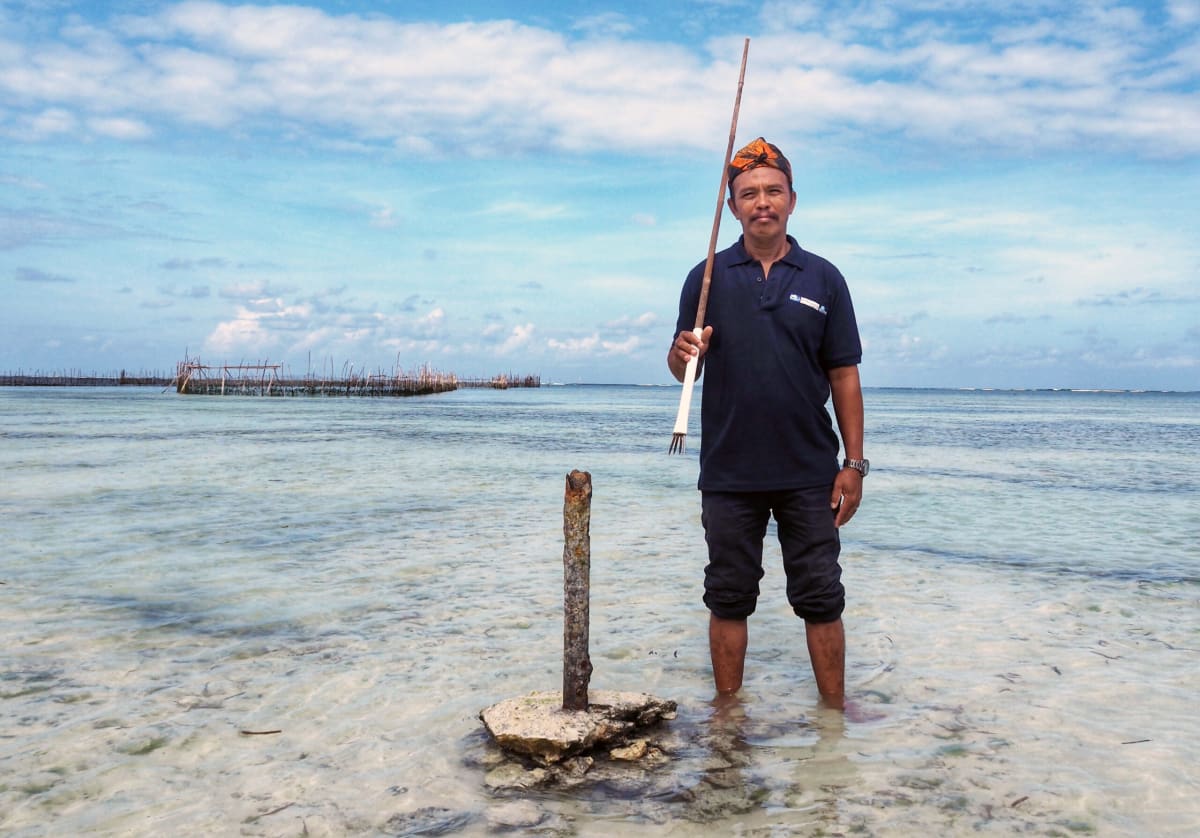
Traditional systems like sasi in Maluku temporarily close fishing areas to let them recover, while awig-awig in Bali includes customary village laws governing forests and water resources. These practices have protected ecosystems long before modern conservation models existed.
The challenge is that only about 1 million hectares have been formally documented and recognized. Without legal recognition, Indigenous communities risk having their conservation work ignored or even facing criminalization for practices that have protected nature for generations.
The Environment Ministry began drafting the roadmap in June 2024 as Indonesia's focal point for the Convention on Biological Diversity. "The CBD cannot address biodiversity solely from the perspective of science," said Inge Retnowati, the ministry's director of biodiversity conservation. "It must also incorporate social dimensions."
The Ripple Effect
This recognition could transform conservation across one of the world's most biodiverse countries. Indonesia harbors some of the planet's highest levels of species richness, from orangutans in Borneo to coral reefs in Raja Ampat.
When Indigenous knowledge gets formal recognition, it creates a model for conservation that respects both nature and the people who've protected it for generations. The roadmap aims to guide policies on recognizing and promoting traditional knowledge in biodiversity conservation.
The ministry emphasizes that developing this roadmap requires collaboration among government, Indigenous groups, experts, and civil society. It's about moving beyond viewing nature as something to exploit and recognizing the deep relationship between people and the ecosystems they've protected.
For Indonesia's Indigenous communities, this represents hope that their conservation legacy will finally receive the legal protection and respect it deserves.
More Images


Based on reporting by Mongabay
This story was written by BrightWire based on verified news reports.
Spread the positivity!
Share this good news with someone who needs it