$200M Lifeline for 100 Species on Edge of Extinction
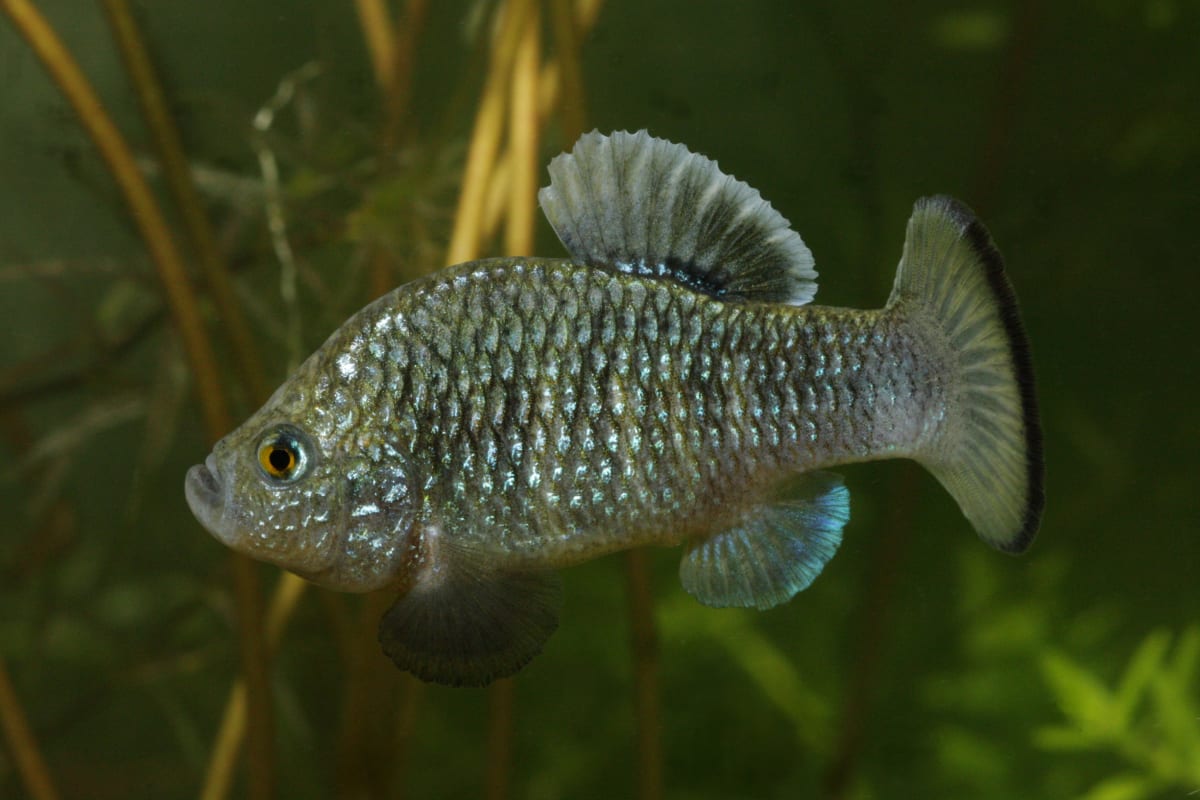
A tiny Mexican fish that vanished from the wild 27 years ago is getting a second chance. Thanks to a massive $200 million conservation project, it's one of 100 critically endangered species worldwide receiving dedicated funding to recover.
A tiny Mexican fish that vanished from the wild 27 years ago is getting a second chance at survival, and it's not alone.
The Phoenix Species Project launched this month with $200 million in funding to rescue 100 critically endangered and extinct-in-the-wild species across 30 countries. Environmental organizations Re:wild and the Bezos Earth Fund each committed $100 million to the ambitious five-year initiative.
Among the first seven species receiving funds is Mexico's Charco Azul pupfish, which went extinct in the wild in 1997 when its entire habitat dried up during a devastating drought. The fish has survived only in captivity ever since.
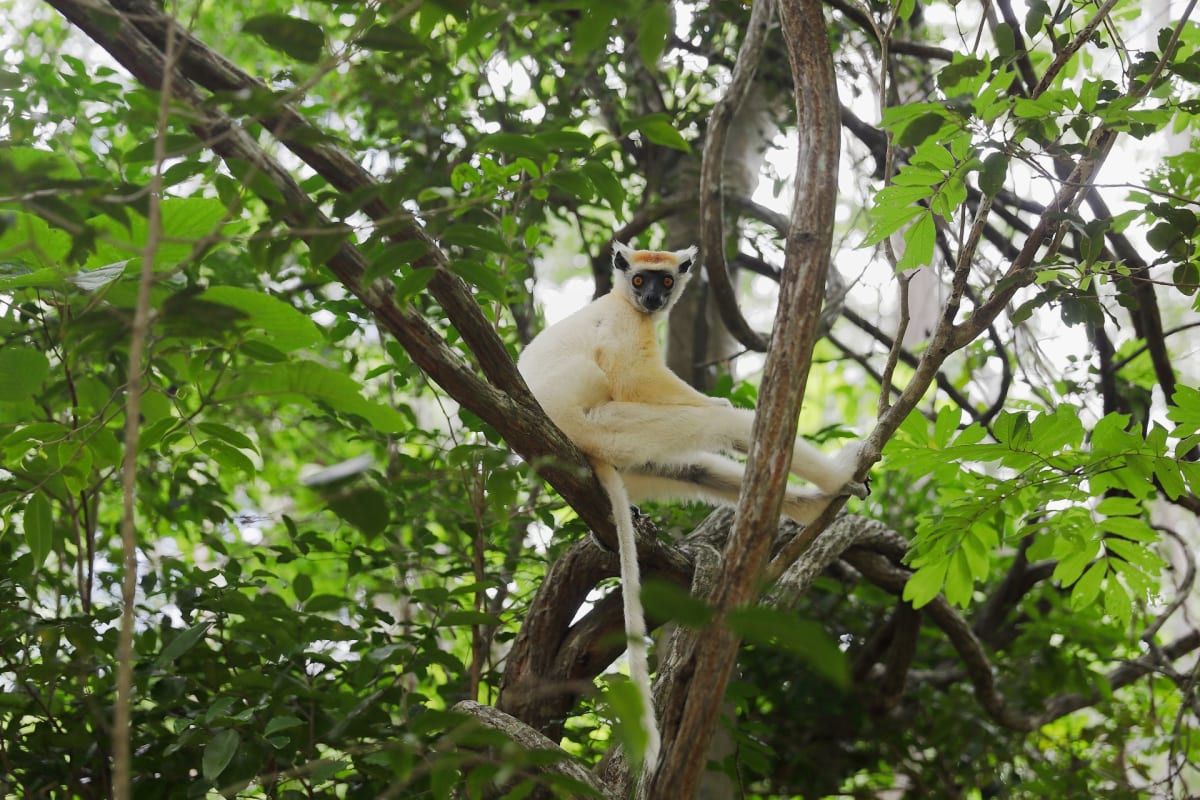
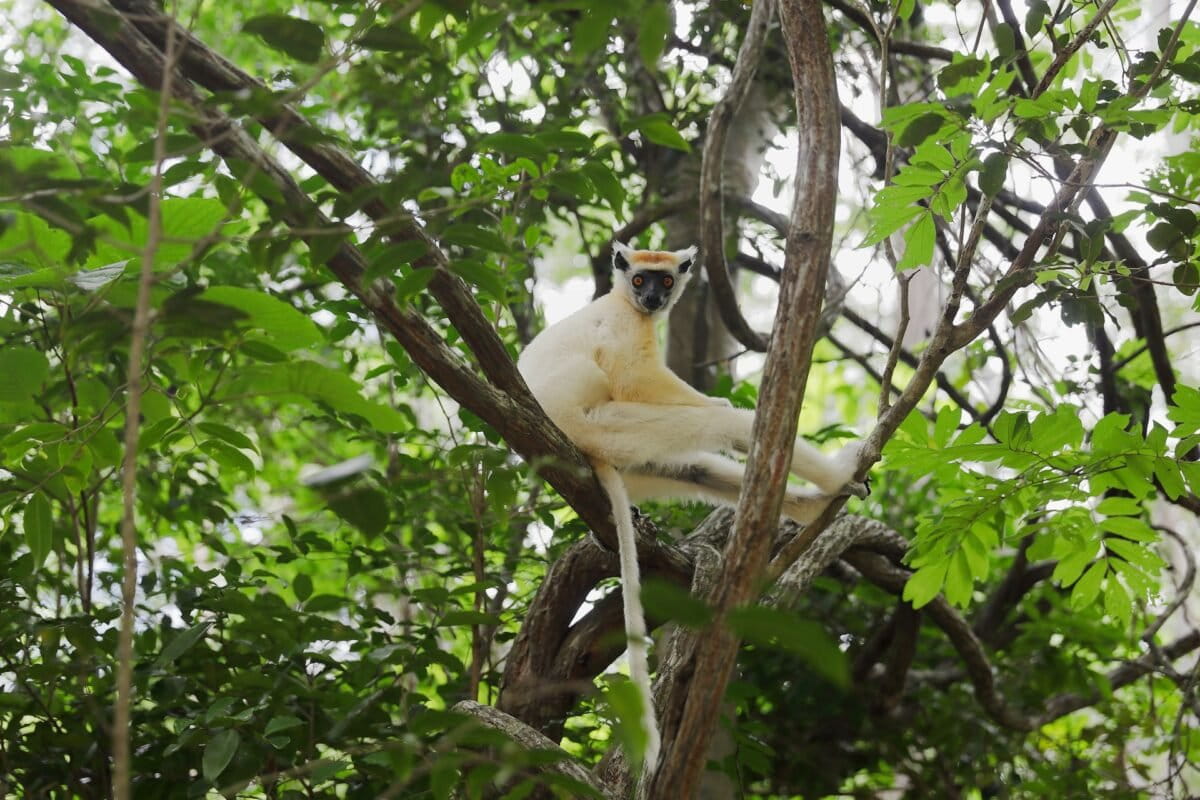
Madagascar's golden-crowned sifaka is also on the list. This critically endangered lemur has lost 80% of its population as rampant deforestation has shattered the forests it needs to survive. Local conservationists will use the new funding to reconnect fragmented forest patches.
"We've protected the golden-crowned sifaka for years on a budget that would never match what this species deserves, but letting it go extinct was never an option," said Tiana Andriamanana, executive director of Association Fanamby, the organization leading lemur conservation efforts.
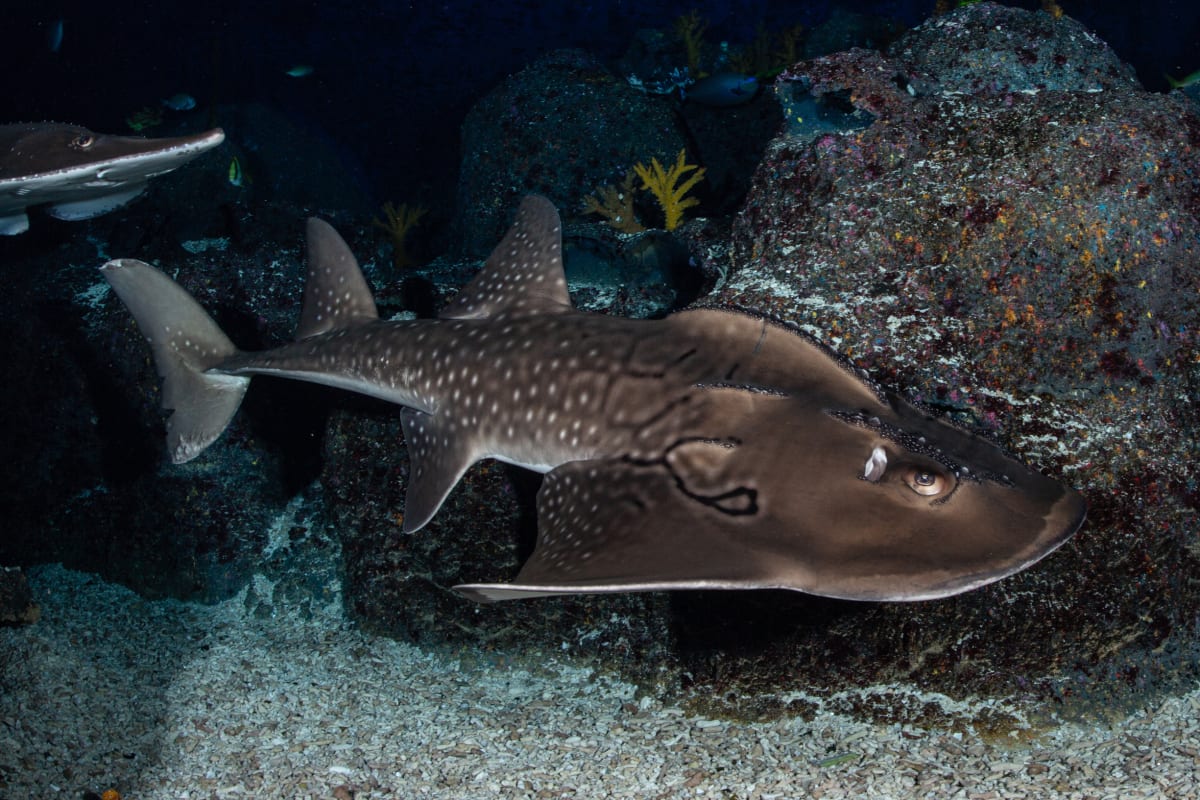
Each species will receive between $500,000 and $1 million over five years. Other recipients include the bowmouth guitarfish, the Galápagos petrel, Australia's elusive night parrot, and a South African plant called the fuzzy belly button.
The Ripple Effect
Saving these species does more than prevent extinctions. Every species plays a vital role in its wider ecological community, and recovering one can trigger benefits throughout an entire ecosystem.
Conservation scientist Leah Gerber from Arizona State University noted that while recovering one species doesn't automatically restore an entire ecosystem, the benefits often extend far beyond that single animal or plant. The context matters, but the potential for cascading positive effects is real.
Of the 176,000 species scientists have assessed worldwide, more than 31,000 are considered extinct in the wild, critically endangered, or endangered. That represents only 5% of all known species, meaning countless others remain unevaluated and potentially at risk.
What makes this project especially promising is its breadth. Rather than focusing only on pandas and tigers, the Phoenix Species Project spreads attention across fish, birds, reptiles, plants, and lesser-known creatures that rarely make headlines but are no less important to their ecosystems.
The remaining 93 species have already been chosen, with funding amounts to be finalized as conservation groups submit detailed proposals.
More Images

Based on reporting by Mongabay
This story was written by BrightWire based on verified news reports.
Spread the positivity!
Share this good news with someone who needs it