Indonesia Finds Islam Arrived 700 Years Earlier Than Thought
Archaeologists in Indonesia have uncovered evidence that Islam arrived in the region as early as the 7th or 8th century, potentially rewriting 700 years of history. The discovery at Bongal Site in North Sumatra challenges long-held beliefs about when Islamic civilization first took root in the world's largest Muslim-majority nation.
Archaeologists in Indonesia just pushed back the arrival of Islam in Southeast Asia by seven centuries, and the discovery could transform how we understand one of the world's most important religious migrations.
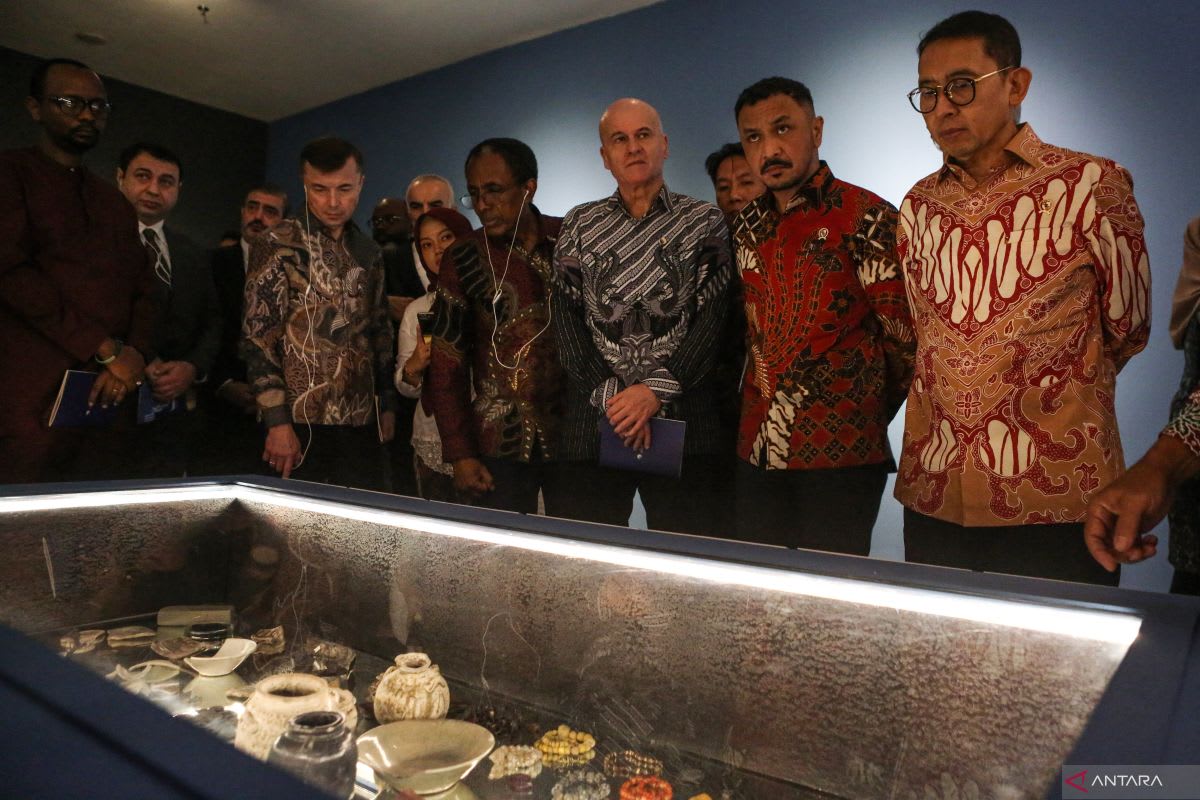
Indonesia's National Research and Innovation Agency (BRIN) announced findings from the Bongal Site in Central Tapanuli, North Sumatra that suggest Islam reached the archipelago as early as the 7th or 8th century. That's right when Islam itself was emerging in the Middle East, and it's a full 700 years earlier than historians previously believed.
For decades, scholars thought Islam only became established in Indonesia between the 13th and 15th centuries, when it emerged as a political force. But artifacts uncovered by BRIN's research team tell a different story about ordinary people practicing Islam centuries before royal courts adopted it.
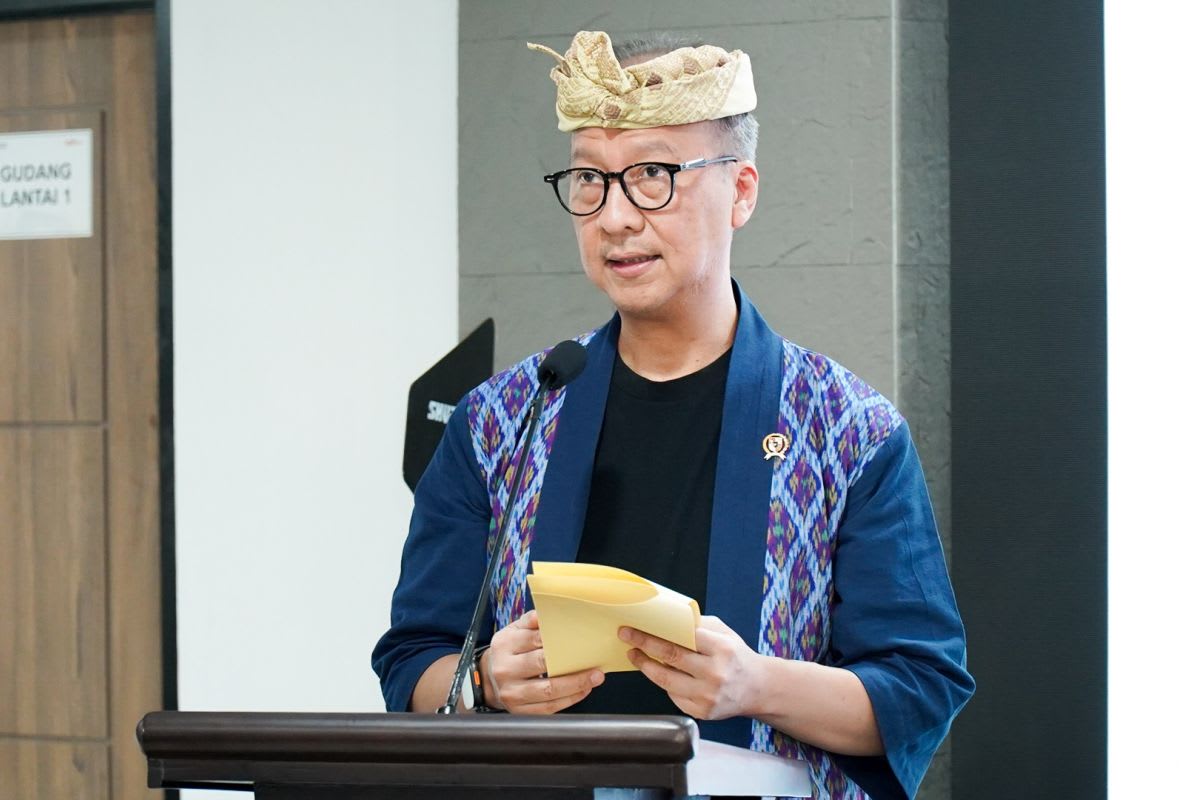
"This finding provides broader opportunities to test several hypotheses related to the archaeology of Islam at the grassroots level," explained Irfan Mahmud, head of BRIN's Research Center for Prehistoric and Historical Archaeology. The discovery opens a 700-year window into how everyday Muslims lived, worshipped, and built communities long before history books acknowledged their presence.
The Ripple Effect spreads far beyond academic circles. This finding shifts the lens from palace politics to the daily lives of common people who carried their faith across oceans and mountains. It reminds us that history is often written by those in power, but the real story belongs to ordinary believers who lived it.
The discovery has sparked healthy debate among scientists and academics, which BRIN leaders welcome as part of the scientific process. "In the world of research, debate is not an issue, provided it is grounded in evidence," said Hery Yogaswara, head of BRIN's Archaeology, Language, and Literature Research Organization.
BRIN now plans large-scale research along Sumatra's west coast and may establish a permanent field station in the Bongal area for long-term study. The team believes many similar sites remain undiscovered, each holding pieces of a puzzle that could reveal how Islam spread peacefully through trade and community rather than conquest alone.
Indonesia is home to the world's largest Muslim population today, and these findings add depth to that remarkable legacy by pushing its roots back nearly to Islam's very beginning.
Based on reporting by Google: archaeological discovery
This story was written by BrightWire based on verified news reports.
Spread the positivity!
Share this good news with someone who needs it