Scientists Unlock 2,000-Year-Old Scrolls Buried by Vesuvius
Researchers created charred replica scrolls to crack the code on reading ancient texts from Herculaneum, buried when Mount Vesuvius erupted in 79 AD. This breakthrough could finally reveal hundreds of priceless philosophical writings that have been unreadable for centuries.
Scientists just figured out how to read scrolls that have been locked away for two millennia, and the key was setting modern papyrus on fire.
When Mount Vesuvius erupted in 79 AD, it didn't just destroy Pompeii. The blast also buried Herculaneum, a wealthy Roman town that held a precious library of more than 600 scrolls. The scrolls were so badly charred by volcanic gas that simply touching them could turn them to dust.
For decades, researchers at the University of Kentucky have been working on "virtually unrolling" these fragile texts using advanced scanning technology. But there was a massive problem: the ancient scribes used carbon-based ink that barely shows up differently from the charred papyrus itself in X-ray scans.
Then retired inventor Douglas Seiler heard about the challenge and had an idea. In 2016, scientists discovered traces of lead in two scroll fragments, suggesting some texts might have been written with lead-based ink. Seiler assembled a team to figure out which scrolls contained lead and would be easiest to read.
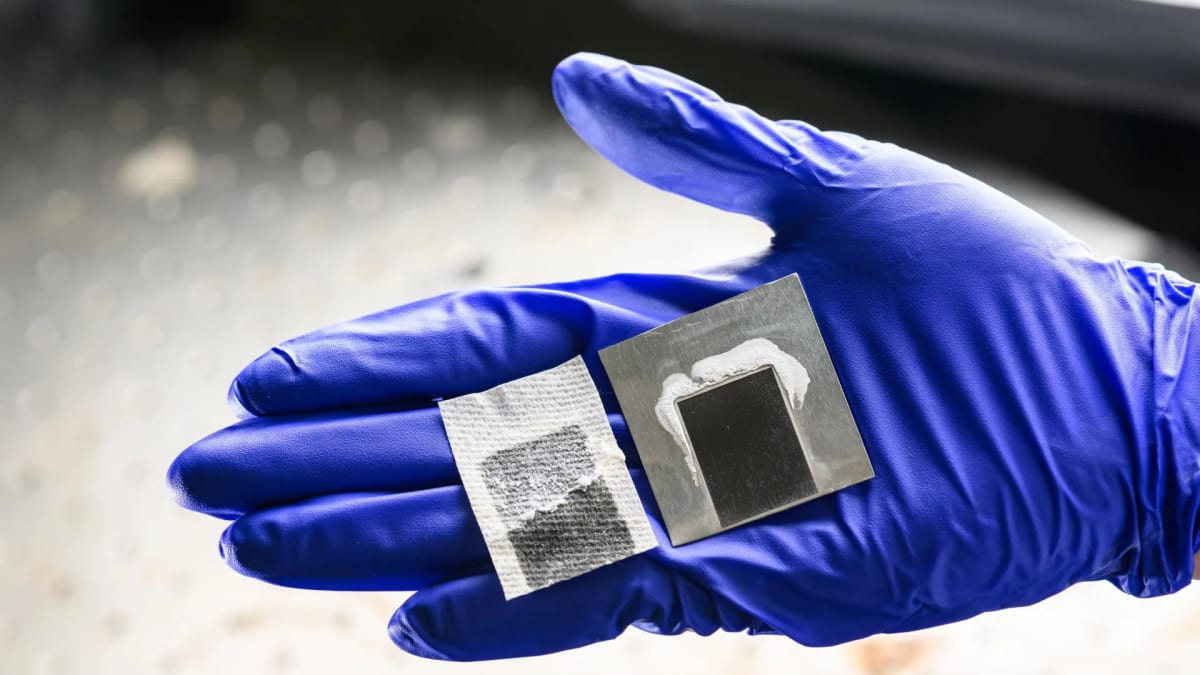
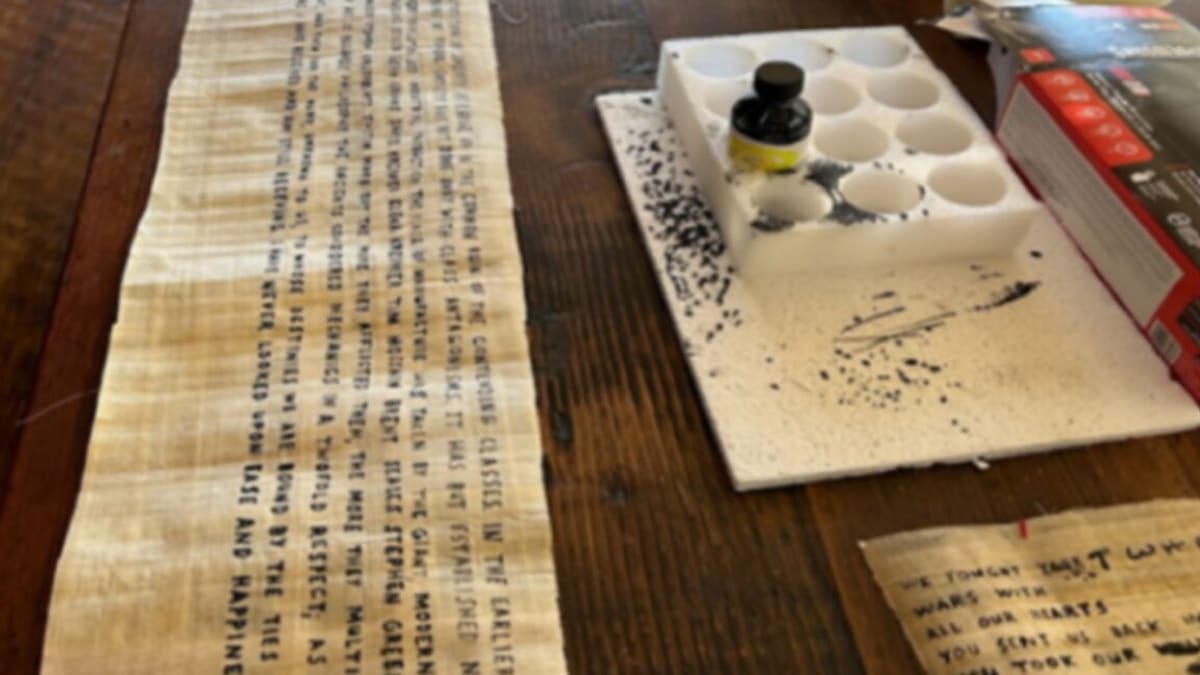
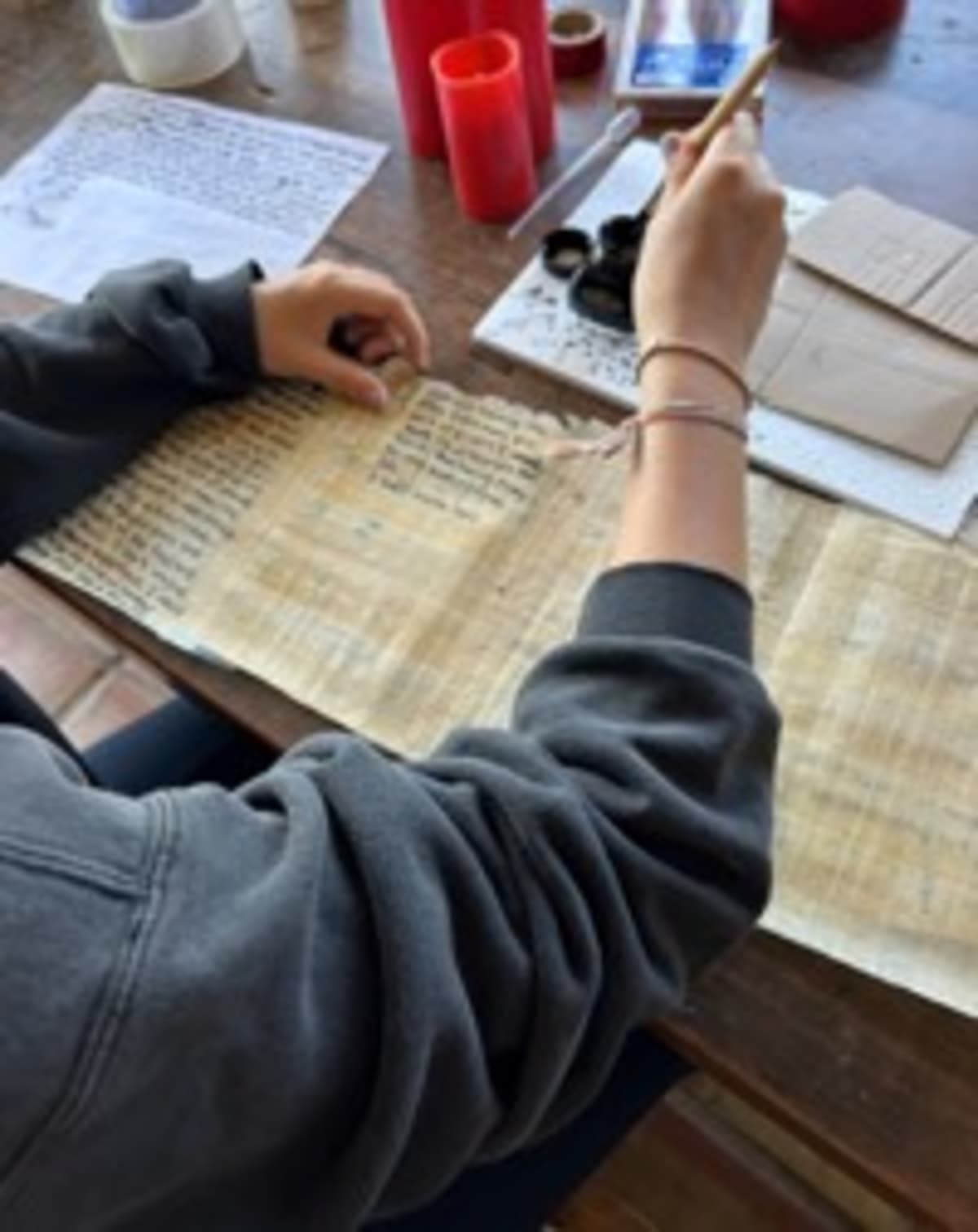
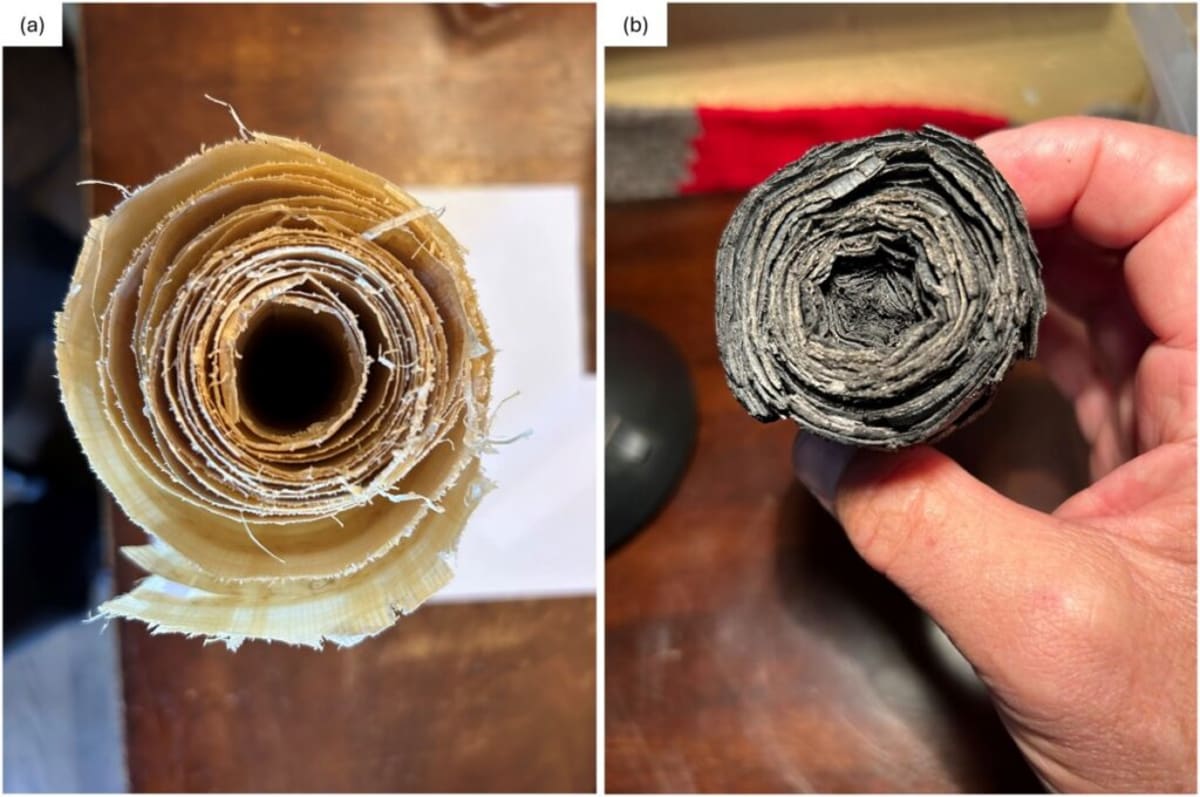
The team bought modern Egyptian papyrus and traditional Japanese ink, then added different amounts of lead. High school students helped inscribe the papyri with quotes from the Bible, Star Wars, and classic TV shows using reed styluses. Then came the wild part: they carbonized the scrolls in a high-temperature furnace to perfectly mimic the originals.
When physicist Jake LaManna created 3D X-ray scans of the charred test scrolls, the results were stunning. "The letters lit up like a Christmas tree," Seiler said. A software program originally designed to unroll scans of lithium-ion batteries successfully unwrapped the model scrolls and revealed the hidden text.
The Ripple Effect
This validation method gives researchers a reliable way to screen hundreds of Herculaneum scrolls and identify the best candidates for digital unwrapping. The scrolls likely contain lost works by ancient philosophers like Epicurus and Philodemus, offering a window into Roman intellectual life that scholars have dreamed of accessing for 300 years since the scrolls were first excavated.
The breakthrough also strengthens the Vesuvius Challenge, an ongoing crowdsourced project combining digital unwrapping with machine learning. The challenge has already awarded its $700,000 grand prize for producing the first readable text from the scrolls.
Each successfully decoded scroll could reveal philosophical texts, scientific knowledge, or literary works completely lost to history, fundamentally changing our understanding of the ancient world.
After two thousand years of silence, these scrolls are finally ready to speak again.
More Images


Based on reporting by Ars Technica Science
This story was written by BrightWire based on verified news reports.
Spread the positivity!
Share this good news with someone who needs it