Indonesian Divers Return to Ancient Methods, Save Lives
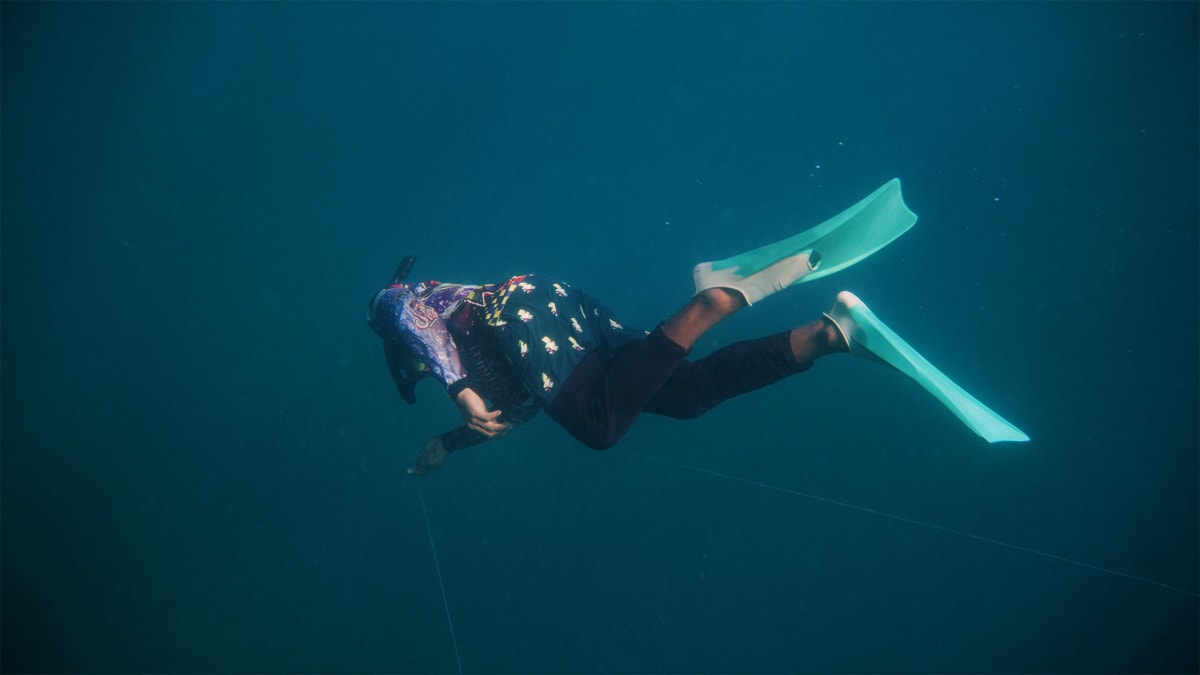
Forty Indonesian fishermen are ditching dangerous compressor diving and returning to traditional freediving techniques passed down through generations. Their shift is protecting both their health and the ocean while preserving centuries-old Bajau culture.
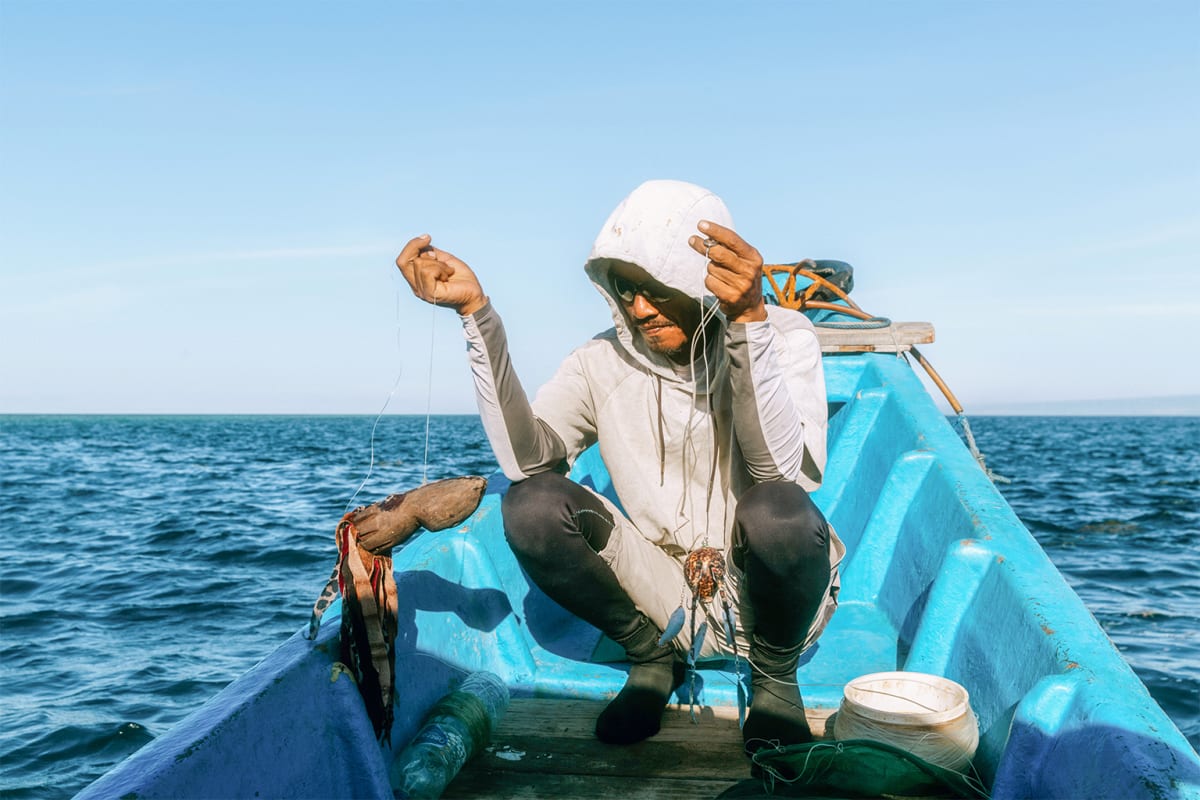
Mahari sits at the front of his boat, watching the waters off Sumbawa Island, deciding how his crew will fish today. As leader of this group of Bajau octopus fishers, he's teaching skills his people have used for centuries—skills that are saving lives.
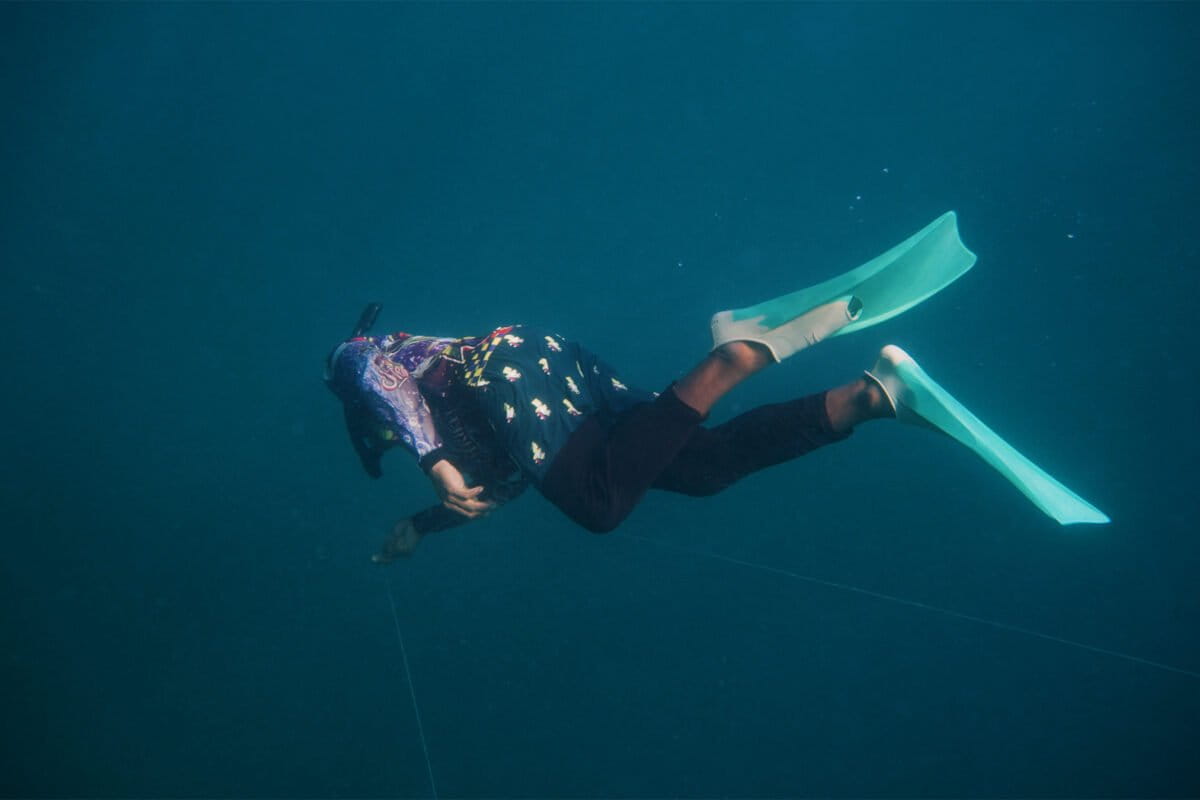
The Bajau people have freedived for food across Indonesia, Malaysia, and the Philippines for generations. They can read stars for navigation, hold their breath for minutes at depth, and spot octopus hiding in reef crevices 65 feet below the surface.
But in recent years, many Bajau fishers switched to compressor diving, a dangerous shortcut that pumps surface air through long hoses. It lets them stay underwater longer and catch more to feed their families. The trade-off has been brutal: decompression sickness, paralysis, chronic disabilities, and death.
Now 40 fishermen are choosing differently. After Indonesia's West Nusa Tenggara province banned compressor diving, these men partnered with the Jari Foundation to form PELITA, the Octopus Fishermen Brotherhood.
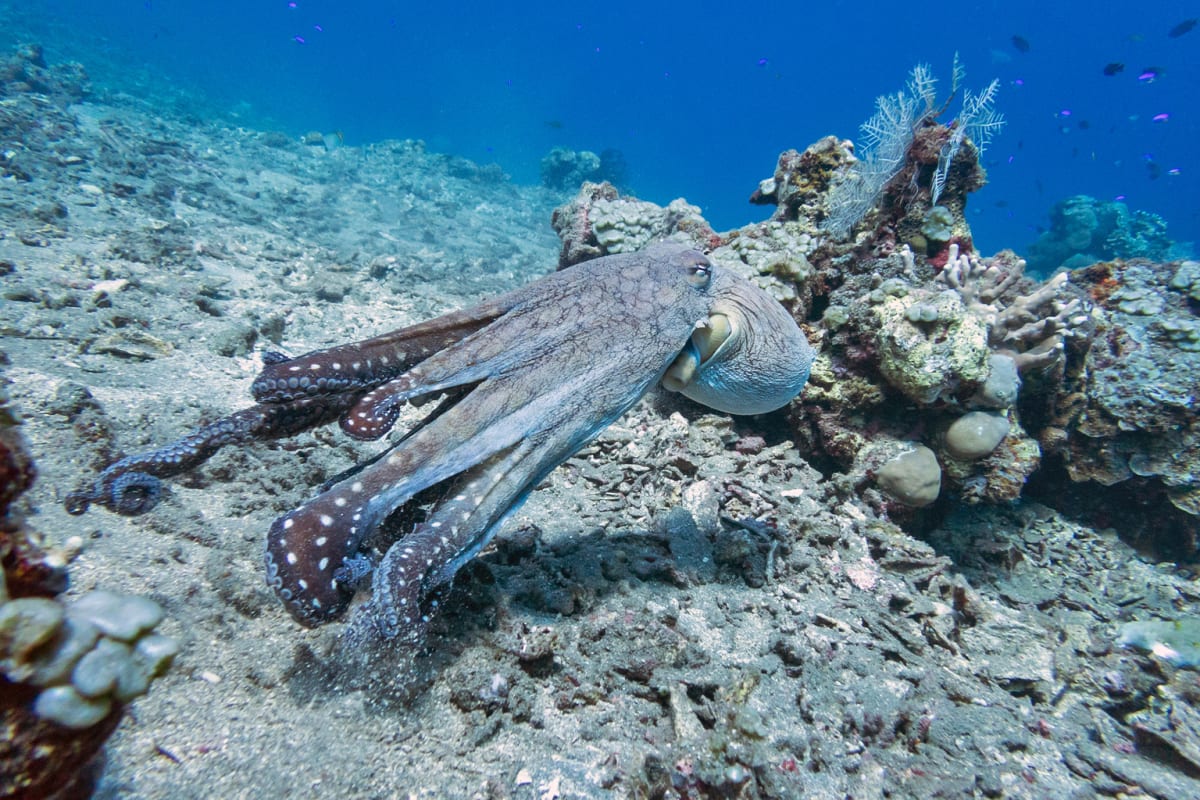
They're going back to the pocong. This wooden decoy, shaped like an octopus with felt strips mimicking tentacles, requires incredible skill to use. Divers must freedive to 65 feet, dangle the fake octopus near the reef, and spear or grab the real one when it investigates. If the octopus touches the pocong, it knows the trick and flees.
"Only 10 people in our community can use the pocong," one fisher explains. "You need strength and skill."
Mahari's eyes light up when he talks about his earliest ocean memories. "As a Bajau, we know how to dive for as long as we can remember." Fellow fisher Nadir adds that Bajau babies visit the sea one week after birth.
Hani Nusantari runs Jari Foundation with her husband. She says the fishermen recognized the long-term health impacts and chose to return to traditional methods while also joining marine conservation work and ecotourism projects.
The Ripple Effect
This shift reaches far beyond individual health. Traditional freediving is gentler on reef ecosystems than compressor diving, which often leads to overfishing as divers can stay down longer. The fishermen are also teaching younger generations these nearly lost skills, ensuring Bajau knowledge survives.
The partnership between traditional fishers and conservationists is creating a model where cultural preservation, human health, and ocean protection work together instead of competing. What started as a safety decision is becoming a blueprint for sustainable fishing.
Forty families now have providers who come home healthy, carrying forward traditions their ancestors perfected over centuries.
More Images
Based on reporting by Mongabay
This story was written by BrightWire based on verified news reports.
Spread the positivity!
Share this good news with someone who needs it