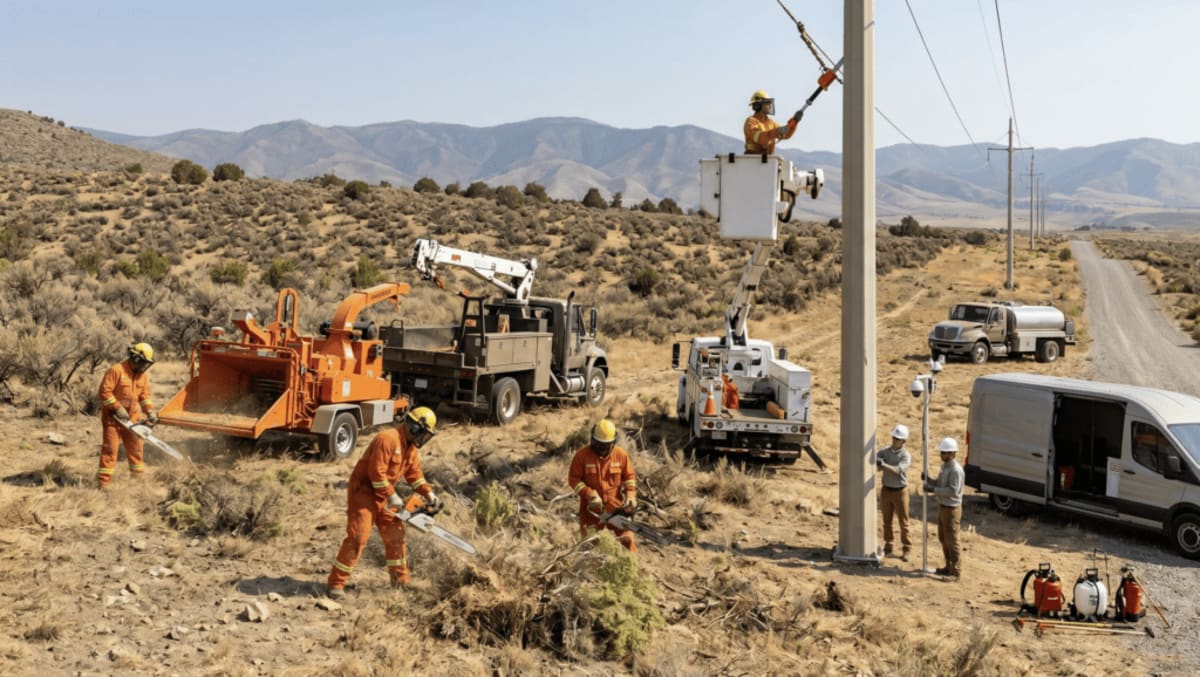
New Wildfire Tech Framework Helps Utilities Stop Fires
Electric utilities now have a comprehensive roadmap to prevent devastating wildfires using cutting-edge detection and monitoring technology. The breakthrough framework connects existing tools into one coordinated system that can save communities before disaster strikes. #
Imagine knowing exactly where a wildfire might start before the first spark ignites. Thanks to a new technology framework developed by energy experts, that future is becoming reality for electric utilities across America.
The Smart Energy Power Alliance (SEPA) just released the first comprehensive guide helping power companies stop wildfires before they start. Working with five leading technology companies, they created a system that connects satellite monitoring, AI-powered cameras, weather forecasting, and vegetation tracking into one powerful prevention tool.
The timing couldn't be better. Wildfires are no longer just a Western problem. Communities from Texas to the Midwest now face wildfire threats, driven by drier conditions and longer fire seasons. When power lines spark fires, the damage reaches far beyond burned acres. Lives are lost, homes disappear, and entire communities face years of recovery.
For decades, utilities managed wildfire risk the old way: trimming trees on set schedules and replacing equipment based on age alone. That approach worked when fire seasons were predictable and threats stayed regional. Climate shifts changed everything, pushing high-risk fire behavior into areas that rarely saw flames before.
The good news is that amazing technology already exists to fight this threat. Companies can now map vegetation down to individual power lines, assess equipment condition in real time, model how fires might spread under specific weather conditions, and detect smoke within minutes of ignition. The missing piece was getting all these tools to work together.
That's exactly what this framework solves. It organizes wildfire prevention into six clear stages, from long-term planning through emergency response to post-fire learning. Each stage answers specific questions utility teams face: Where should we invest? When do we shut off power? How do we respond faster?
The Ripple Effect
This framework means more than just prevented fires. It gives utility workers clear guidance during the high-pressure moments when every second counts. It helps regulators understand why certain investments matter. It builds trust with communities worried about safety and power shutoffs.
The framework also makes technology investments smarter. Many utilities bought several monitoring systems but struggled because the data didn't connect. Now they have a roadmap showing how each tool fits together, creating a complete picture of wildfire risk that flows from planning rooms to control centers to emergency responders.
Partnerships made this breakthrough possible. Technology providers Overstory, eSmart Systems, Pano AI, Rhizome, and Technosylva worked alongside utility experts and regulatory advisors to build something grounded in real-world experience. They designed it for the messy reality utilities face: simultaneous pressure from regulators, insurers, customers, and threatened communities.
The framework is already helping utilities move from scattered pilot programs to coordinated wildfire defense systems. As fire seasons grow longer and more unpredictable, this kind of integration could protect thousands of communities that never had to worry about wildfires before.
Communities from Paradise to Los Angeles learned how quickly everything can change when wildfire strikes. Now utilities have the tools and the roadmap to stop those tragedies before they start.
#
Based on reporting by Renewable Energy World
This story was written by BrightWire based on verified news reports.
Spread the positivity!
Share this good news with someone who needs it