Botox Cuts Migraines in Half for 1 in 3 Kids in New Study
A breakthrough study shows that Botox injections significantly reduced chronic migraines in children and teens, offering hope where treatment options have been scarce. One in three young patients experienced at least 50% fewer headache days after just two treatments.
Children who suffer from chronic migraines finally have promising evidence that a treatment commonly used in adults can transform their lives too.
Researchers at Children's National Hospital in Washington, D.C., tracked 45 young patients aged 12 to 22 who received Botox injections for chronic migraine. The results showed that one in three patients who completed two treatment rounds cut their headache days in half.
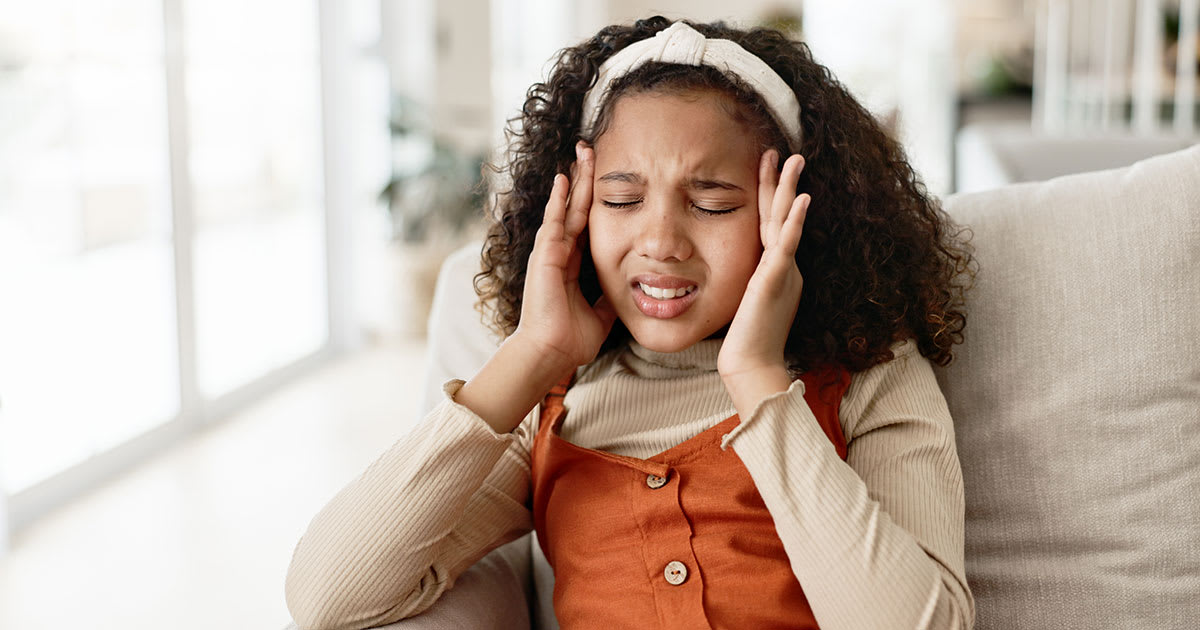
The stakes are high for these young patients. Chronic migraine means 15 or more headache days each month, disrupting school, friendships, and normal teenage life at a critical time in their development.
Dr. Jeffrey Strelzik, who directs the Headache Injection Program at Children's National, says the findings fill an important gap. While Botox has been FDA-approved for adult chronic migraine since 2010, it hasn't been approved for children due to limited data in younger populations.
That lack of approval creates a frustrating cycle for families. Insurance companies often deny coverage without FDA approval, leaving desperate parents struggling to access treatment that could help their kids.
The study tracked patients carefully using standardized headache diaries and disability assessments. After just one treatment session, 27% of patients experienced a greater than 50% reduction in headache days. For those who stuck with a second treatment, that success rate climbed to 33%.
Even more encouraging, the treatment helped patients with the most severe cases. Among children who experienced daily chronic migraines, 22% still achieved at least a 50% reduction in headache frequency after one treatment.
Beyond counting headache days, researchers measured something equally important: quality of life. Using the Headache Impact Test, they found significant improvements in how headaches affected daily activities, suggesting kids could return to school, sports, and social lives more fully.
The Ripple Effect
When a child suffers from chronic pain, the entire family feels the impact. Parents miss work for medical appointments and sick days. Siblings lose attention as parents focus on the struggling child. Academic performance drops, potentially affecting future opportunities.
By demonstrating real effectiveness in young patients, this research could change insurance policies and treatment guidelines nationwide. Children's National already performs more than 200 Botox procedures annually and offers access to emerging therapies through clinical trials.
The researchers emphasize that more studies will help identify which patients benefit most and build the evidence needed to improve access. But for families watching their children lose precious years to chronic pain, this study offers something invaluable: documented hope that better days are possible.
More Images



Based on reporting by Google News - New Treatment
This story was written by BrightWire based on verified news reports.
Spread the positivity!
Share this good news with someone who needs it