Botswana Herders Save Lions, Boost Population 50%
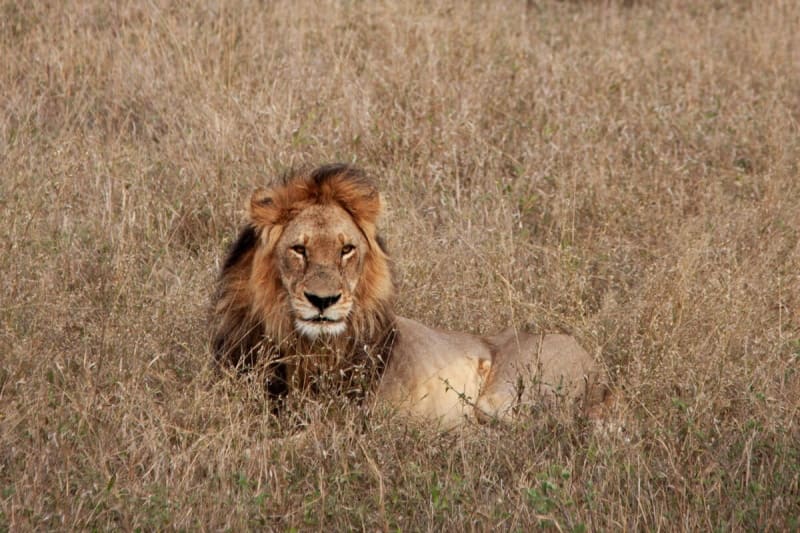
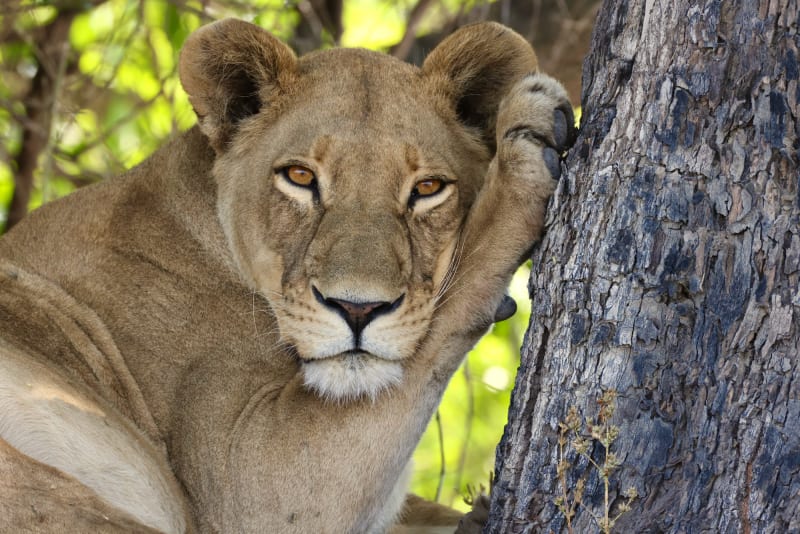
By bringing back traditional cattle herding practices, northern Botswana has cut livestock losses and stopped revenge killings that once wiped out half the region's lions in a single year. Now lion cubs are thriving and the population has jumped 50% in four years.
In 2013, northern Botswana lost more than half its lions in twelve months. Desperate farmers were poisoning the big cats after watching them feast on unguarded cattle left to graze near the Okavango Delta.
Today, those same communities are celebrating a lion comeback. The population has rebounded 50% in just four years, and farmers are losing far fewer cattle to attacks.
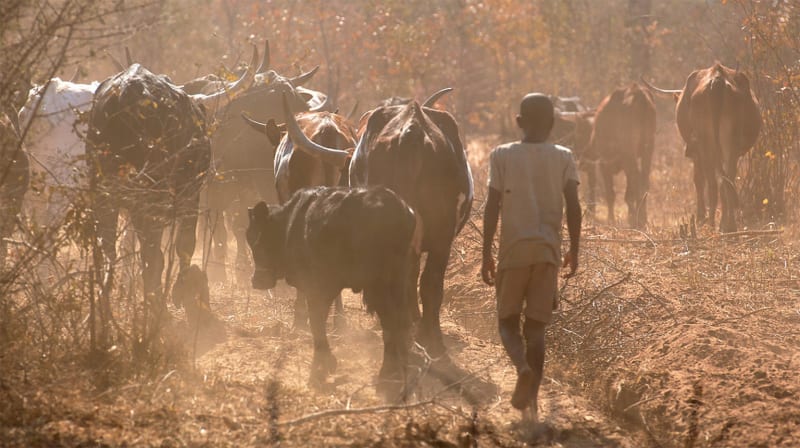
The turnaround started when conservationists realized something important had been lost. For generations, young boys carefully herded cattle by hand, keeping lions at bay. But as more children went to school, herds were left unattended and conflicts skyrocketed.
Andrew Stein founded Communities Living Sustainably Among Wildlife (CLAWS) to help restore what worked. His team introduced the Lion Alert System, fitting big cats with GPS collars that send automatic texts to farmers when a lion approaches their livestock.
The warnings give herders time to gather animals into safe enclosures before attacks happen. CLAWS also asked villages to name the lions in their Indigenous languages, building connection instead of fear.
Some names honored the animals, like Mayenga meaning "the one decorated by the Gods." Others reflected frustration, like Kufakuduze: "If you come for my cattle, I will find you." But many chose names like Shedipatera, "the one who belongs to us."
Jack Ramsden, who grew up in the region, now coordinates a herding program that trains full-time herders across three villages. These professionals manage communal cattle herds day and night, using traditional methods and rotational grazing to protect both livestock and lions.
At night, mobile canvas enclosures keep cattle hidden from view. Lions can smell and hear the animals but won't attack what they can't see, Stein explains.
The Ripple Effect
The success is opening doors beyond lion conservation. Wildlife experts say these restored herding practices could reopen ancient migration routes for wildebeest, zebra, and other species across the region.
If the program continues expanding, Botswana officials are considering removing veterinary fences that have blocked wildlife corridors for decades. The change could benefit the entire Kavango-Zambezi Transfrontier Conservation Area, where one of Africa's last large lion populations still roams across five countries.
With fewer than 25,000 lions left continent-wide, this model proves communities and big cats can thrive together when old wisdom meets new technology.
More Images


Based on reporting by Mongabay
This story was written by BrightWire based on verified news reports.
Spread the positivity!
Share this good news with someone who needs it